productlist

mnco3: Manganese Carbonate for Industrial Buyers

mnco3

A request for mnco3 can mean different things to different purchasing teams. A materials buyer may need a manganese source for further chemical processing, while a formulator may be checking whether a carbonate is suitable for a particular production route. In both cases, the chemical name is only a starting point. MnCO3 is manganese(II) carbonate, a manganese compound whose suitability depends on the intended process and the properties of the material actually supplied. QingChong New Materials is a Chinese manganese chemical manufacturer integrating research and development, production, and sales. Its background makes it a relevant company to contact when discussing manganese chemical requirements, but the information provided here does not establish that a particular MnCO3 grade is available. Buyers should therefore avoid treating this page as a product specification. Before planning a trial or placing an order, confirm availability, the proposed grade, documented composition, and the form needed for your process. Sharing the intended use and receiving conditions at the outset will make that discussion more useful than requesting mnco3 by formula alone.

Technical Detail

Configured around process stability, mold life, and long-term uptime.

For buyers comparing manganese inputs, the distinction between mnco3 and manganese dioxide begins with chemistry rather than a claim that one is universally better. MnCO3 is manganese(II) carbonate; manganese dioxide is MnO2, an oxide with manganese in a different oxidation state. A process designed around one compound should not assume the other can be substituted without reviewing its chemistry and operating steps. Carbonate behavior matters where acid treatment or thermal processing is involved, since those conditions can release carbon dioxide. Whether that behavior is useful depends on the process, not on the formula appearing in a catalog. QingChong New Materials describes itself as a manufacturer integrating research and development, production, and sales of manganese chemicals. The company is based in the Xiangtan manganese mining area and reports more than 20 years of industry experience. It also reports a strict quality control system and ISO9001:2008 quality management system certification obtained in July 2010. These are company-level details, not evidence of an MnCO3 assay, particle size, impurity limit, or product-specific certification. No MnCO3 product specification has been supplied for this page. If your existing process uses an oxide and you are considering a carbonate instead, ask first whether QingChong offers MnCO3. If it does, request the applicable documentation and assess the proposed material against your process requirements before drawing conclusions about interchangeability.

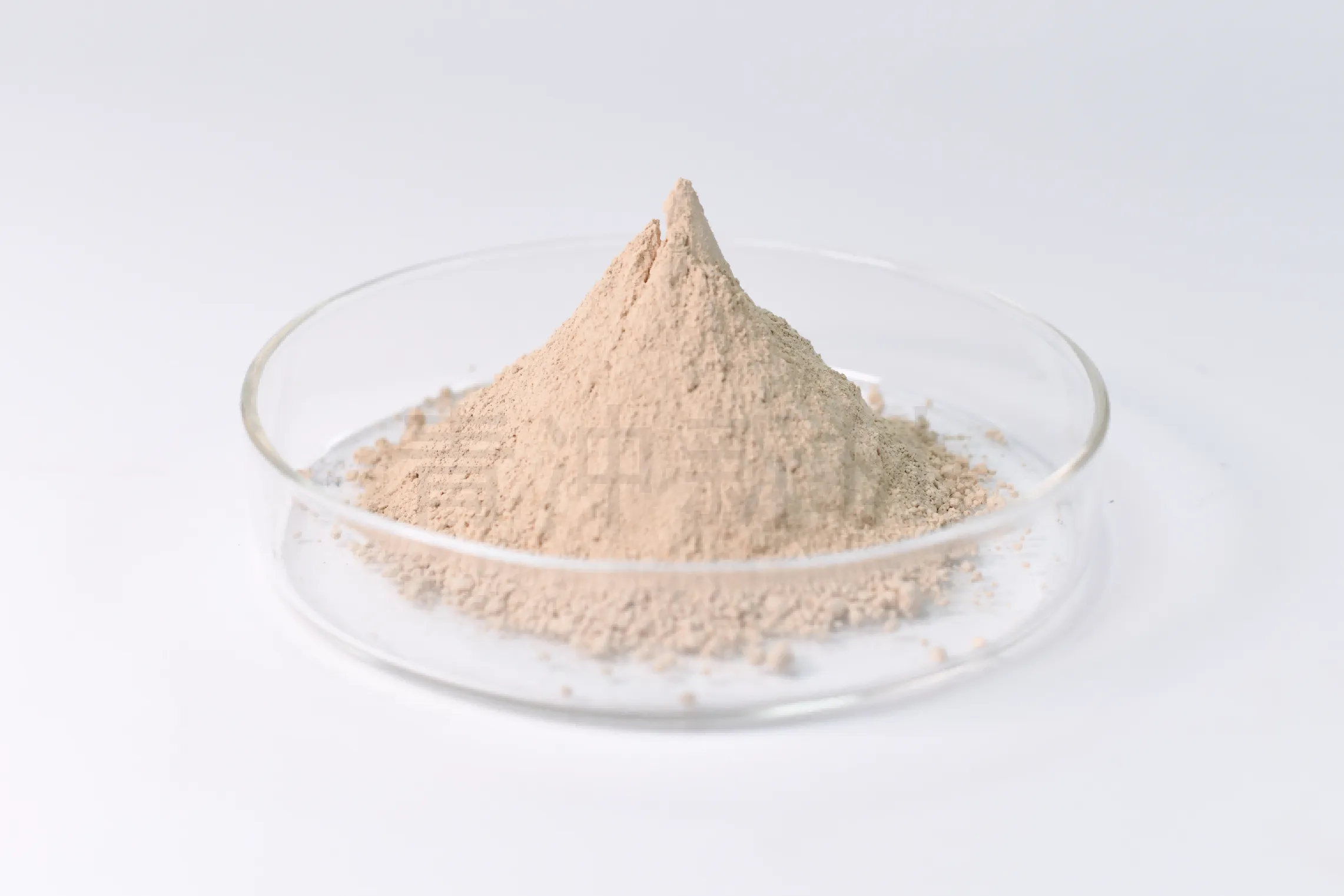
Manganese Carbonate (MnCO₃)

What the MnCO3 Formula Tells You

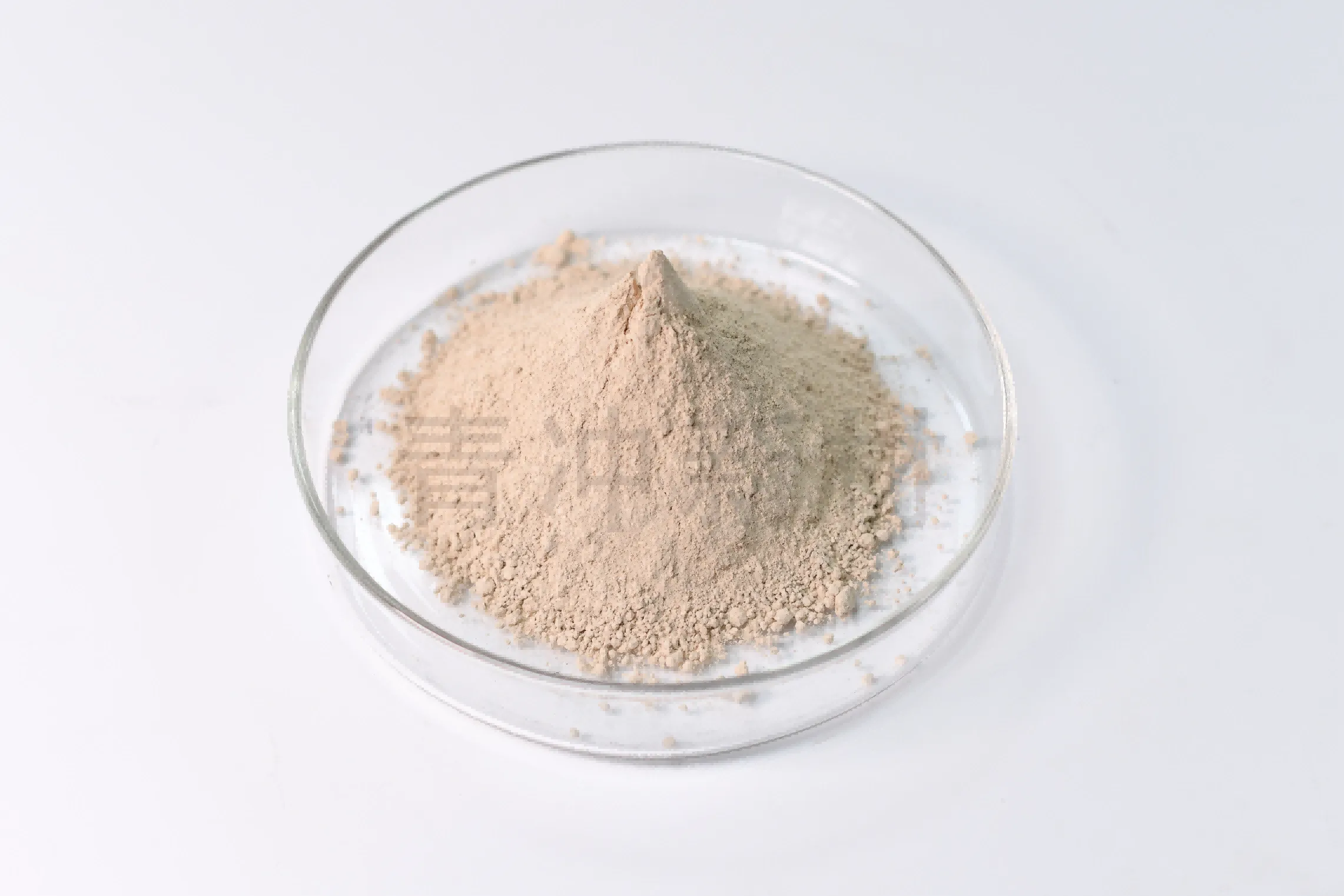
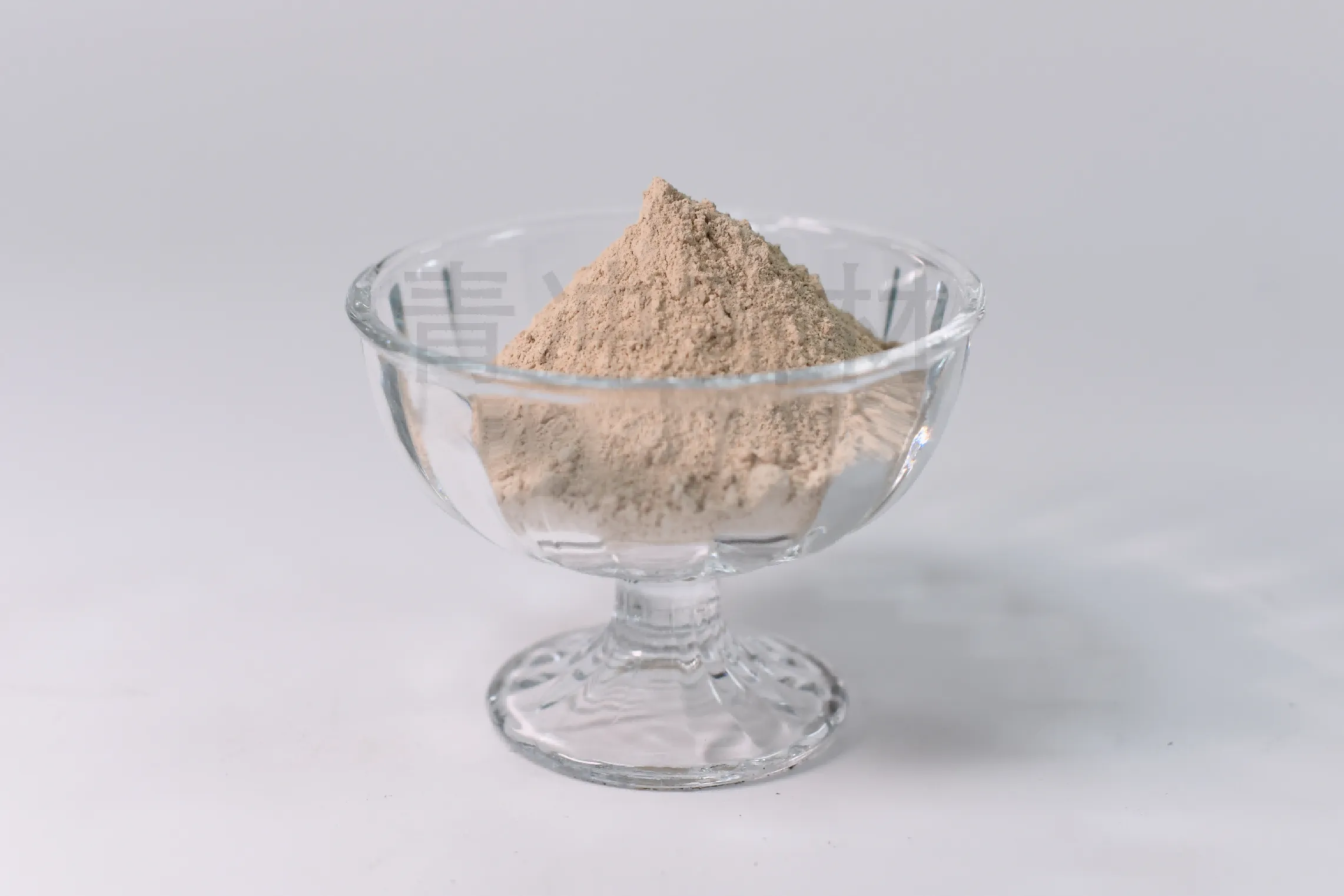
The formula MnCO3 identifies manganese(II) carbonate: a compound containing manganese and the carbonate group. That identity is useful when reading a process description, but it does not identify a commercial grade. Two materials described by the same formula may still need separate review because the supplied material can differ in composition, physical form, or impurities. None of those product-level details has been provided for QingChong New Materials' MnCO3. Carbonate chemistry also explains why the surrounding process matters. Contact with acid can produce carbon dioxide, and heating may drive decomposition under suitable conditions. Those are chemical considerations, not a recommended procedure or a statement about how any offered material performs. The conditions and results of a production step must be established for the buyer's own equipment and feedstock. In specification discussions, separate what the formula establishes from what a supplier document must establish. MnCO3 names the intended chemical identity. A lot-specific or grade-specific document, if the material is available, is needed to evaluate what would actually arrive at the plant. That distinction helps technical and purchasing teams avoid assigning performance to a formula alone.
Manganese Carbonate (MnCO₃)

Where Process Conditions May Limit Its Use

MnCO3 may be relevant when a process calls for a manganese carbonate or uses a carbonate as an intermediate. That possibility still needs to be tested against the conditions in which the material will be handled. An acid-contact step, for example, calls for attention to carbon dioxide release and the receiving equipment's gas-handling arrangements. A heat-treatment step requires its own review of temperature, atmosphere, and the product the process is intended to produce. Neither case establishes that an unspecified MnCO3 grade is suitable. Physical handling can be just as important as chemical identity. If material is metered into a dry blending or feeding system, the required physical form and handling behavior should be defined before a supplier proposes a material. If the process has limits for other elements, those limits need to be compared with documented composition rather than inferred from the MnCO3 formula. QingChong's supplied company information does not include MnCO3 process data or grade limits. Treat these conditions as screening questions: identify the reaction environment, handling method, and composition limits, then evaluate any proposed material against them.

Manganese Carbonate (MnCO₃)

What to Send With an MnCO3 Inquiry

Start by asking QingChong New Materials whether it currently offers MnCO3 for your intended use. No product listing, grade designation, or availability statement was supplied for this page, so that question comes before a request for a particular configuration. In the same inquiry, state the application and whether the material will be dissolved or reacted, heated, or introduced into a dry process. Include any documented limits your team has set for composition, impurities, and physical form. These are your purchasing requirements, not specifications attributed to QingChong. Ask what product documentation is available for any proposed grade and whether its stated values can be checked against those requirements. If your process currently uses a different manganese compound, identify it and explain why a change is being considered; the supplier can then respond to the actual technical question instead of a formula-only request. Before approving a purchase, have the technical team review the proposed documentation and any necessary trial results. Confirm packaging and destination requirements directly with the supplier as part of the transaction. The next step is a documented match between an available material and your process, not an assumed match based on the name MnCO3.

News

Industry updates

Products

Production modules

Why Choose Us

Why Discuss Manganese Carbonate Requirements With QingChong?

QingChong New Materials has a documented background in manganese chemicals: it describes integrated research and development, production, and sales operations, more than 20 years of industry experience, and a location in the Xiangtan manganese mining area. Those points make the company worth considering when a buyer needs a technical discussion about manganese inputs. Its stated strict quality control system provides another useful starting point for questions about how a proposed material is assessed. The company reports ISO9001:2008 quality management system certification obtained in July 2010 and National High-tech Enterprise certification obtained in September 2019. It also reports invention patents developed in cooperation with local universities. These are organizational credentials; they should not be read as certification or performance data for MnCO3. For an international buyer, QingChong's multilingual website may make initial communication easier, while the actual product scope and transaction terms still require direct confirmation. The practical reason to make contact is to establish whether MnCO3 is available and, if so, obtain the documentation needed to judge it. A company profile can inform supplier screening, but it cannot replace a review of the proposed grade.

FAQ

Common technical questions

Does the MnCO3 formula tell me the manganese content of a delivered material?

It identifies the compound and allows a theoretical composition to be calculated. It does not establish the assay or impurity levels of a commercial lot. Request the proposed grade's documentation and compare its reported values with your acceptance criteria.

Can MnCO3 be used in a process currently specified for MnO2?

Do not assume a direct substitution. MnCO3 is a carbonate and MnO2 is an oxide with different chemistry. Have your technical team review the reaction route and required output before considering a change.

What should operators check before adding MnCO3 to an acid-contact step?

Review the process procedure and equipment provisions for possible carbon dioxide generation. Any operating limits should come from your process assessment and the documentation for the material you intend to use.

Is a QingChong MnCO3 grade available for my application?

The supplied information does not confirm an MnCO3 product or grade. Contact QingChong with your application and required specifications, then ask what material, if any, it can offer and which documents are available for review.

Need a solution for your project?

Share your product type, target capacity, and application requirements. Our team can review the details and recommend a practical next step.

Contact Us
Whatsapp
WeChat

CONTACT US

Office Address:21/F,Zhonghan Fortune Building,Ji'an Road, Yuetang District,Xiangtan,Hunan,China

Factory Address: Heling Town, Yuhu District, Xiangtan City, Hunan Province, P.R.China

WhatsApp: 8613786275365

Fax: 86-731-52326088

E-mail: [email protected]