productlist

Manganese Oxide Manufacturing Process: A Buyer’s Guide

manganese oxide manufacturing process

A buyer asking about the manganese oxide manufacturing process may be looking for more than a production diagram. The first question is which manganese oxide the application requires. Manganese monoxide (MnO), manganese dioxide (MnO2), and trimanganese tetroxide (Mn3O4) have different compositions; the name alone does not establish whether a material will work in a formulation or production line. QingChong New Materials is a Chinese manufacturer focused on manganese dioxide and manganese compounds, with integrated R&D, production, and sales operations. For a procurement team, that makes process discussions most useful when they begin with the intended product and its acceptance criteria. A battery-material buyer, for example, may need to examine different properties from a buyer using a manganese compound in an industrial formulation. Neither should infer a grade or manufacturing route from a general search term. This page explains the questions behind a process inquiry: what the oxide designation means, which operating conditions matter, and what information to prepare before asking QingChong to assess a requirement. No product-grade specifications or plant-specific process steps have been supplied here, so they should be confirmed directly rather than assumed.

Technical Detail

Configured around process stability, mold life, and long-term uptime.

The phrase manganese oxide manufacturing process can describe several technical routes, but it does not identify a finished product. Oxidation state, feedstock, reaction conditions, purification, drying, and particle handling can all affect the material a buyer receives. That is why a process claim is most useful when tied to a named oxide and a measurable specification. A buyer comparing suppliers should ask which material is being discussed, how its identity is verified, and which properties are controlled from batch to batch. QingChong New Materials describes itself as a manganese dioxide and manganese compound manufacturer integrating R&D, production, and sales. It is located in the Xiangtan Manganese Mine area, a major Chinese manganese production base, and reports more than 20 years of industry experience. Those are relevant grounds for opening a technical discussion, but they do not establish that every manganese oxide, grade, or manufacturing route is available. The company also states that it operates a strict quality control system. For procurement purposes, the practical question is what documentation can be provided for the particular material under review, such as an applicable specification and batch test information. If your inquiry concerns MnO2, identify the intended use and any required properties rather than requesting a generic “manganese oxide.” If it concerns MnO or Mn3O4, ask QingChong to confirm availability before discussing process details. This keeps the conversation anchored to a verifiable product instead of treating the broader oxide family as interchangeable.

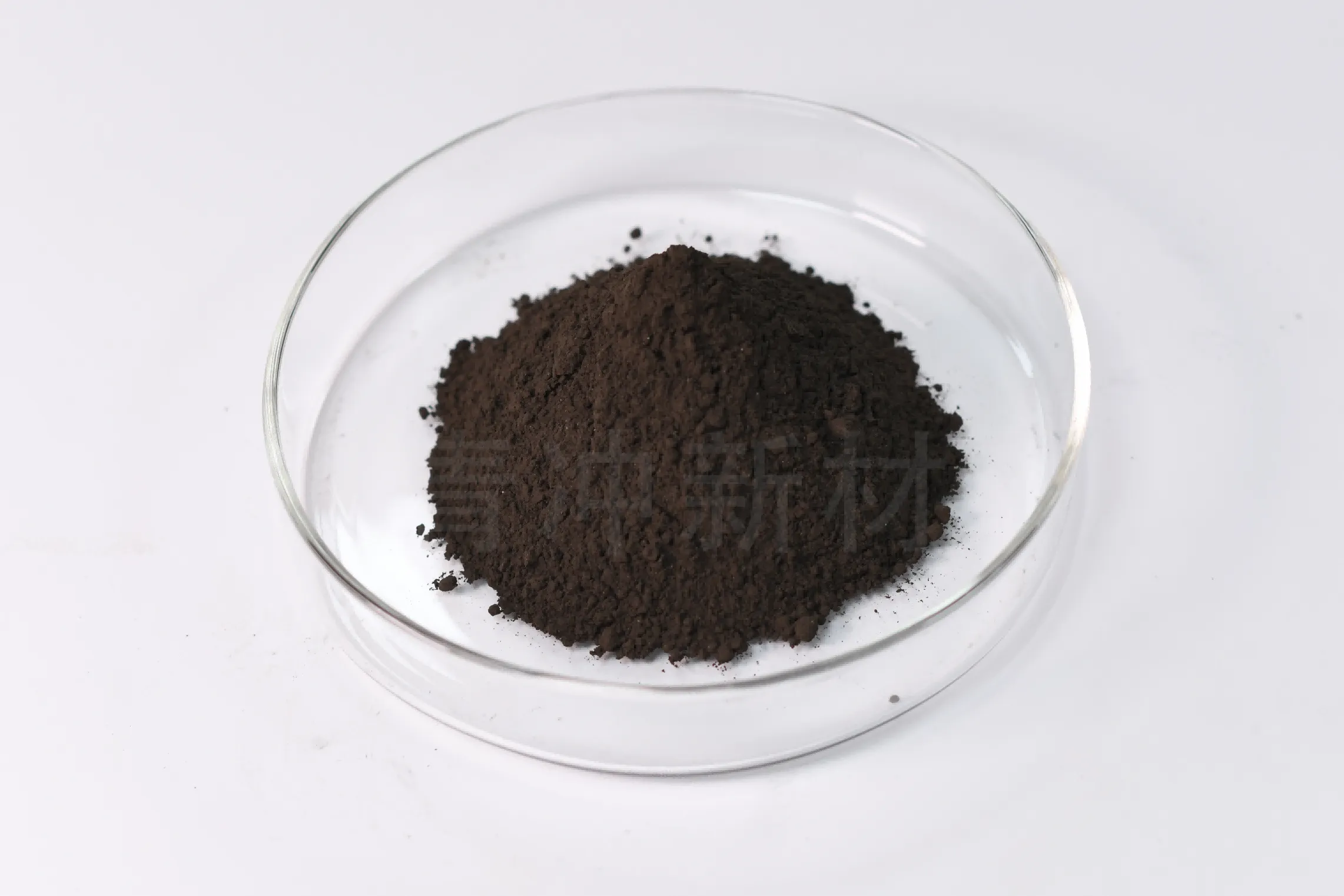
Manganese Oxide(MnO)

Why the Oxide Formula Changes the Process Discussion

Manganese oxide is a family name, not a single chemical formula. MnO, MnO2, and Mn3O4 contain manganese in different oxidation states, so their names should not be substituted for one another on a purchase specification. In general, a manufacturing route must create the intended composition and then preserve the relevant material properties through subsequent handling. Feedstock preparation, chemical conversion, separation, drying, and finishing may be involved, but the sequence and controls depend on the product and route. This is a technical framework, not a description of QingChong’s plant. The company’s stated focus on manganese dioxide and manganese compounds gives buyers a starting point for asking about a specific material. It does not confirm which production method is used for any grade. When reviewing a supplier’s process description, connect each claimed step to an observable outcome: chemical identity, impurity profile, particle characteristics, or another property that matters to your application. A flowchart alone cannot demonstrate those outcomes. Request the product designation and the relevant test basis before comparing manufacturing processes across suppliers.
Manganese Oxide(MnO)

Check Process Fit Against Your Operating Conditions

A process can produce the correct oxide formula and still leave a material unsuitable for a particular operation. In a powder-handling line, particle behavior and moisture sensitivity may affect feeding and storage. In a chemical formulation, unwanted constituents or inconsistent composition may interfere with downstream reactions. The appropriate checks depend on how the material will actually be used; these examples do not establish specifications for QingChong products. Start with the conditions the oxide will encounter after delivery. Consider the receiving format, storage environment, blending or reaction step, and the point at which a property would cause a measurable problem. Then ask which properties QingChong controls and whether the available grade can be assessed against those conditions. Its stated quality control system is relevant to this discussion, but a buyer still needs material-specific evidence rather than a general assurance. If your process requires a narrow property range, make that limit explicit. If the acceptable range is unknown, a small-scale qualification against your existing material or internal criteria may be more informative than choosing solely by oxide name.

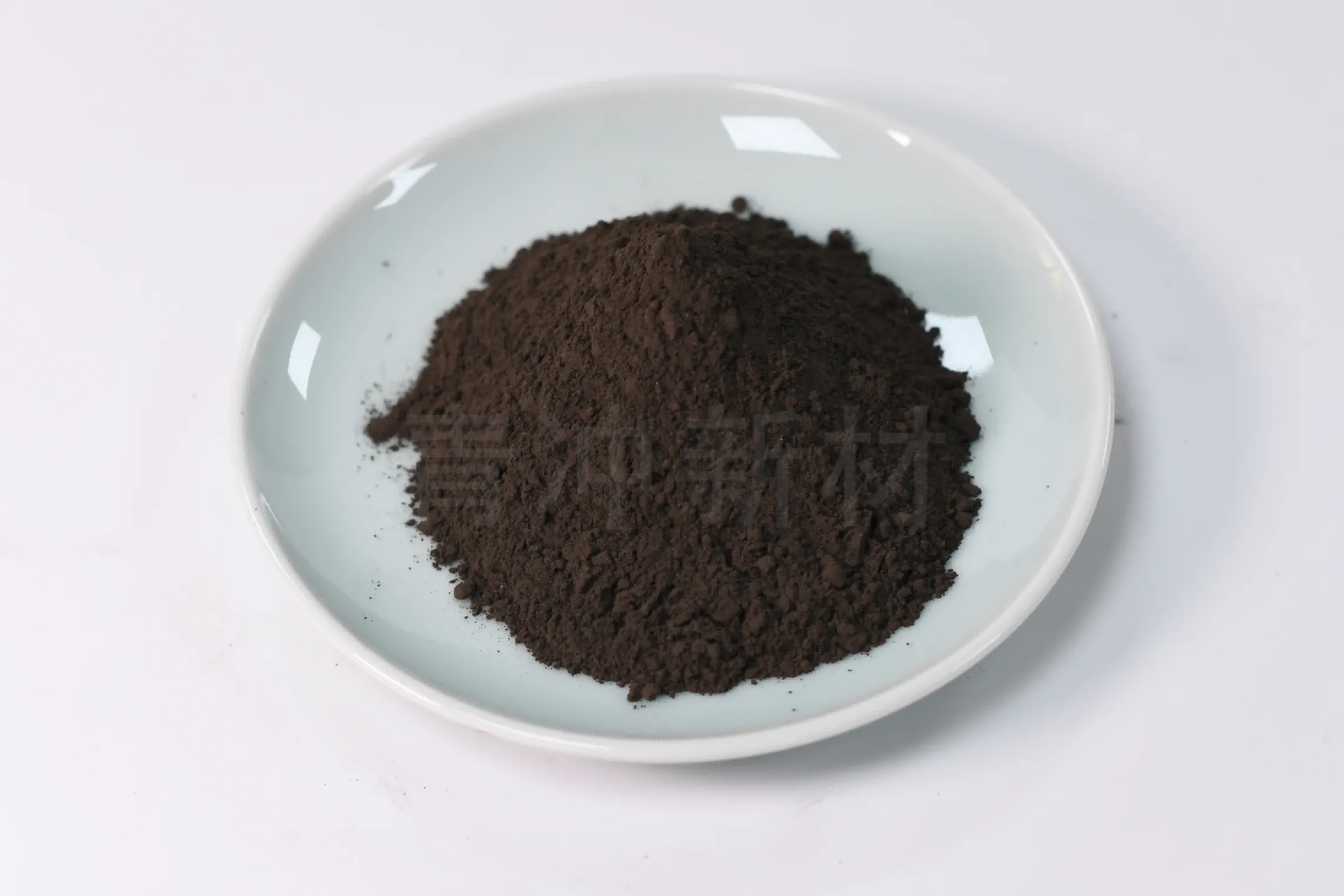
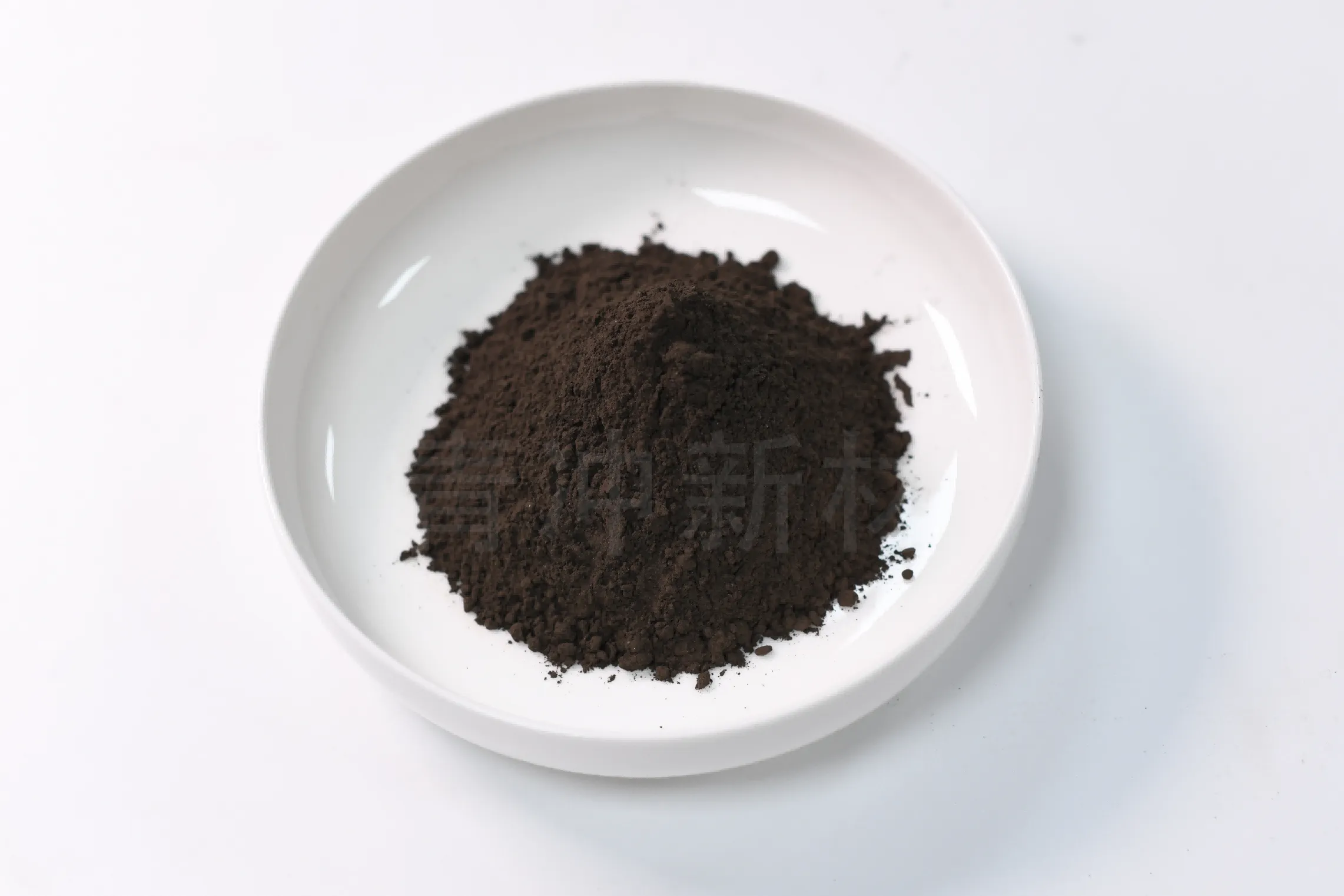
Manganese Oxide(MnO)

What to Send Before Requesting a Grade or Process Review

An inquiry about the manganese oxide manufacturing process is easier to answer when it includes a target material and a defined use. State whether you need manganese dioxide or another named manganese compound; if the requirement is MnO or Mn3O4, request confirmation of availability first. Provide the application, the stage at which the material enters your process, and any properties your team already measures. Attach an existing specification or describe the acceptance tests you plan to use. If you are replacing a current material, explain which characteristics must remain comparable and which problems prompted the review. Ask QingChong which product designation it proposes and what specification or batch documentation is available for that product. You can then request a discussion of the relevant manufacturing controls without assuming that a particular route is used. QingChong integrates R&D, production, and sales, so a single inquiry can present both the technical requirement and the purchasing context. Keep commercial questions separate from unverified technical assumptions: a confirmed product match should come before a decision based on an oxide family name.

News

Industry updates

Products

Production modules

Why Choose Us

Why Discuss Manganese Oxide Requirements with QingChong

QingChong New Materials combines R&D, production, and sales in a business focused on manganese dioxide and manganese compounds. For buyers examining a manganese oxide manufacturing process, that integrated structure provides a relevant point of contact for questions about product identity, production controls, and commercial requirements. The company reports more than 20 years of industry experience and is based in the Xiangtan Manganese Mine area, one of China’s important manganese production bases. Its stated strict quality control system is another reason to ask for grade-specific documentation and review how a proposed material will be checked. QingChong passed ISO9001:2008 quality management system certification in July 2010 and was certified as a National High-tech Enterprise in September 2019. These facts describe the company’s background; they should not be read as proof that a particular oxide grade, current certification status, or manufacturing route meets your requirements. QingChong also maintains a multilingual website and describes global export capabilities, which may help international buyers initiate a discussion. The sound basis for choosing a product remains a confirmed material designation, suitable specifications, and evidence relevant to the intended use.

FAQ

Common technical questions

Are MnO2 and Mn3O4 interchangeable if both are called manganese oxide?

No. They have different chemical formulas and oxidation states. Specify the exact material your application requires, then compare properties and test results for that material rather than relying on the family name.

Can I use a manganese oxide grade in an existing powder-feeding system?

That depends on the grade’s particle characteristics, moisture behavior, and your equipment. Share your feeding conditions and acceptance criteria with QingChong, then evaluate a proposed material under your own operating conditions.

What should I check when receiving a batch of manganese dioxide?

Check the product designation and supplied batch documentation against your purchase specification. Follow your site’s sampling and storage procedures, and investigate any discrepancy before releasing the batch to production.

Can QingChong quote a specific MnO or Mn3O4 grade based on this page?

Availability of those grades has not been provided. Send the required formula, intended application, and specification to QingChong and ask it to confirm whether a matching product is offered.

Need a solution for your project?

Share your product type, target capacity, and application requirements. Our team can review the details and recommend a practical next step.

Contact Us
Whatsapp
WeChat

CONTACT US

Office Address:21/F,Zhonghan Fortune Building,Ji'an Road, Yuetang District,Xiangtan,Hunan,China

Factory Address: Heling Town, Yuhu District, Xiangtan City, Hunan Province, P.R.China

WhatsApp: 8613786275365

Fax: 86-731-52326088

E-mail: [email protected]