productlist

Manganese Chloride Raw Material: Confirm the Right Specification

manganese chloride raw material

A purchase order that says only manganese chloride can leave an important question unresolved: which material, measured on what basis, will the process receive? For a buyer assessing manganese chloride raw material, a reported assay has limited value unless the compound form and test basis are clear. Hydrated and anhydrous forms have different formula weights, so their manganese percentages should not be compared as though they describe identical material. Moisture, insoluble matter and specified impurities may also matter, depending on the next manufacturing step. This page sets out the information needed to define a usable specification and discuss it with a supplier. QingChong New Materials is a manganese chemical manufacturer based in the Xiangtan Manganese Mine area, with integrated R&D, production and sales operations. The supplied company profile does not identify a manganese chloride grade, published specification or available form. Buyers should therefore treat the criteria below as a framework for technical review, not as claimed properties of a QingChong product. Start with the form your process requires, then ask for documented values and matching test methods before approving a sample or placing an order.

Technical Detail

Configured around process stability, mold life, and long-term uptime.

For manganese chloride raw material, the practical question is whether a proposed lot can be checked against the buyer's written requirements. QingChong New Materials describes an integrated R&D, production and sales operation, a strict quality control system and more than 20 years of manganese-industry experience. Those are relevant grounds for opening a technical discussion, but they do not establish that a particular manganese chloride form or grade is offered. No product assay, impurity limit, particle specification or package information was supplied for this page. A purchasing team should request product-specific documentation rather than infer any of those values from the company profile. In that review, identify the chemical form first and request the reported content of manganese chloride or manganese with its calculation basis. Then compare the listed impurities, moisture or water-content result, and insoluble matter against limits set by the receiving process. Ask how each result was measured and whether the document describes a typical value, a guaranteed limit or a result for the actual lot. These distinctions determine whether two quotations are genuinely comparable and whether incoming inspection can reproduce the supplier's figures. If a certificate of analysis or technical data sheet is available for the proposed material, it should be checked against the same written specification used internally by production and quality teams. QingChong's stated quality-focused approach makes that exchange a sensible starting point; acceptance still depends on evidence for the specific material under consideration.

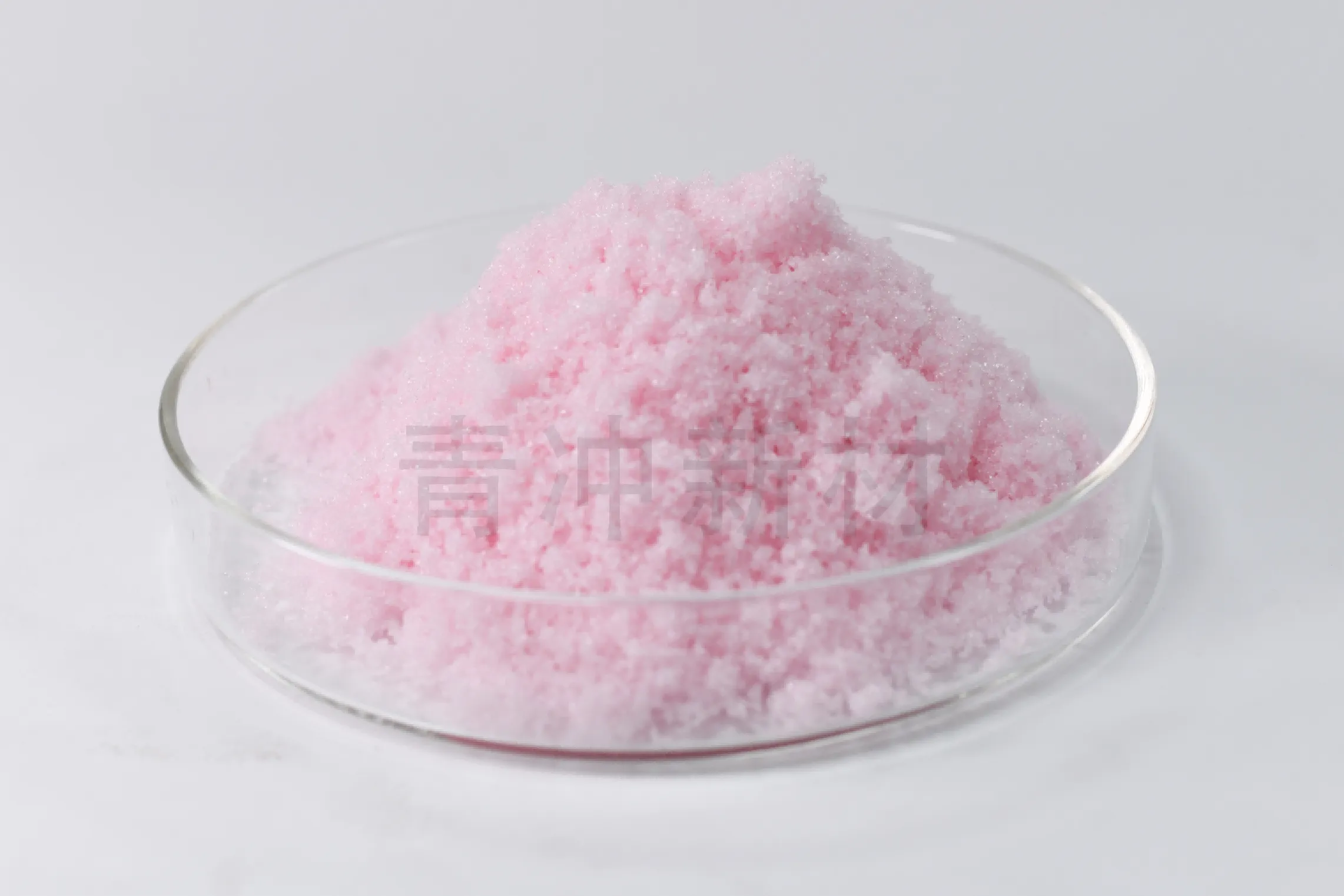
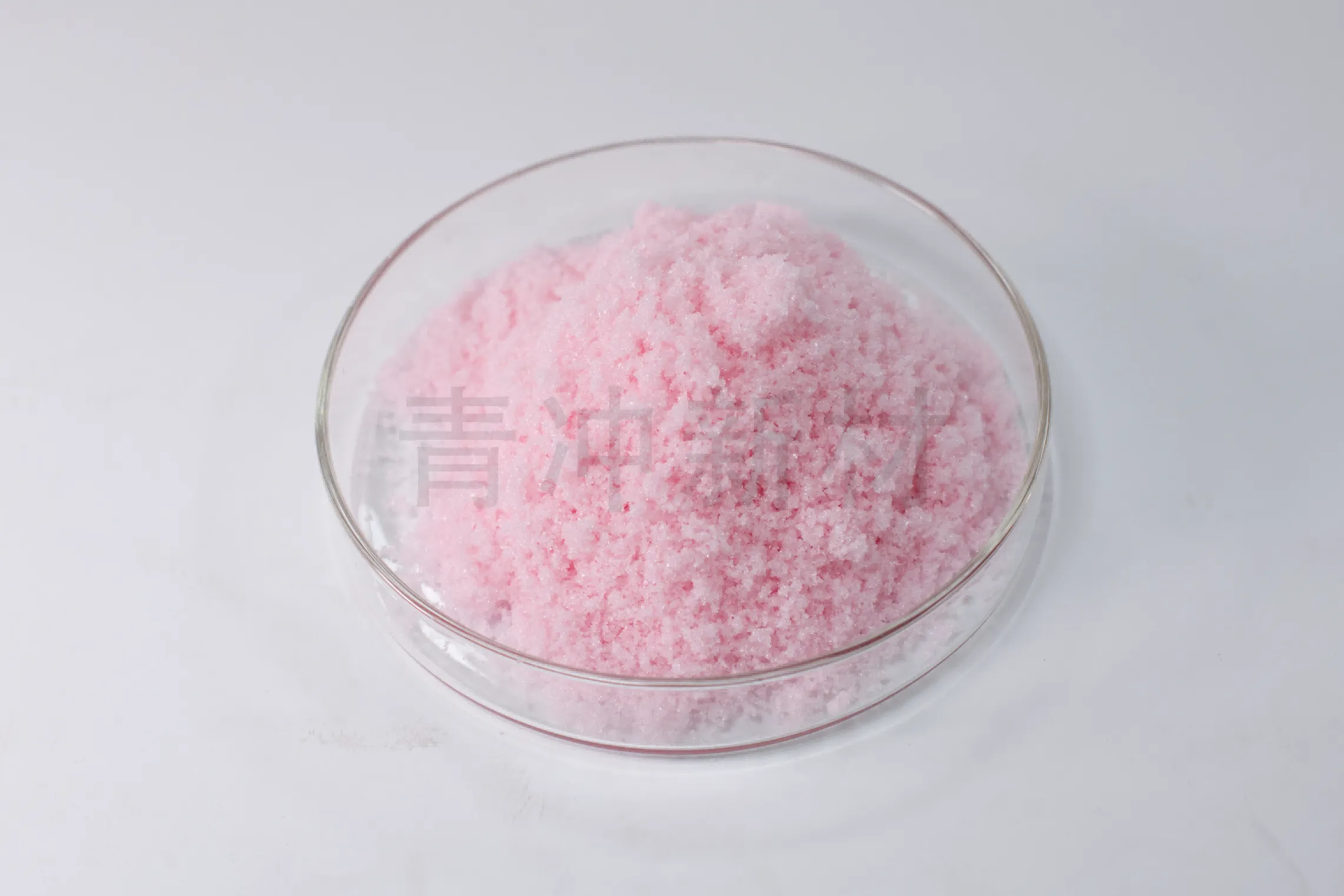
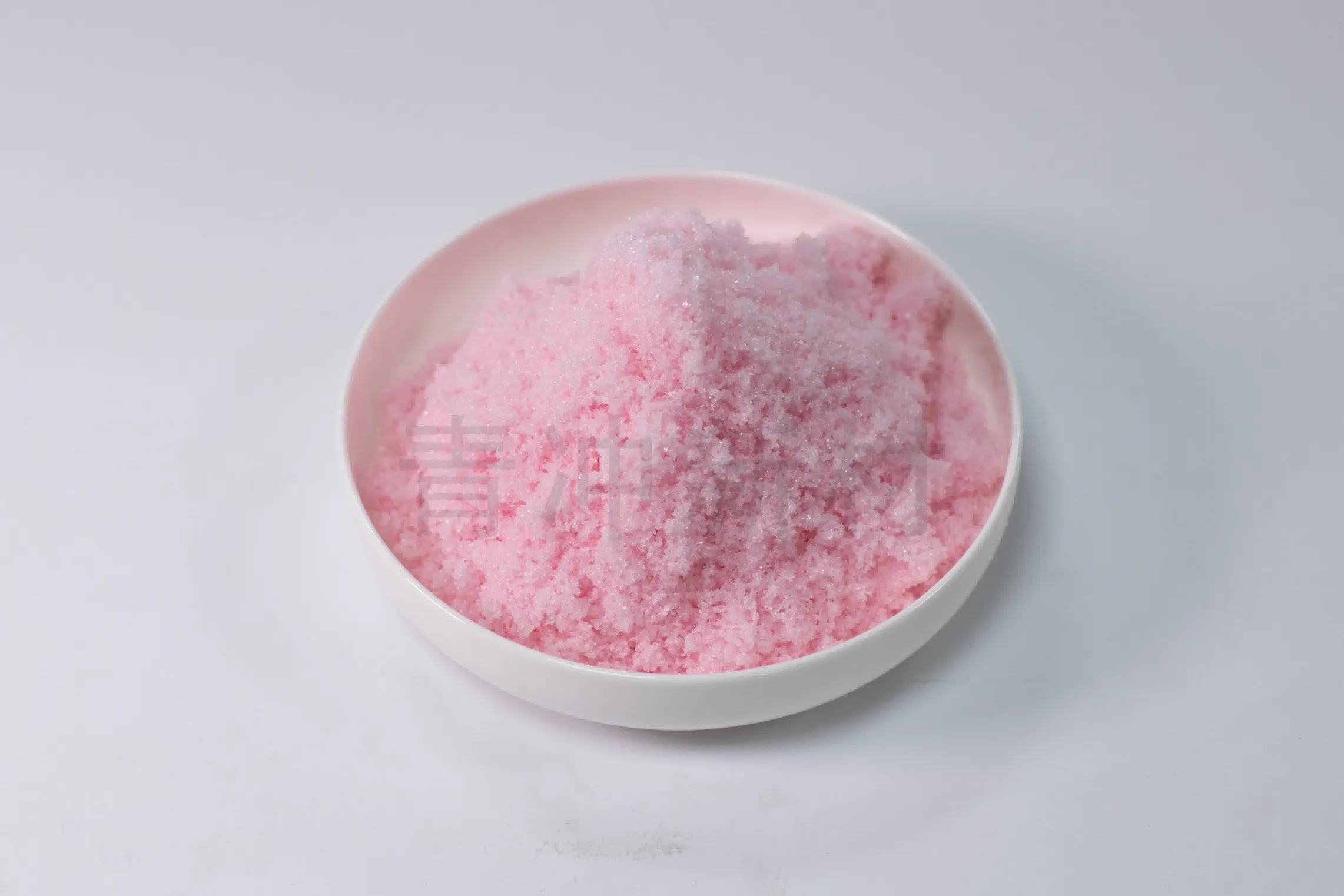
Manganese Chloride (MnCl₂)

What a Manganese Chloride Assay Actually Describes

A percentage on a data sheet needs a named substance and a reporting basis. Manganese chloride may be specified as an anhydrous compound or as a hydrate. Because water is part of a hydrate's formula, an assay expressed as manganese chloride, an assay expressed as elemental manganese and a result calculated on a dry basis answer different questions. A buyer cannot reliably rank two reported percentages until the compound form, unit and basis are stated. The same care applies to moisture and water content: a measurement of free moisture is not automatically equivalent to water associated with a hydrated compound. Impurity entries need definitions as well. An individual metal limit, a total limit and an insoluble-matter result describe different characteristics, even when all are shown as percentages. A test method and sample basis help explain how each number was obtained. No QingChong manganese chloride assay or test method was included in the supplied information, so none is asserted here. Its stated quality control system is useful context for requesting a clearly identified, product-specific test record.
Manganese Chloride (MnCl₂)

Match the Material to the Receiving Process

The right limits depend on what happens after receipt. If the material will be dissolved, the buyer should establish how much undissolved residue the process can tolerate and whether the intended make-up procedure requires a particular form. If it will feed another chemical reaction, define the required manganese input on a consistent basis and identify impurities that could carry into the next stage. Handling and storage requirements should be reviewed with the proposed material's safety information, especially where water content or exposure to humidity could affect the receiving procedure. These are screening questions, not claims that a QingChong grade meets any stated use. A useful acceptance test compares the buyer's process limits with documented results for the exact proposed material, including the method used where results are sensitive to testing conditions. A grade described simply as high purity may still be unsuitable if one process-sensitive impurity exceeds the buyer's limit. Conversely, a difference in headline assay may reflect a different chemical form rather than poorer control. Without a QingChong manganese chloride specification in the supplied materials, suitability for any particular application remains to be confirmed directly.

Manganese Chloride (MnCl₂)

Specification Checklist for a Technical Inquiry

Send a specification that another party can answer line by line. State whether the requirement is for anhydrous manganese chloride or a defined hydrate, and specify whether the target content is expressed as compound content or elemental manganese. Include the acceptable basis for reporting results, such as as-received or dry basis, together with required units. List each impurity that matters to the process and its maximum acceptable level; add the moisture or water-content requirement and an insoluble-matter limit only where those measurements affect acceptance. Identify any test methods your quality team requires, and describe the intended use sufficiently to explain unusual limits. For an initial discussion with QingChong New Materials, ask first whether a corresponding manganese chloride material is available. If it is, request its product-specific technical data, applicable safety information and a representative or lot-specific analysis as appropriate to your approval process. Confirm which entries are guaranteed limits and which are informational results. Where the offered form or reporting basis differs from your specification, resolve that difference before comparing figures or approving a sample. The supplied brand information gives no price, minimum order quantity or delivery commitment, so these must be confirmed separately rather than assumed.

News

Industry updates

Products

Production modules

Why Choose Us

Why Bring a Manganese Chloride Specification to QingChong?

QingChong New Materials brings an established manganese-chemical background to a specification discussion. The company reports more than 20 years of industry experience and is located in the Xiangtan Manganese Mine area, a significant manganese production base in China. It describes integrated R&D, production and sales operations, which gives buyers a clear basis for asking technical and commercial questions in one supplier conversation. Its stated strict quality control system is relevant when requesting test records and clarifying how a proposed material is evaluated. The company also reports passing ISO9001:2008 quality management system certification in July 2010 and receiving National High-tech Enterprise certification in September 2019. Those dated credentials describe its background; they should not be read as certification of a manganese chloride grade or proof of a current certificate's status. For international buyers, QingChong states that it has export capabilities and a website in 14 languages. These facts support a technical inquiry, not an assumption of product availability. Ask for the exact material designation, specification and documentation before deciding whether QingChong can meet the manganese chloride raw material requirement.

FAQ

Common technical questions

Can I compare manganese percentages for anhydrous and hydrated manganese chloride directly?

No. Confirm the chemical form and whether the percentage is reported as elemental manganese, manganese chloride or on a dry basis. Compare values only after they have been put on the same basis.

Would manganese chloride intended for solution preparation need an insoluble-matter limit?

That depends on the downstream filtration and product requirements. If undissolved residue would cause a problem, set a limit your process can accept and ask how the proposed material is tested.

What should our receiving team check against a certificate of analysis?

Match the product name and form to the purchase specification, then check the lot identification, reported results, units and test basis. Clarify any missing method or unexplained result before releasing the material.

Does QingChong offer an anhydrous grade or a particular hydrate?

The supplied company information does not identify an available manganese chloride form or grade. State the form you need in your inquiry and ask QingChong to confirm availability with product-specific documentation.

Need a solution for your project?

Share your product type, target capacity, and application requirements. Our team can review the details and recommend a practical next step.

Contact Us
Whatsapp
WeChat

CONTACT US

Office Address:21/F,Zhonghan Fortune Building,Ji'an Road, Yuetang District,Xiangtan,Hunan,China

Factory Address: Heling Town, Yuhu District, Xiangtan City, Hunan Province, P.R.China

WhatsApp: 8613786275365

Fax: 86-731-52326088

E-mail: [email protected]