 EN
EN
 CN
CN
 fr
fr es
es ar
ar ru
ru de
de pt
pt tr
tr vi
vi it
it ja
ja ko
ko hi
hi
What the Electrolytic Route Tells You
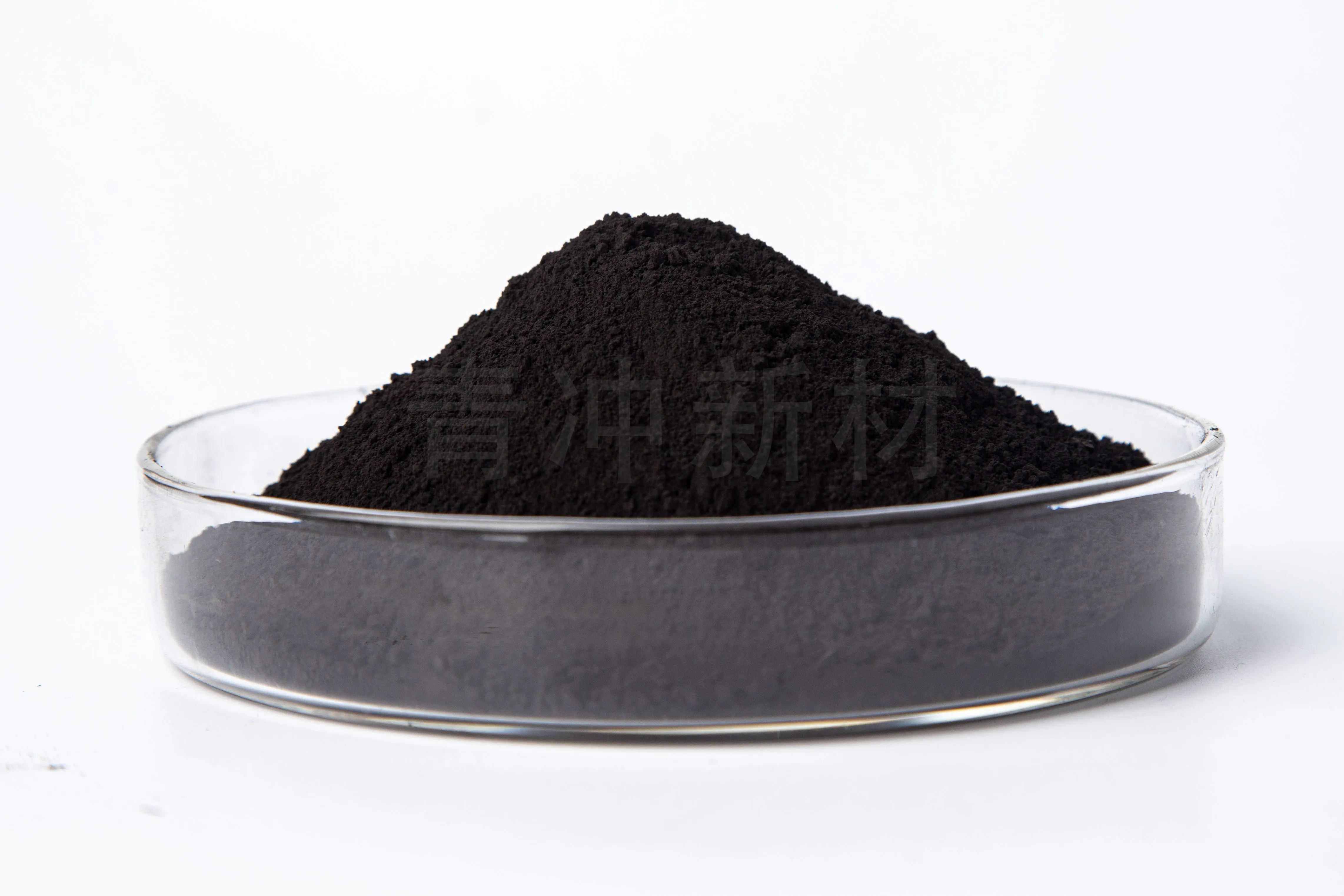
EMD is produced by an electrolytic route: manganese dioxide forms through an electrochemical process and is then processed into a usable material. That route distinguishes EMD from manganese dioxide identified primarily by its mineral origin or another manufacturing method. It does not, by itself, tell a buyer the material's assay, impurity levels or physical form. Those properties depend on the particular product and how it is processed and tested. The word purity also needs a definition. A reported manganese dioxide content answers a different question from a limit on an individual trace element. Likewise, a chemical analysis does not describe particle-size distribution, moisture or behavior in a downstream process. Two materials carrying the same broad name may therefore require different qualification work. QingChong New Materials combines manganese chemical R&D, production and sales, but no EMD-specific production sequence or measured product parameters were supplied for this page. Buyers should distinguish the general meaning of electrolytic manganese dioxide from claims about a particular QingChong grade. For technical review, the useful evidence is a named product specification, its stated test methods and results for the material being offered. Without those documents, high purity remains a purchasing requirement rather than a verified product attribute.