productlist

glazes mno2 for Ceramic Glaze Formulation

glazes mno2

A glaze recipe can look right on paper and still produce a different surface after firing. That is why buyers searching for glazes mno2 need to consider both the manganese dioxide material and the conditions in which it will be used. MnO2 is a manganese-bearing raw material used in ceramic glaze formulation, commonly to develop brown, purple, or dark effects. Its final appearance depends on the rest of the recipe, the clay body, and the firing process; the name of the ingredient alone cannot predict a finished color. This page is intended for ceramic material buyers, glaze developers, and manufacturers assessing manganese dioxide for formulation work. QingChong New Materials is a Chinese manganese chemical manufacturer integrating R&D, production, and sales, with more than 20 years of industry experience. No glaze-specific grade, particle size, purity, or recommended addition rate has been supplied for this page. Treat those points as questions to verify, not established product specifications. Before approving a material for production, buyers should request current documentation and test a representative sample in their own glaze and firing cycle.

Technical Detail

Configured around process stability, mold life, and long-term uptime.

For a ceramic manufacturer, glazes mno2 describes a material requirement rather than a finished glaze with a guaranteed shade. Manganese dioxide supplies manganese to a formulation, but the result must be judged in the complete glaze system. A studio developing a dark decorative surface, a glaze producer refining a prepared blend, and a factory reviewing raw-material sourcing may all ask for MnO2 while needing different evidence before purchase. QingChong New Materials operates from the Xiangtan Manganese Mine area in China and describes its business as integrated R&D, production, and sales of manganese chemicals. It reports a strict quality control system and more than 20 years of industry experience. Those are useful supplier background facts, but they do not establish that a particular manganese dioxide grade is suitable for every ceramic glaze. The supplied information does not state a glaze-specific chemical analysis, particle-size distribution, moisture limit, packaging format, or ceramic test result. Buyers should therefore ask which current material specification is available and whether its documented properties match their process. For development work, record the intended color or surface, base-glaze composition, firing method, and consistency requirements before testing. For recurring production, compare incoming documentation with an approved reference batch and check fired results under normal factory conditions. This separates a general interest in manganese dioxide from a defensible decision about a specific material supply.

Manganese Dioxide(MnO₂)

What MnO2 Contributes During Glaze Firing

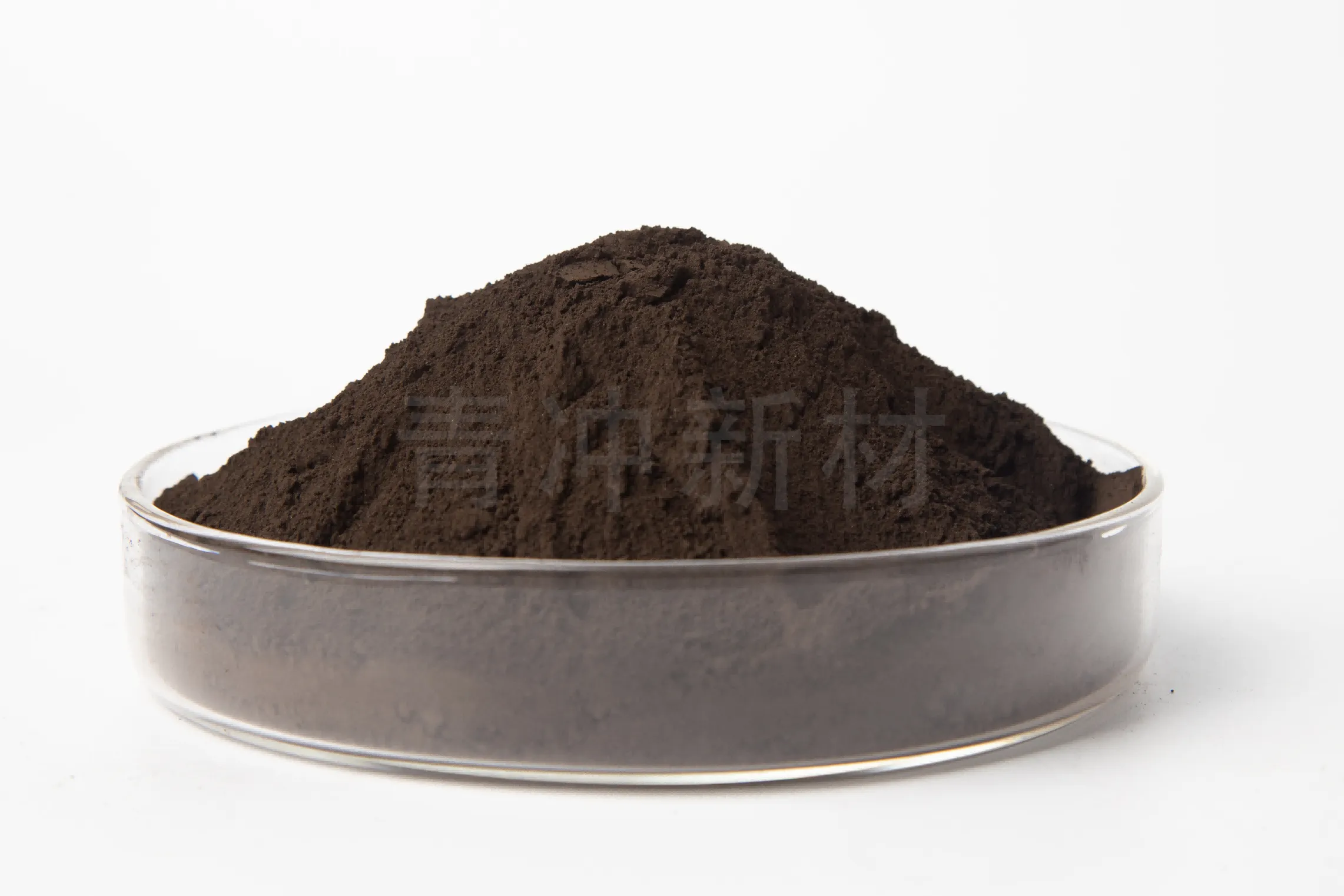
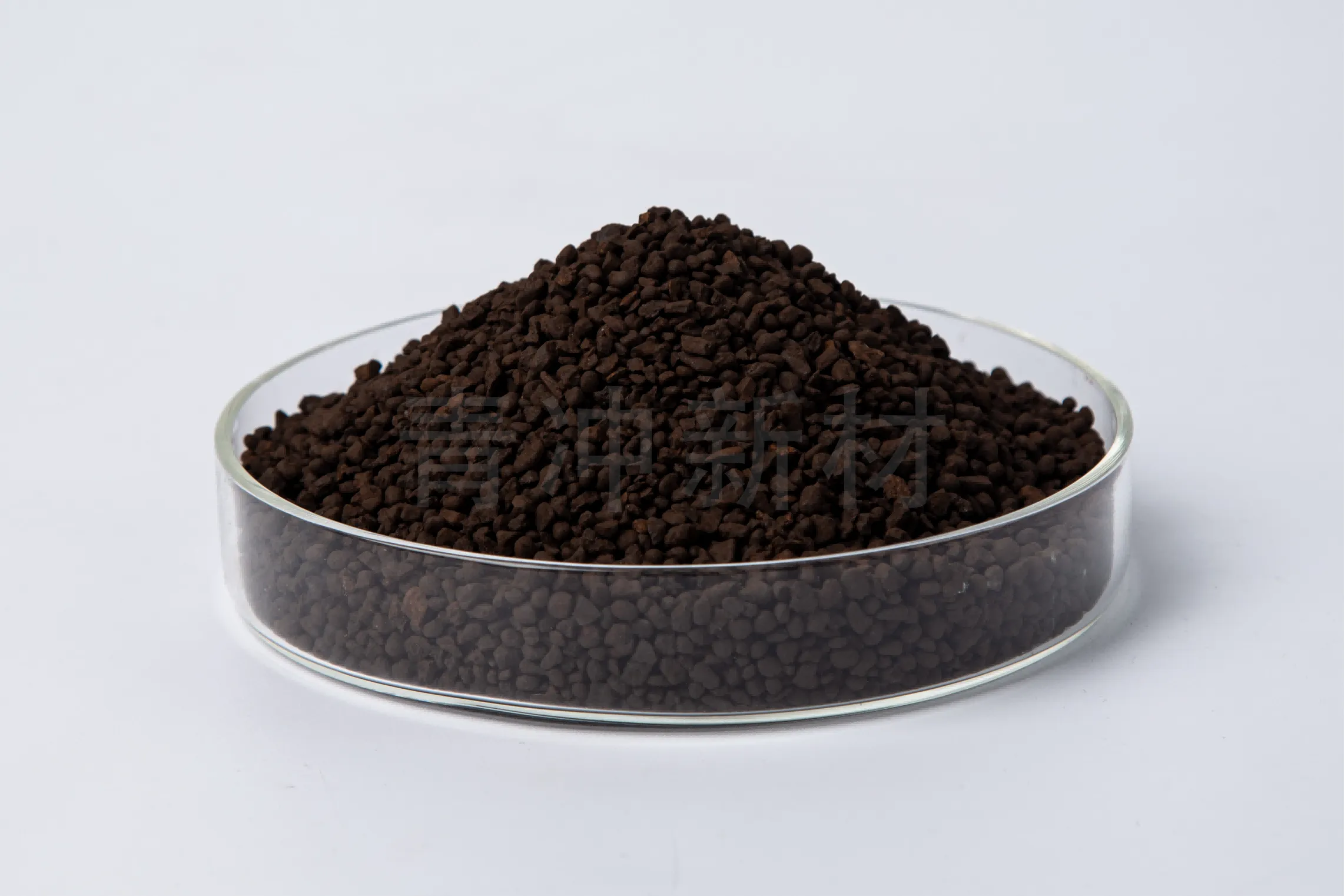
MnO2 is a manganese-bearing input, not a color that transfers unchanged from powder to fired ware. During firing, manganese compounds can change oxidation state and interact with other glaze components. The resulting color and surface depend on the chemistry of the base glaze and the firing atmosphere. A recipe using the same manganese source may therefore look different after changes to fluxes, other colorants, temperature, or cooling. This helps explain why an ingredient listing cannot serve as a finished-glaze specification. The form and dispersion of a raw material also matter when a manufacturer needs repeatable mixing, although no particle-size or dispersion data for a QingChong glaze grade was provided here. When reviewing a manganese dioxide material, distinguish its documented raw-material properties from the properties of a fired test tile. Chemical analysis can describe the supplied material; a fired sample shows how that material behaves in one defined recipe and cycle. Both records have a role, but neither should be presented as a universal prediction of glaze appearance.
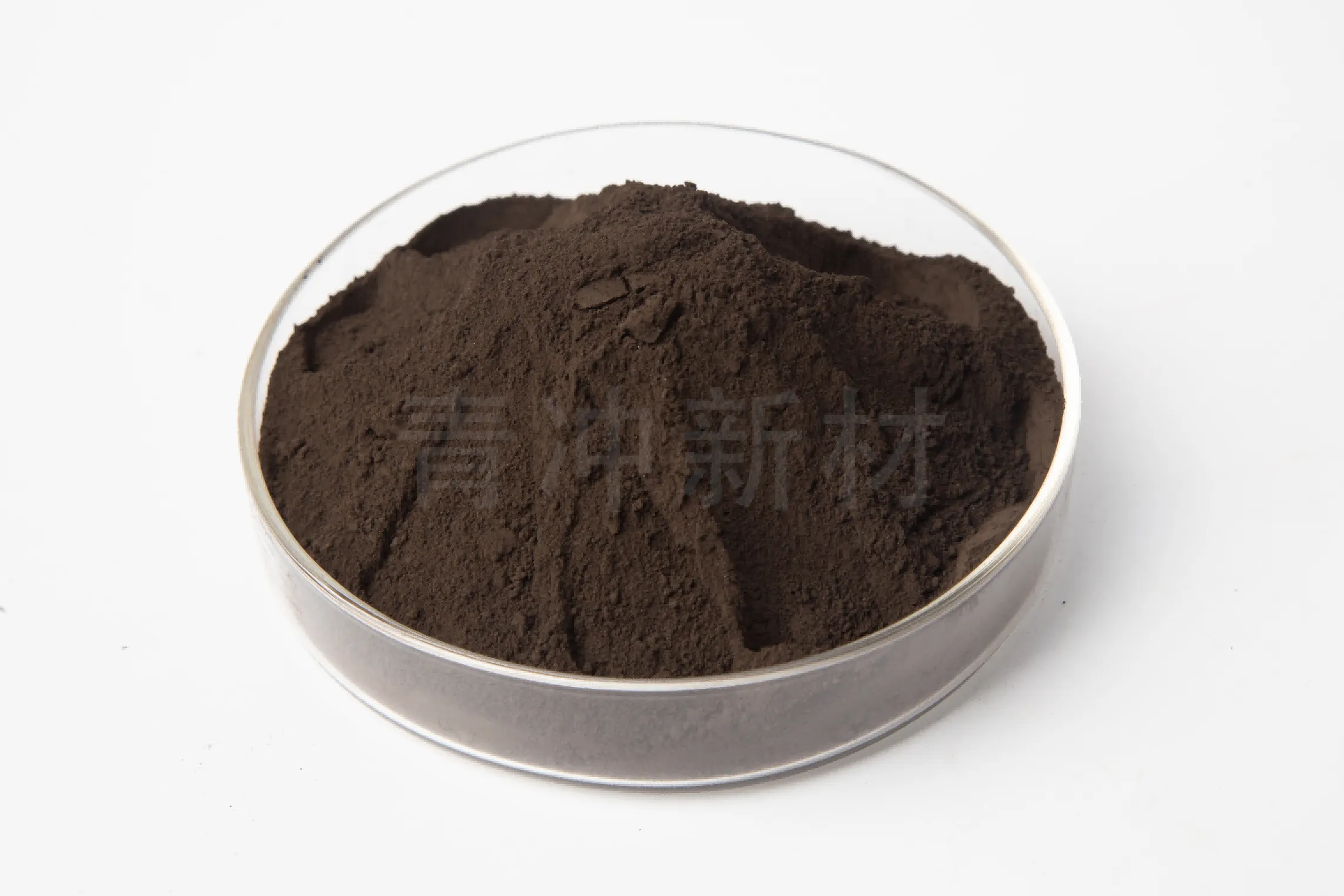
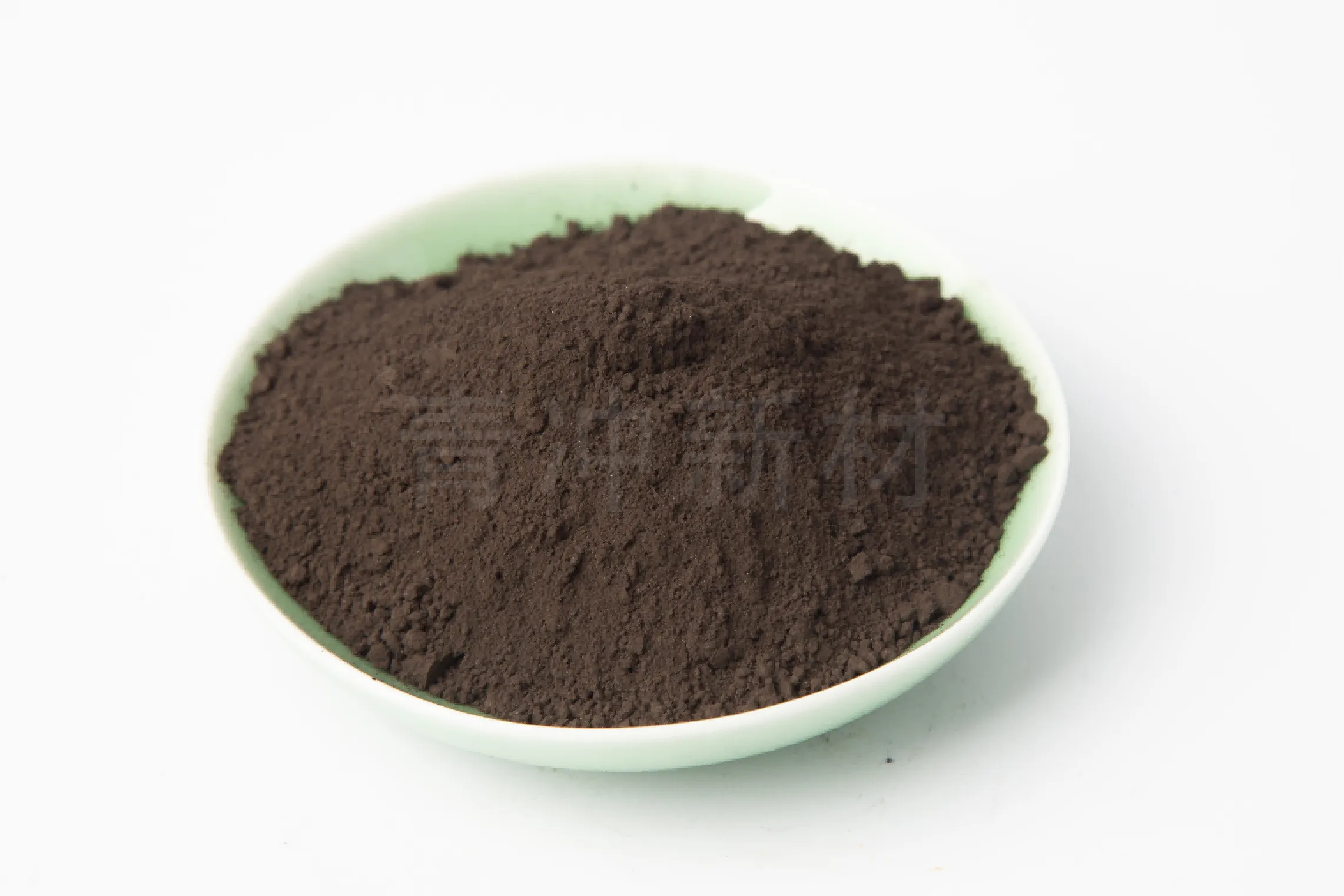
Manganese Dioxide(MnO₂)

Where Firing Conditions Can Change the Result

Suitability should be assessed against the conditions a buyer can reproduce, not against a reference image alone. Start with the base glaze and clay body, then note the firing temperature range, atmosphere, application method, and target surface. Oxidation and reduction conditions can produce different manganese effects, while changes elsewhere in the glaze may alter color or surface behavior. A material that works in one recipe should therefore be retested before being transferred to another production line or firing cycle. Check whether the formulation also contains other colorants, since the observed shade may not be attributable to MnO2 alone. If the goal is a repeatable production glaze, compare test pieces made under the normal cycle with an approved control, including the areas where application thickness varies. Manganese-containing powders also require appropriate handling controls during storage, weighing, and mixing; buyers should review the applicable safety documentation and their local workplace requirements. QingChong's supplied brand information does not specify a ceramic firing range or approved end uses for a particular grade, so those limits need confirmation before use.

Manganese Dioxide(MnO₂)

Information to Prepare Before Requesting a Material

A useful glazes mno2 inquiry should connect the material request to a defined manufacturing task. Send the intended glaze application, base recipe or relevant composition details, firing atmosphere and cycle, clay body, and the color or surface you are trying to reproduce. Indicate whether the request concerns early formulation trials or an existing production recipe with an approved reference. Ask QingChong New Materials for the current specification and available batch documentation for the manganese dioxide being offered; confirm which chemical-analysis items, particle-size information, and safety documents can be supplied. If your purchasing process sets limits for moisture or other impurities, provide those limits rather than assuming a standard glaze grade exists. For evaluation, agree internally on a test method that compares the proposed material with your present reference under the same mixing, application, and firing conditions. Record any differences before discussing routine supply. No price, minimum order quantity, lead time, glaze-grade designation, or sample availability was provided in the source information, so request those details directly if they affect the purchasing decision.

News

Industry updates

Products

Production modules

Why Choose Us

Why Review QingChong for a Glazes MnO2 Inquiry

QingChong New Materials brings established manganese-chemical manufacturing experience to a buyer's initial supplier review. The company is located in the Xiangtan Manganese Mine area, describes more than 20 years of industry experience, and integrates R&D, production, and sales. It also reports a strict quality control system. For a glaze buyer, these points justify asking how a proposed manganese dioxide material is specified, checked, and documented; they do not replace a product-specific analysis or a fired trial. The company's ISO9001:2008 quality management system certification was passed in July 2010, and it was certified as a National High-tech Enterprise in September 2019. Buyers with formal supplier-approval procedures should request current, relevant evidence rather than treating historical certification dates as proof of present certificate status. QingChong also reports global export capabilities and a website available in 14 languages, which may help international teams begin a technical conversation. The practical reason to engage is the opportunity to discuss a defined manganese requirement with a specialist manufacturer. Confirm the offered material's actual documentation and performance in your own glaze before placing it into a production recipe.

FAQ

Common technical questions

Is MnO2 content the only number I should compare between suppliers?

No. Ask for the current chemical analysis and identify which other constituents matter to your recipe. If your process depends on powder handling or consistent mixing, request available particle-size and moisture information too. No numerical specification for a QingChong glaze grade was supplied here.

Can I use the same MnO2 material in an oxidation and a reduction firing?

Do not assume the fired result will match. Firing atmosphere can change manganese's behavior in a glaze. Run controlled tests in each firing cycle and compare them against the intended color and surface standard.

What should our team check while weighing MnO2 for a glaze batch?

Use the applicable safety documentation and your workplace procedures for handling manganese-containing powder. Keep weighing records accurate, control dust exposure as required, and ensure the material is mixed consistently before judging fired test pieces.

Should I request a glaze grade before sending an inquiry?

Describe your recipe, firing conditions, target result, and any purchasing limits first. Ask which manganese dioxide material QingChong can document for evaluation. A named glaze grade or a particular specification should not be assumed from the information provided here.

Need a solution for your project?

Share your product type, target capacity, and application requirements. Our team can review the details and recommend a practical next step.

Contact Us
Whatsapp
WeChat

CONTACT US

Office Address:21/F,Zhonghan Fortune Building,Ji'an Road, Yuetang District,Xiangtan,Hunan,China

Factory Address: Heling Town, Yuhu District, Xiangtan City, Hunan Province, P.R.China

WhatsApp: 8613786275365

Fax: 86-731-52326088

E-mail: [email protected]