productlist

electrolytic manganese dioxide reagent grade: What to Verify

electrolytic manganese dioxide reagent grade

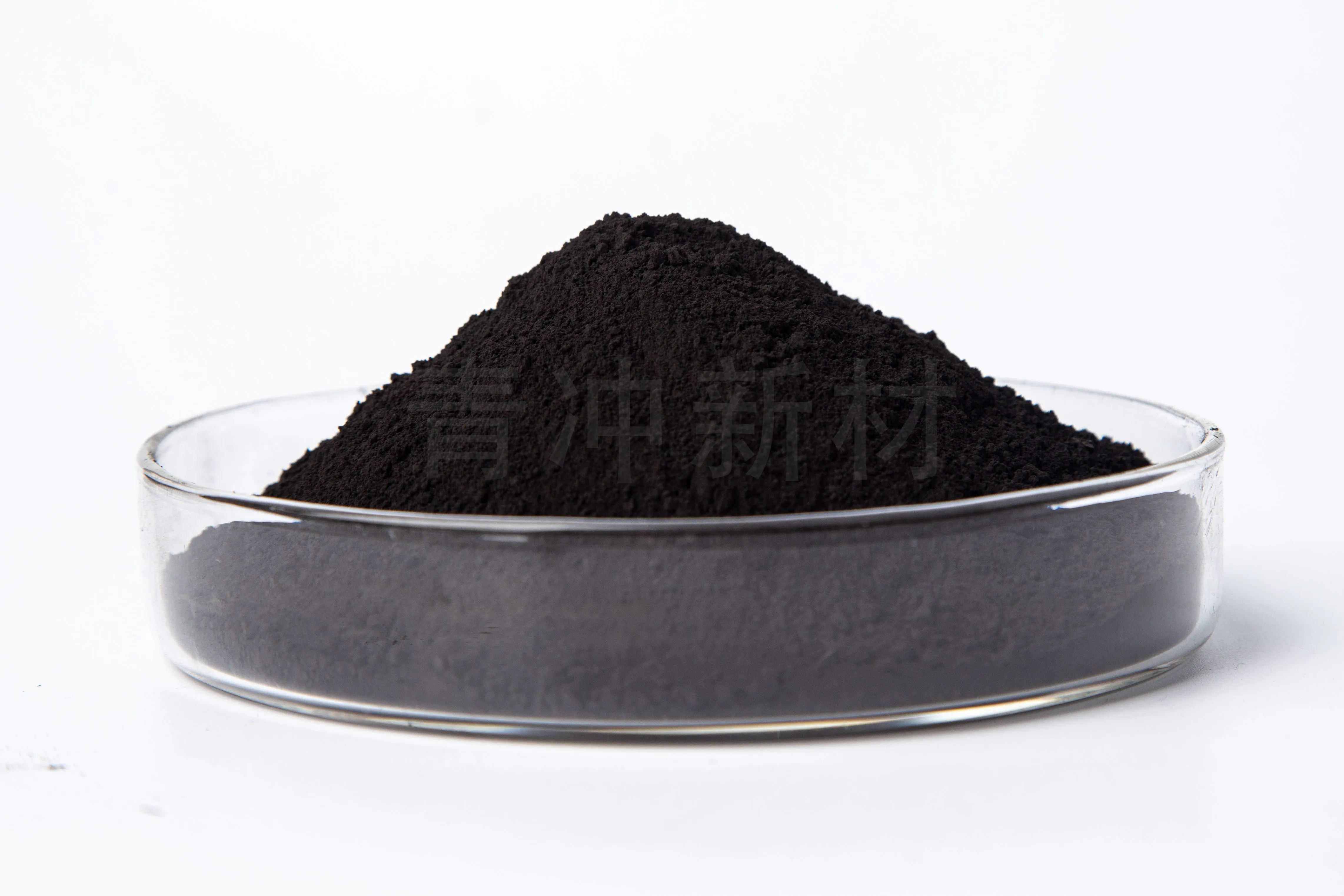
A request for electrolytic manganese dioxide reagent grade needs more than a product name. In laboratory work, a material may be used to prepare a solution, support an analytical procedure, or serve as a reference input for research. Each use can place different demands on composition and trace impurities. The phrase “reagent grade” alone does not establish a universal purity threshold or confirm suitability for a particular method. Buyers therefore need an agreed specification before treating any offer as interchangeable with an existing material. Start with the required manganese dioxide assay, identify impurities that could affect your procedure, and check how each result is measured and reported. Particle characteristics may also matter when the material must disperse or react under defined conditions. QingChong New Materials is a Chinese manganese chemical manufacturer integrating R&D, production and sales, with more than 20 years of industry experience. This page sets out the questions to resolve before requesting a grade for laboratory use. No product-specific assay, impurity limits, particle size or test results have been provided here; those details require confirmation against the offered specification.

Technical Detail

Configured around process stability, mold life, and long-term uptime.

For a technical-parameter inquiry, the most useful document is a specification that can be checked against the buyer’s own acceptance criteria. Ask for the stated MnO₂ assay and its test method, the identity and limits of relevant impurities, and the basis on which results are reported. Where the application is sensitive to handling or reaction behavior, request applicable particle-size information and any moisture-related criterion. These are parameters to verify, not published specifications for a QingChong reagent-grade product: no corresponding product sheet or measured values were supplied for this page. A certificate of analysis, if available for the offered batch, should be read alongside the specification so that a stated limit is not confused with one batch’s result. QingChong New Materials integrates research, production and sales and describes a strict quality-control system. The company is based in the Xiangtan Manganese Mine area and reports ISO9001:2008 quality management system certification passed in July 2010. Those company-level facts provide context for a supplier discussion; they do not establish that a particular material meets an analytical method or a buyer’s reagent-grade definition. Send the laboratory method or purchasing standard, the limits that cannot be exceeded, and the documentation your receiving team requires. QingChong can then be asked to confirm whether a documented offering matches those requirements, rather than relying on a grade label without numerical criteria.

Electrolytic Manganese Dioxide (EMD)

What the Reported Parameters Actually Describe

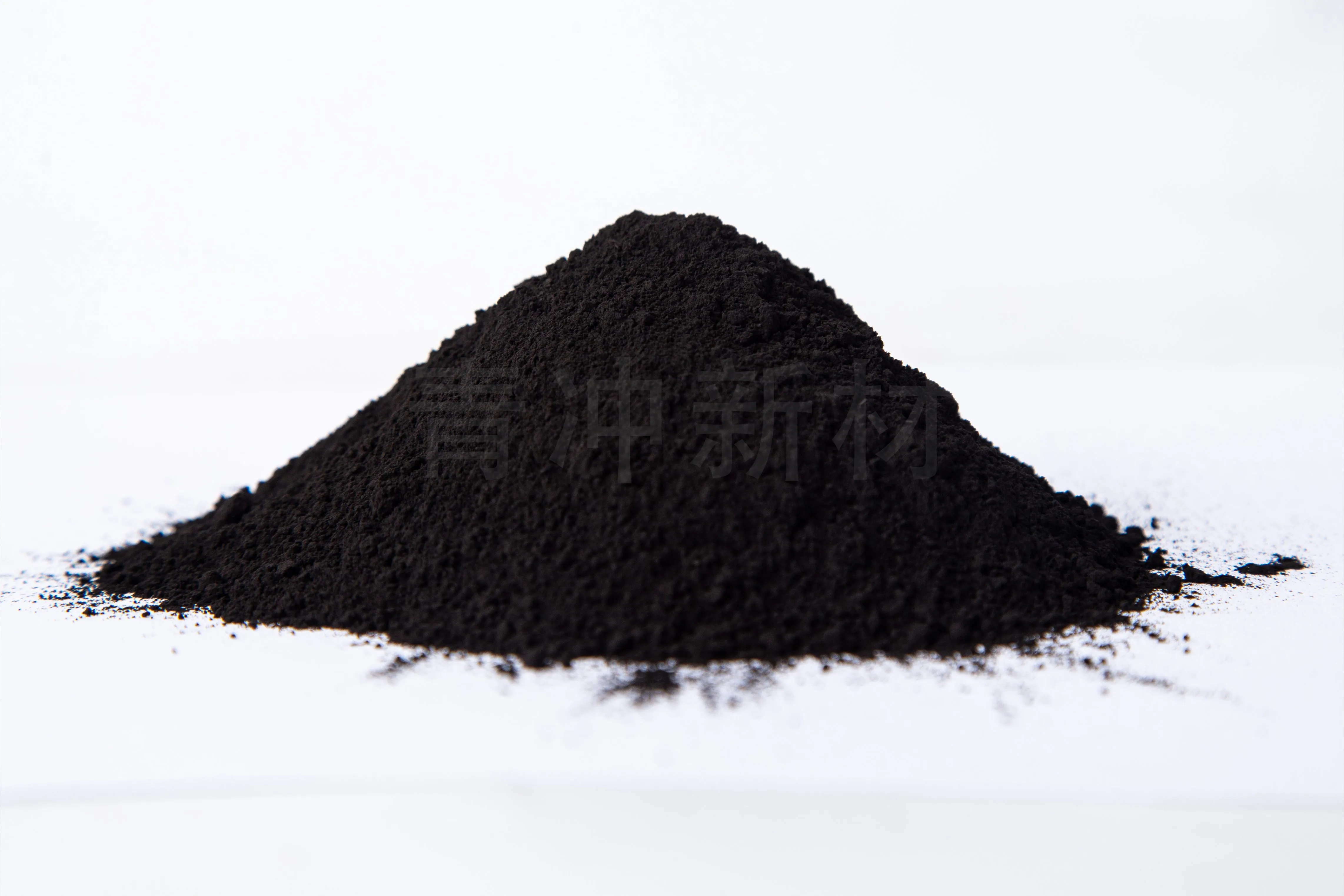
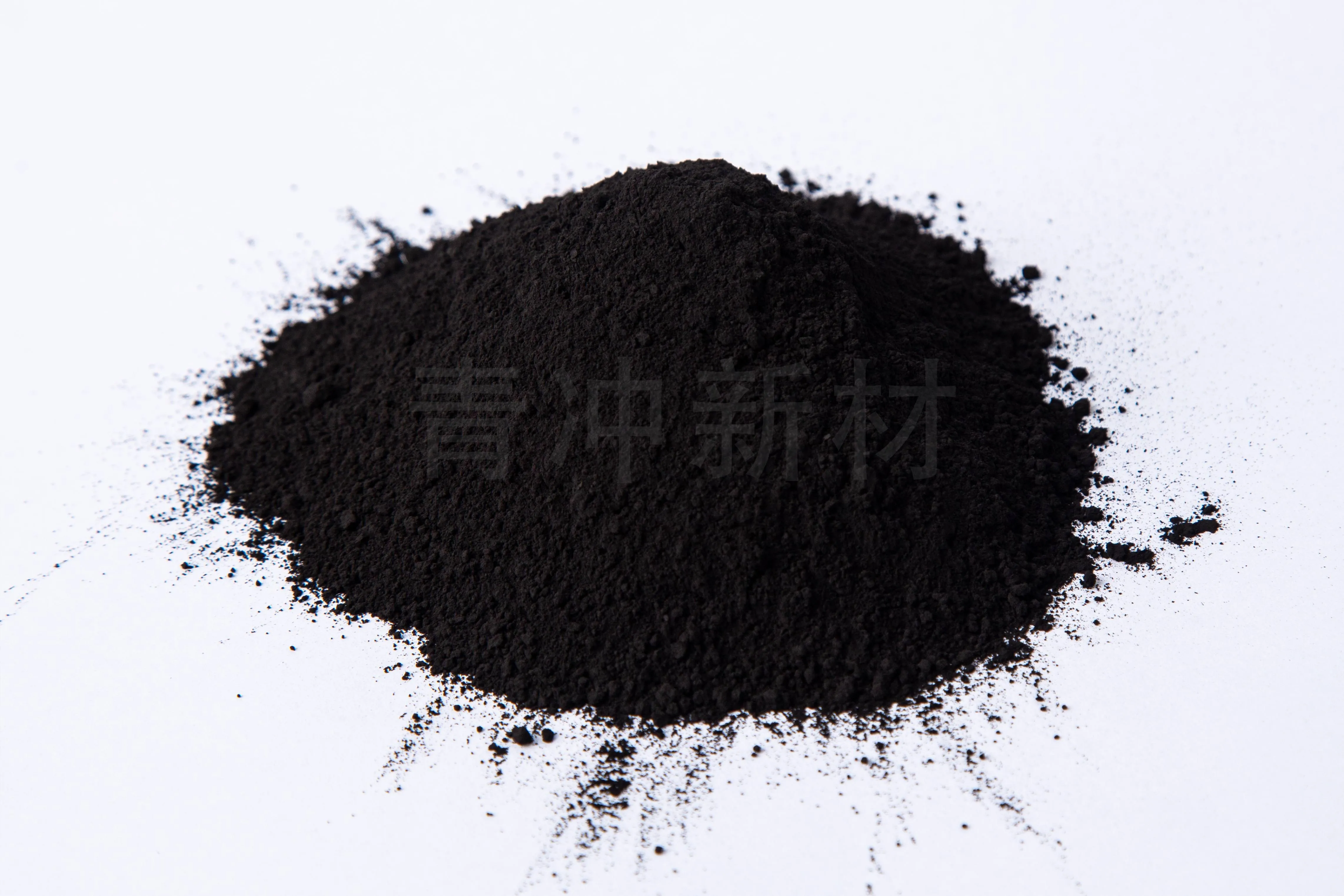
MnO₂ assay describes the reported amount of manganese dioxide under a specified analytical method. It should not be read as a complete account of everything else in the material: other constituents and the method’s calculation basis still matter. Impurity data answer a different question. A laboratory concerned about interference needs to know which elements or substances were tested, the reporting units, and whether a figure is a maximum limit or a measured batch result. Particle-size information, when relevant, describes physical form rather than chemical purity. Moisture or loss-on-drying results can also change how a weighed quantity is interpreted if a procedure assumes a dry basis. Units, detection limits, sample preparation and whether values are reported on a dry or as-received basis can affect comparisons between documents. The information supplied about QingChong establishes its manganese-chemical manufacturing background, but includes no product-specific values or analytical methods for electrolytic manganese dioxide reagent grade. Treat each requested parameter as a separate question until its definition and reporting conditions are documented; a single percentage cannot describe every property a laboratory may need.
Electrolytic Manganese Dioxide (EMD)

Match the Material to the Laboratory Method

Suitability depends on what the material will do in the procedure. If the laboratory is measuring trace constituents, an impurity near the method’s reporting range may matter even when the MnO₂ assay appears acceptable. If the procedure involves weighing a defined amount, check whether moisture and assay are expressed on compatible bases. Where a reaction has a specified mixing time or contact condition, physical form may affect reproducibility; the relevant particle characteristics should be discussed in terms of that procedure rather than assumed from the words “reagent grade.” Compare proposed limits with the method’s acceptance criteria and note any missing analytes. A result reported as “not detected” is difficult to assess without the detection or reporting limit. Likewise, two assay figures are not necessarily comparable if their methods or calculation bases differ. QingChong’s stated strict quality-control system is a reason to request documented results, not a substitute for reviewing them. Without a supplied QingChong product specification, this page cannot establish suitability for analytical testing, research synthesis or another laboratory use. The decision should rest on the intended procedure and verifiable limits for the material actually offered.

Electrolytic Manganese Dioxide (EMD)

Prepare a Specification Request That Can Be Checked

Send QingChong the full name electrolytic manganese dioxide reagent grade and describe the intended laboratory procedure. Attach the purchasing specification or method reference if one governs acceptance. State the minimum or acceptable range for MnO₂ assay, then list each impurity requiring a limit with its unit. Add any necessary requirements for particle characteristics or moisture, and say whether results must be reported on a dry or as-received basis. If your laboratory needs a particular analytical method, reporting limit or batch document, identify it explicitly. Ask which of these requirements appear on the offered product specification and which can be supported by batch-specific results. For any mismatch, request clarification before approving an alternative; do not assume that similar grade names indicate equivalent testing. QingChong integrates R&D, production and sales, so a technical inquiry can be framed around a defined set of acceptance criteria. No model numbers, available limits, minimum order quantity, lead time or custom formulation have been provided in the source information. Those details should remain open questions in the inquiry, with the final purchasing decision tied to the documents supplied for the proposed material.

News

Industry updates

Products

Production modules

Why Choose Us

Why Discuss Reagent-Grade Requirements with QingChong?

QingChong New Materials combines R&D, production and sales in its manganese-chemical business. For a buyer with a defined laboratory specification, that integrated background makes the company a relevant party to approach for a technical review. QingChong reports more than 20 years of industry experience and operates in the Xiangtan Manganese Mine area, an established manganese production base in China. It also states that it maintains a strict quality-control system. At the company level, QingChong passed ISO9001:2008 quality management system certification in July 2010 and was certified as a National High-tech Enterprise in September 2019. The company reports invention patents obtained in cooperation with local universities. Its multilingual website and stated global export capabilities may help international buyers communicate their requirements. None of these credentials, by itself, certifies a particular batch as reagent grade or replaces an agreed assay and impurity specification. The practical reason to engage QingChong is to put a precise requirement in front of a manganese-focused manufacturer, then assess the product documents and test results it provides against that requirement.

FAQ

Common technical questions

Is MnO₂ assay enough to compare two reagent-grade offers?

No. Compare the assay method and reporting basis, then review impurities relevant to your procedure. A higher stated assay does not resolve an unreported impurity or a difference in test conditions.

Can this material be used in a trace-analysis method?

That depends on the method’s interference limits and the offered batch’s documented impurity results. Request results for the specific substances your method monitors, including reporting limits where a result is listed as not detected.

How should I handle a batch that has formed clumps in storage?

Check the laboratory procedure and the material’s handling instructions before breaking up or using it. Clumping alone does not establish chemical suitability; if moisture or particle form affects the procedure, seek documented guidance and assess the batch against your acceptance criteria.

What should I send if our purchasing standard only says “reagent grade”?

Ask the laboratory to specify its required assay, relevant impurity limits, test methods and any physical-property criteria. Send those requirements with the intended use so the proposed material can be evaluated against more than a grade name.

Need a solution for your project?

Share your product type, target capacity, and application requirements. Our team can review the details and recommend a practical next step.

Contact Us
Whatsapp
WeChat

CONTACT US

Office Address:21/F,Zhonghan Fortune Building,Ji'an Road, Yuetang District,Xiangtan,Hunan,China

Factory Address: Heling Town, Yuhu District, Xiangtan City, Hunan Province, P.R.China

WhatsApp: 8613786275365

Fax: 86-731-52326088

E-mail: [email protected]