 EN
EN
 CN
CN
 fr
fr es
es ar
ar ru
ru de
de pt
pt tr
tr vi
vi it
it ja
ja ko
ko hi
hi
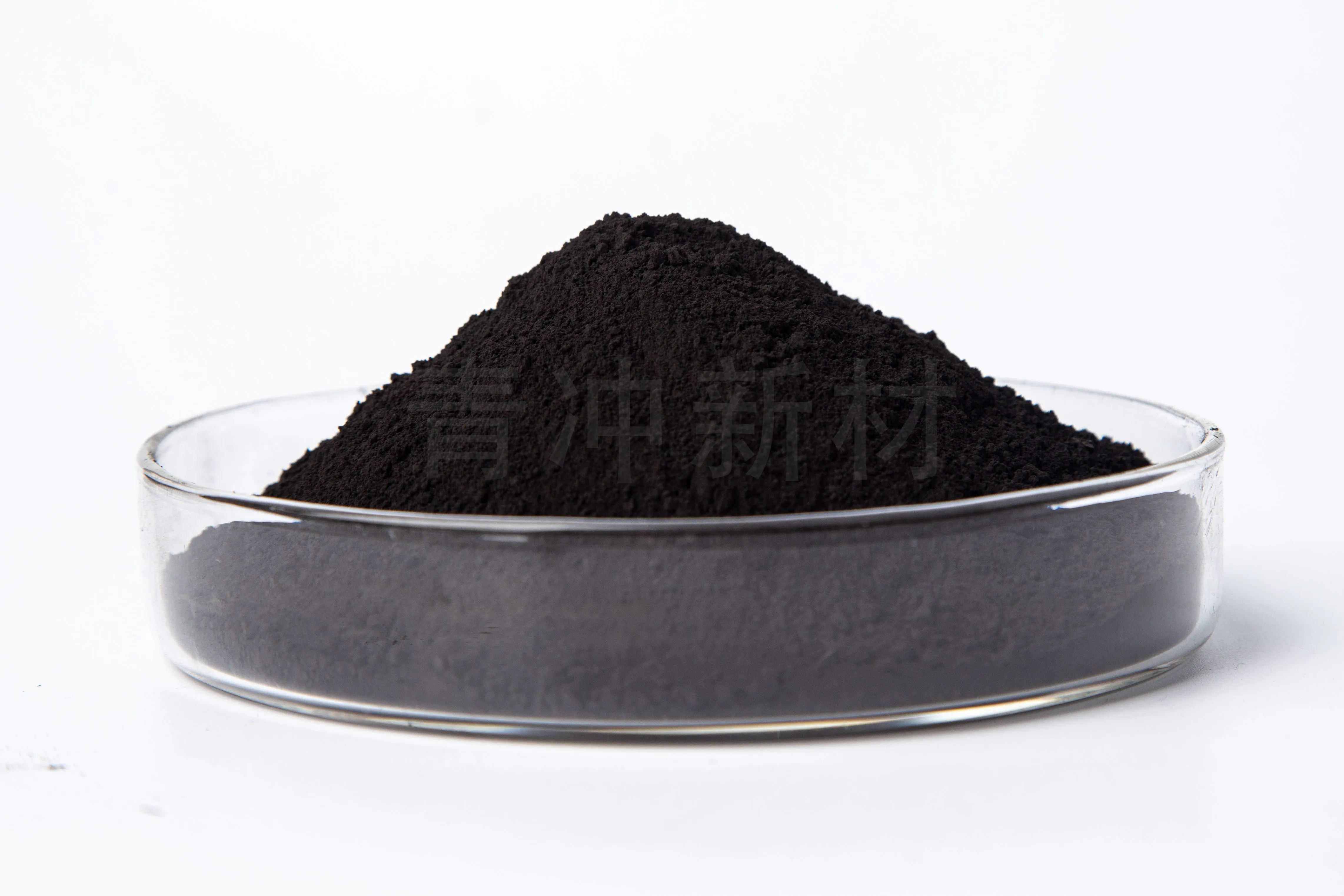
How the Electrolytic Route Builds EMD
At a basic level, the electrolytic manganese dioxide production process depends on controlling manganese ions in an aqueous electrolyte and converting them into manganese dioxide through an electrochemical reaction. A commercial line generally begins by preparing a manganese-bearing feed, followed by dissolution or leaching. The resulting solution is treated to reduce unwanted elements before entering the electrolysis stage. During electrolysis, electrical conditions and electrolyte chemistry influence deposition behavior, product structure, current efficiency, and consistency. The deposited manganese dioxide is then separated from the electrode surface or collection system and subjected to washing, drying, and physical processing. These stages are connected: insufficient purification can affect electrode behavior, while inconsistent washing or drying can change residual salts, moisture, and handling properties. QingChong New Materials has not supplied a detailed plant flow sheet, cell configuration, or operating window for this page. Therefore, buyers should treat the sequence above as a general industry framework and request the manufacturer’s actual process description when comparing suppliers or assessing technical compatibility.