productlist

Electrolytic Manganese Dioxide Function Explained

electrolytic manganese dioxide function

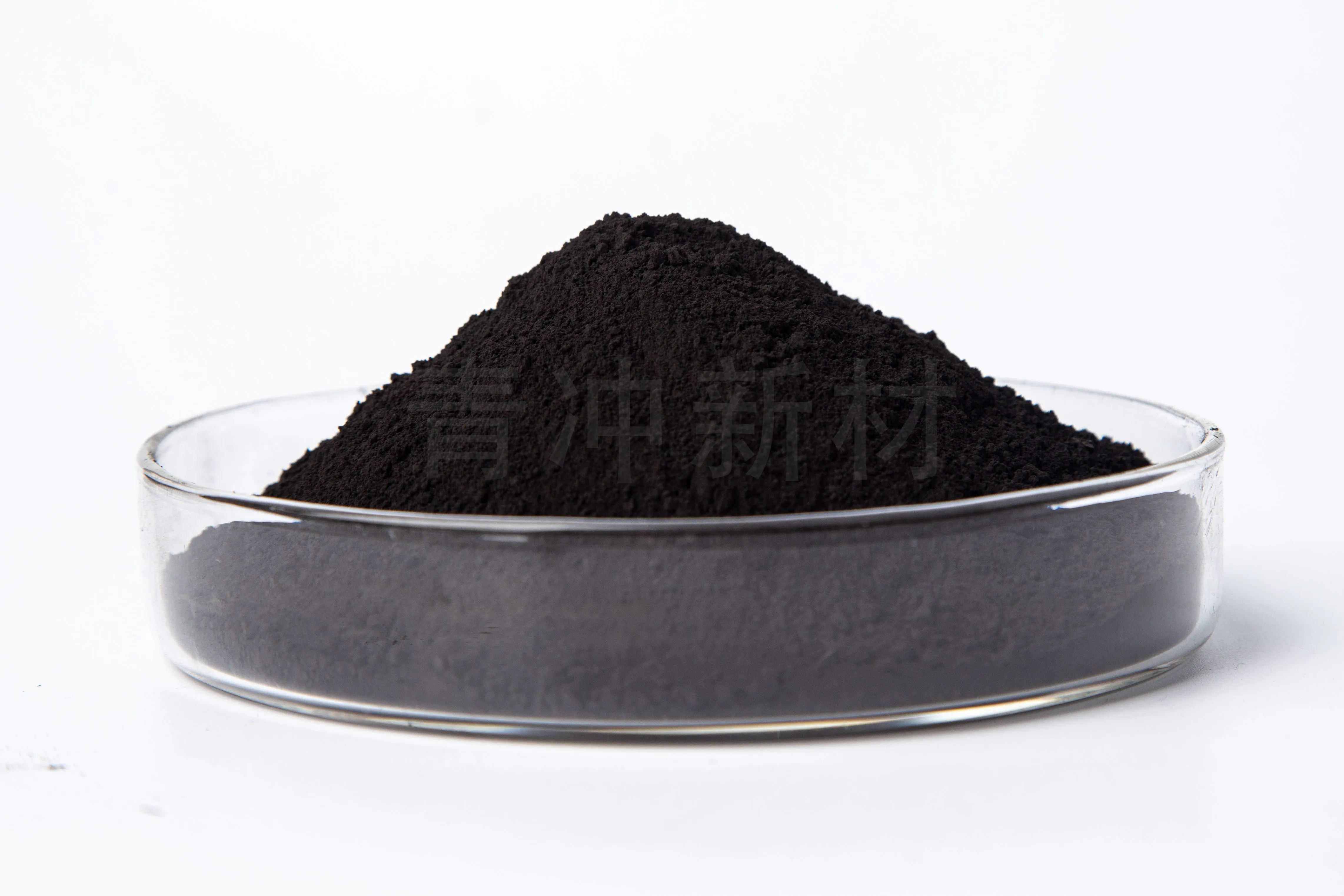
Electrolytic manganese dioxide (EMD) is a manufactured form of manganese dioxide used primarily as a cathode active material in batteries. Its function is to take part in the reduction reaction during discharge, allowing the cell to deliver electrical energy. That description is useful, but it does not mean every EMD material will perform the same way in every battery. Cell chemistry, electrode design and the material’s measured properties all matter. This page is for battery manufacturers, cathode-material processors and purchasing teams assessing manganese dioxide for a defined application. It explains what EMD does, where its suitability needs closer examination and which details to establish before requesting a quotation. QingChong New Materials is a Chinese manganese chemical manufacturer integrating research and development, production and sales. No EMD grade, specification sheet or supply commitment was provided for this page, so application-specific suitability should be confirmed directly with the company. A buyer’s first step is to identify the intended cell system and the tests used to accept its cathode material.

Technical Detail

Configured around process stability, mold life, and long-term uptime.

The commercial value of EMD depends on where it sits in a buyer’s production chain. A cell manufacturer may purchase it as a cathode active material, while a cathode processor may need material that can be incorporated into an electrode mixture and assessed against its own process controls. A distributor or sourcing team has a different task: matching a customer’s documented material requirements with a supplier’s verified grade information. These are distinct purchasing situations, even though each concerns the same basic material. EMD is commonly associated with alkaline and zinc-carbon battery production; its use in other battery systems depends on the cell design and specified material grade. For buyers, the word “function” therefore has two meanings. It describes EMD’s role in a cell, and it points to the performance their own product must demonstrate. Discharge behavior, processing compatibility and consistency cannot be established from the material name alone. QingChong New Materials brings more than 20 years of manganese-industry experience and operates in Xiangtan Manganese Mine, a major Chinese manganese production base. Its integrated R&D, production and sales structure provides a basis for discussing technical requirements alongside commercial sourcing questions. Those company facts do not establish that a particular EMD grade is available or qualified for a buyer’s battery. Request a current product specification and evaluate it against the intended cell design before making that determination.

Electrolytic Manganese Dioxide (EMD)

How EMD Participates in Battery Discharge

In a battery cathode, manganese dioxide is an active material rather than simply a filler or colorant. During discharge, it accepts electrons through a reduction reaction while the other electrode undergoes oxidation. The electrolyte and cell construction provide the environment in which those reactions proceed. In an alkaline manganese cell, the reduction of MnO2 is commonly described in terms of its conversion toward manganese oxyhydroxide, MnOOH. This account explains EMD’s electrochemical role, but a complete cell contains other components that affect how much of the active material can be used. The word “electrolytic” describes how EMD is produced: manganese dioxide is deposited electrochemically and then processed into material suitable for further use. It does not mean the finished powder acts as the cell’s electrolyte. That distinction can prevent a basic specification error when a purchasing team reviews a bill of materials. QingChong’s business focuses on manganese chemicals, with R&D and production within the same organization. For a technical discussion with its team, identify the battery chemistry first; the relevant discharge mechanism and material tests follow from that choice, not from the EMD name alone.
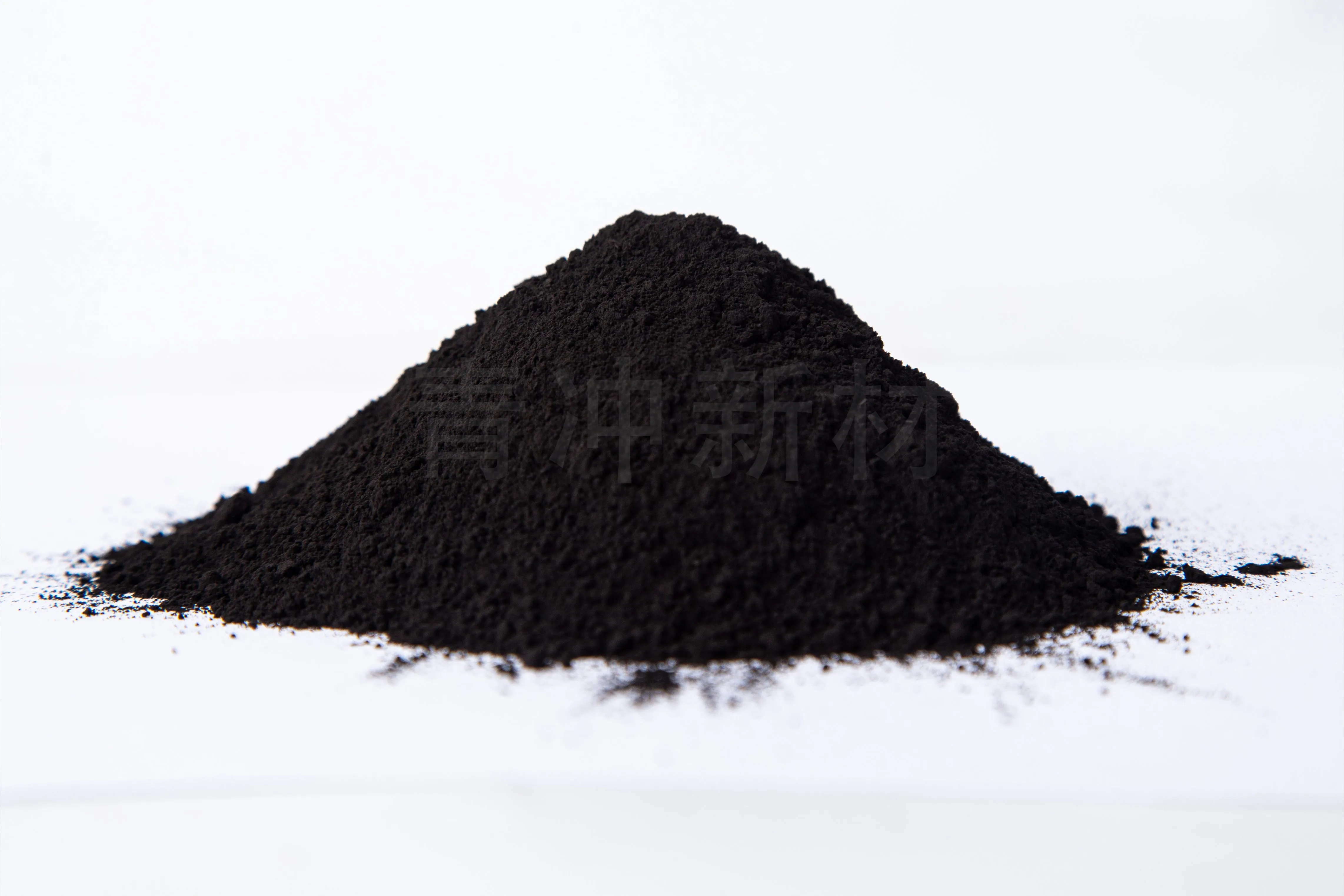
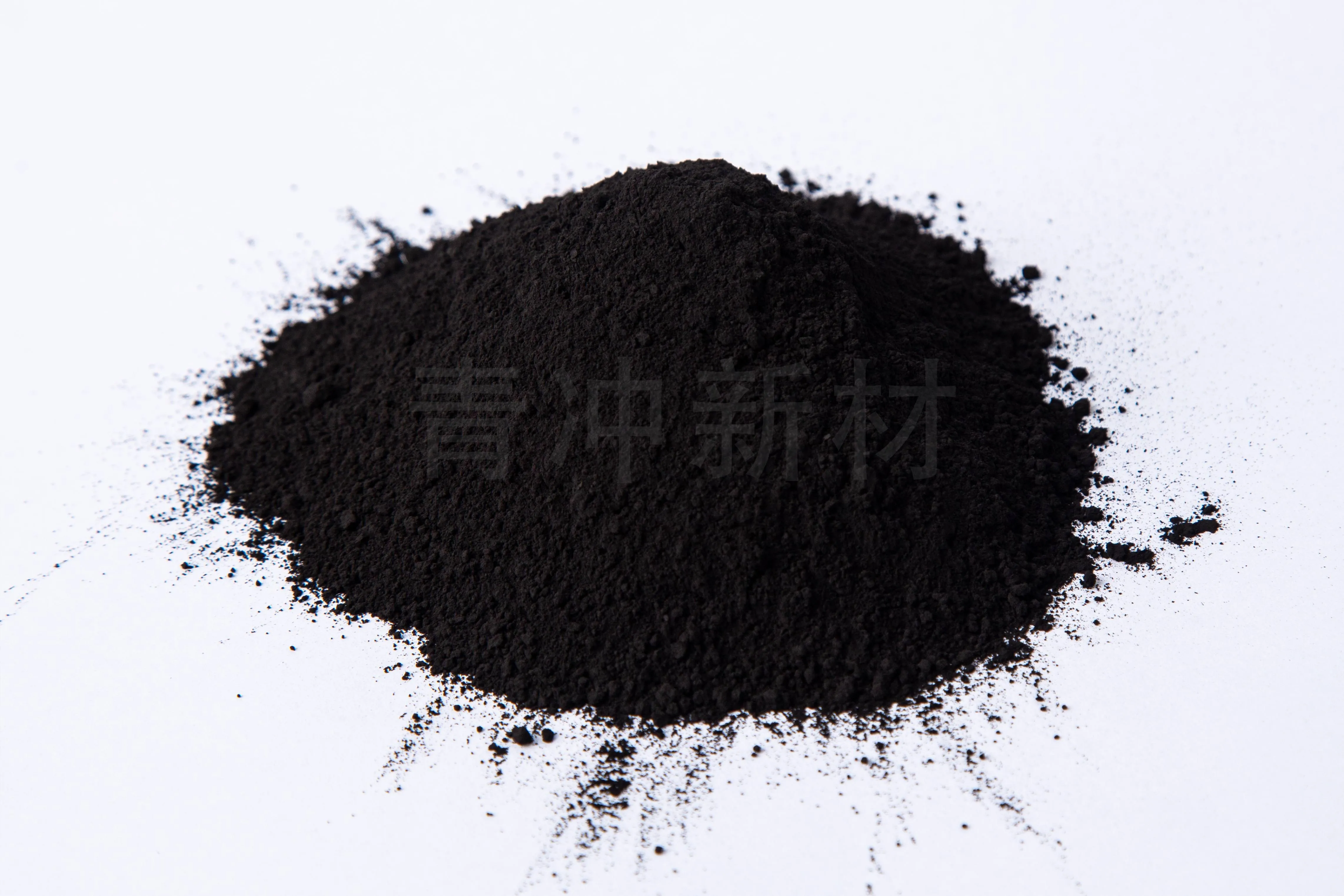
Electrolytic Manganese Dioxide (EMD)

Check Whether the Material Fits the Cell and Process

An EMD sample should be judged under the conditions in which the buyer intends to use it. Start with the cell chemistry and electrolyte: a result from one battery system should not be treated as proof of performance in another. Then consider how the cathode is made. Powder handling, electrode mixing and the finished electrode’s behavior can all affect whether a material that looks acceptable on a certificate works in production. Intended discharge conditions also matter. A buyer evaluating a particular load profile needs test results that reflect that profile rather than a broad claim about battery performance. The principal limitation is the absence of a supplied EMD grade sheet here. This page cannot verify particle-size distribution, impurity limits, moisture, discharge capacity or other grade-specific figures for QingChong material. It also cannot establish compatibility with an existing formulation. QingChong describes a strict quality control system, but buyers still need the actual test methods, limits and lot documentation applicable to the material offered. If a process has narrow incoming-material tolerances, ask for the proposed grade’s specification and assess samples using the same controls applied to current production material.

Electrolytic Manganese Dioxide (EMD)

Prepare a Useful EMD Specification Request

A productive enquiry begins with the buyer’s requirements, not a request for “battery-grade EMD” alone. State the intended battery chemistry, cathode-manufacturing method and whether the material is for development, qualification or established production. Attach the current purchasing specification if one exists. If it does not, describe the acceptance tests your team can perform and the results that would determine whether a candidate is worth further evaluation. Ask QingChong which EMD grades, if any, it currently offers for that application, and request the corresponding specification sheet and test methods. Confirm which properties are reported for each lot, how samples would be identified and what documentation would accompany a proposed supply. Commercial discussions can then refer to a defined material rather than a generic product name. For a cross-border enquiry, include the destination market and any documentation requirements your organization must meet. QingChong operates a multilingual website and has global export capabilities, but that does not establish the availability of a particular grade, document or shipment route. Confirm those points directly before treating an offer as suitable for qualification or purchase.

News

Industry updates

Products

Production modules

Why Choose Us

Why Discuss Battery-Material Requirements With QingChong

QingChong New Materials has a practical starting point for technical sourcing conversations: it combines manganese-chemical R&D, production and sales within one company. Its location in Xiangtan Manganese Mine, a major manganese production base, and more than 20 years of industry experience give buyers context for its manufacturing focus. The company also describes a strict quality control system, which is relevant when a buyer needs to compare a proposed material with an incoming-inspection plan. Quality-system history should be read precisely. QingChong passed ISO9001:2008 Quality Management System certification in July 2010; that date and standard do not, by themselves, verify a current certificate. It was certified as a National High-tech Enterprise in September 2019 and has obtained multiple invention patents in cooperation with local universities. For overseas buyers, its multilingual website and export capabilities may make the initial technical exchange easier. None of these credentials substitutes for a current EMD specification or application testing. The strongest reason to begin a discussion is the opportunity to put a defined battery-material requirement in front of a manganese-focused manufacturer and ask for verifiable grade information.

FAQ

Common technical questions

Is EMD the same as natural manganese dioxide?

No. EMD is produced by an electrolytic process, while natural manganese dioxide is mined. Their measured properties and suitability for a specific cathode should be compared using the buyer’s specification and cell tests, not the shared MnO2 name.

Can I use one EMD grade for both alkaline and zinc-carbon batteries?

Do not assume so. Both battery types may use manganese dioxide, but formulations and acceptance requirements can differ. Ask for the proposed grade’s specification and test it in each intended cell design.

What should we check if cathode mixing changes during a trial?

Compare the trial material with your established incoming checks and processing records. Record the mixing method and observed behavior, then review relevant powder properties with the supplier before changing the formulation or process.

Which figures should I request when comparing EMD offers?

Request the actual grade specifications, associated test methods and lot documentation. Compare only results measured on a consistent basis, then use your battery tests to determine whether any difference matters in the finished cell.

Need a solution for your project?

Share your product type, target capacity, and application requirements. Our team can review the details and recommend a practical next step.

Contact Us
Whatsapp
WeChat

CONTACT US

Office Address:21/F,Zhonghan Fortune Building,Ji'an Road, Yuetang District,Xiangtan,Hunan,China

Factory Address: Heling Town, Yuhu District, Xiangtan City, Hunan Province, P.R.China

WhatsApp: 8613786275365

Fax: 86-731-52326088

E-mail: [email protected]