productlist

Electrolytic Manganese Dioxide for Button Cell Battery

electrolytic manganese dioxide for button cell battery

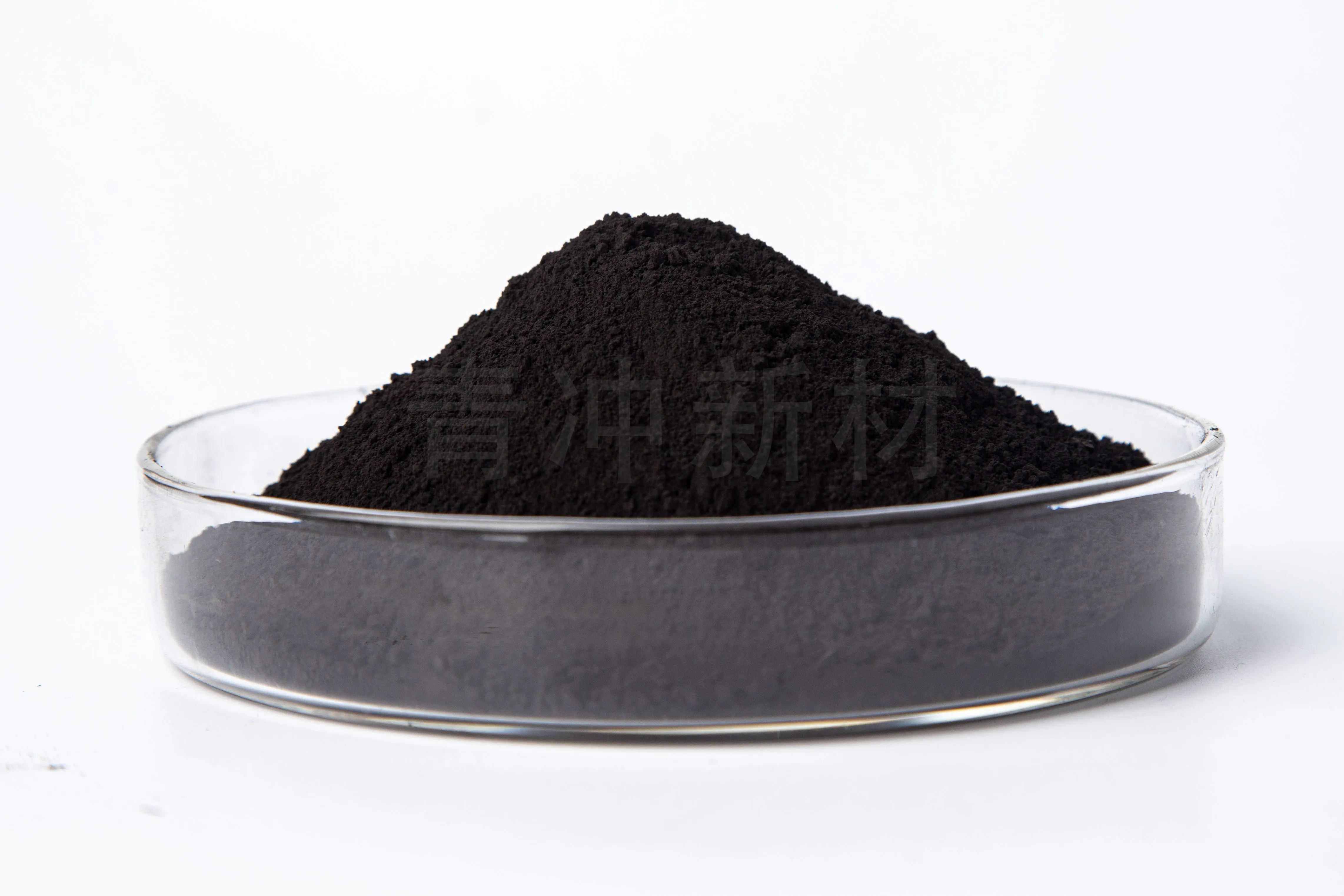
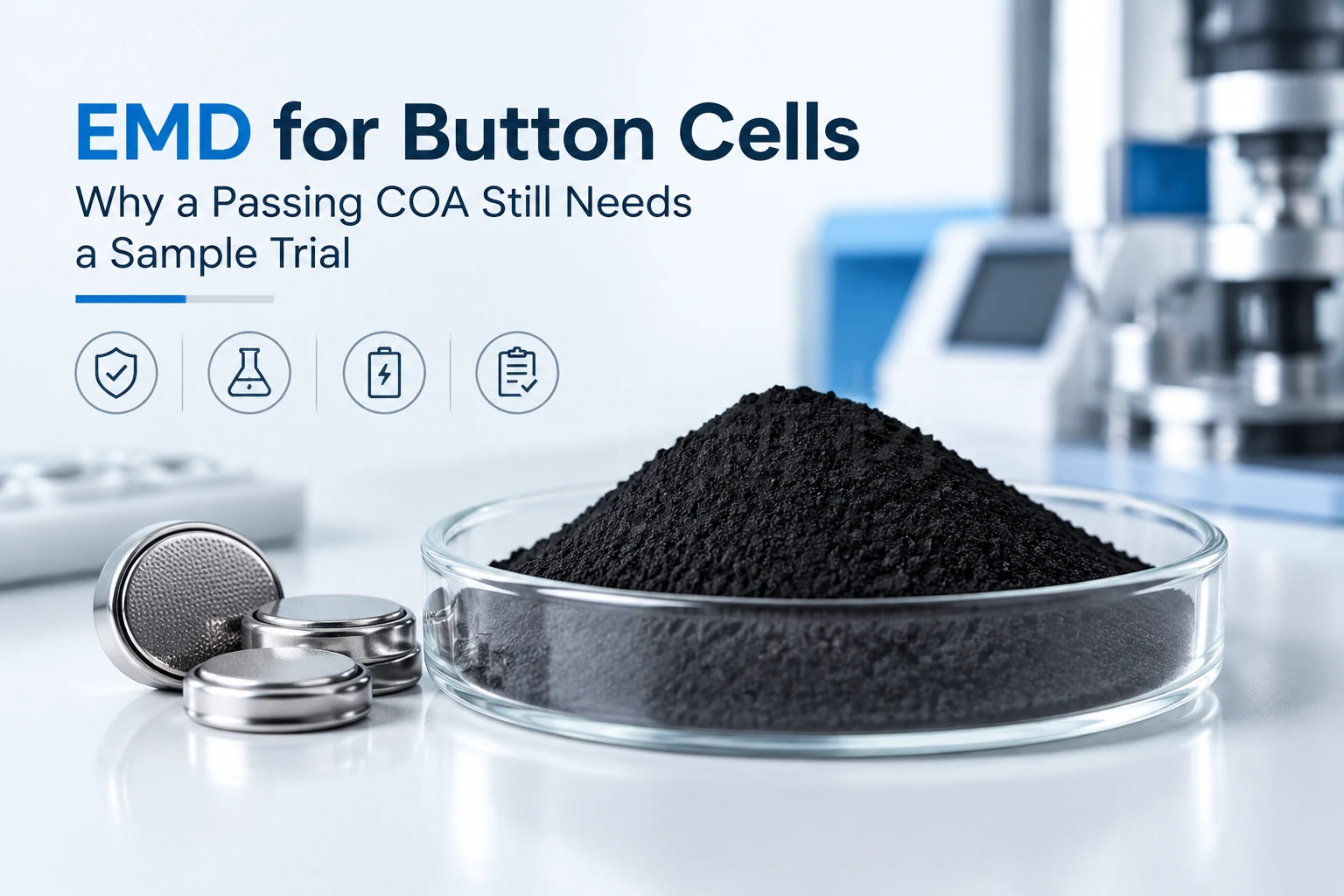
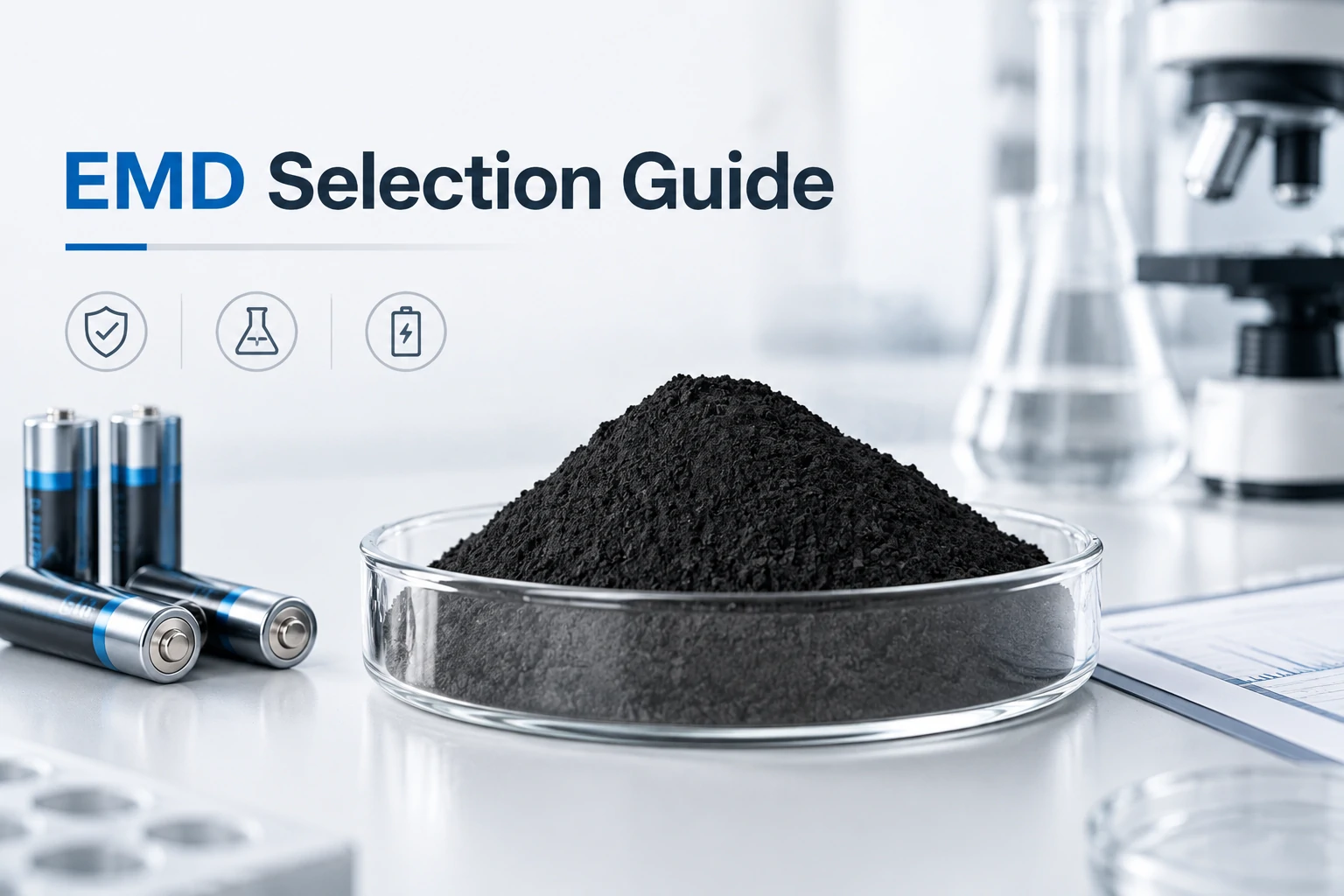
Button cells have little room for variation: electrode materials must suit the cell’s chemistry, dimensions, and intended discharge profile. Electrolytic manganese dioxide for button cell battery production is used as a cathode active material in applicable primary-cell chemistries, but the keyword alone does not define a suitable grade. The right assessment depends on the battery design and the material’s verified specifications. QingChong New Materials is a Chinese manganese chemical manufacturer integrating research and development, production, and sales. Based in Xiangtan, a major manganese production area, the company brings more than 20 years of industry experience to manganese chemical supply. For battery manufacturers evaluating electrolytic manganese dioxide, a useful first step is to compare the requested material specification with the cell’s composition and operating requirements. QingChong’s quality-focused approach and global export capabilities support technical discussions with buyers, while specific grade data should be confirmed directly rather than assumed from a general product description.

Technical Detail

Configured around process stability, mold life, and long-term uptime.

Electrolytic manganese dioxide for button cell battery use is a material-selection question as much as a sourcing query. Button cells are compact, and the cathode material must be compatible with the chosen cell chemistry and manufacturing process. QingChong New Materials manufactures manganese dioxide and manganese compounds, with research and development, production, and sales integrated within its operations. The company is located in Xiangtan, one of China’s important manganese production bases, and has more than 20 years of industry experience. Its stated quality framework includes ISO 9001:2008 Quality Management System Certification, passed in July 2010, and recognition as a National High-tech Enterprise in September 2019. These credentials describe the company’s management and technology background; they do not, by themselves, establish a particular battery-grade specification or certify a material for a specific button-cell design. No product datasheet, purity value, particle-size range, moisture limit, or electrochemical test result has been provided for this page. Buyers should therefore confirm the exact grade and supporting test documentation before treating it as suitable for production. Share the target chemistry, cell format, and required material specification with QingChong to establish whether the available material information matches your application. This keeps qualification grounded in documented requirements rather than assumptions based on the product name.

Electrolytic Manganese Dioxide (EMD)

How EMD Functions in a Button-Cell Cathode

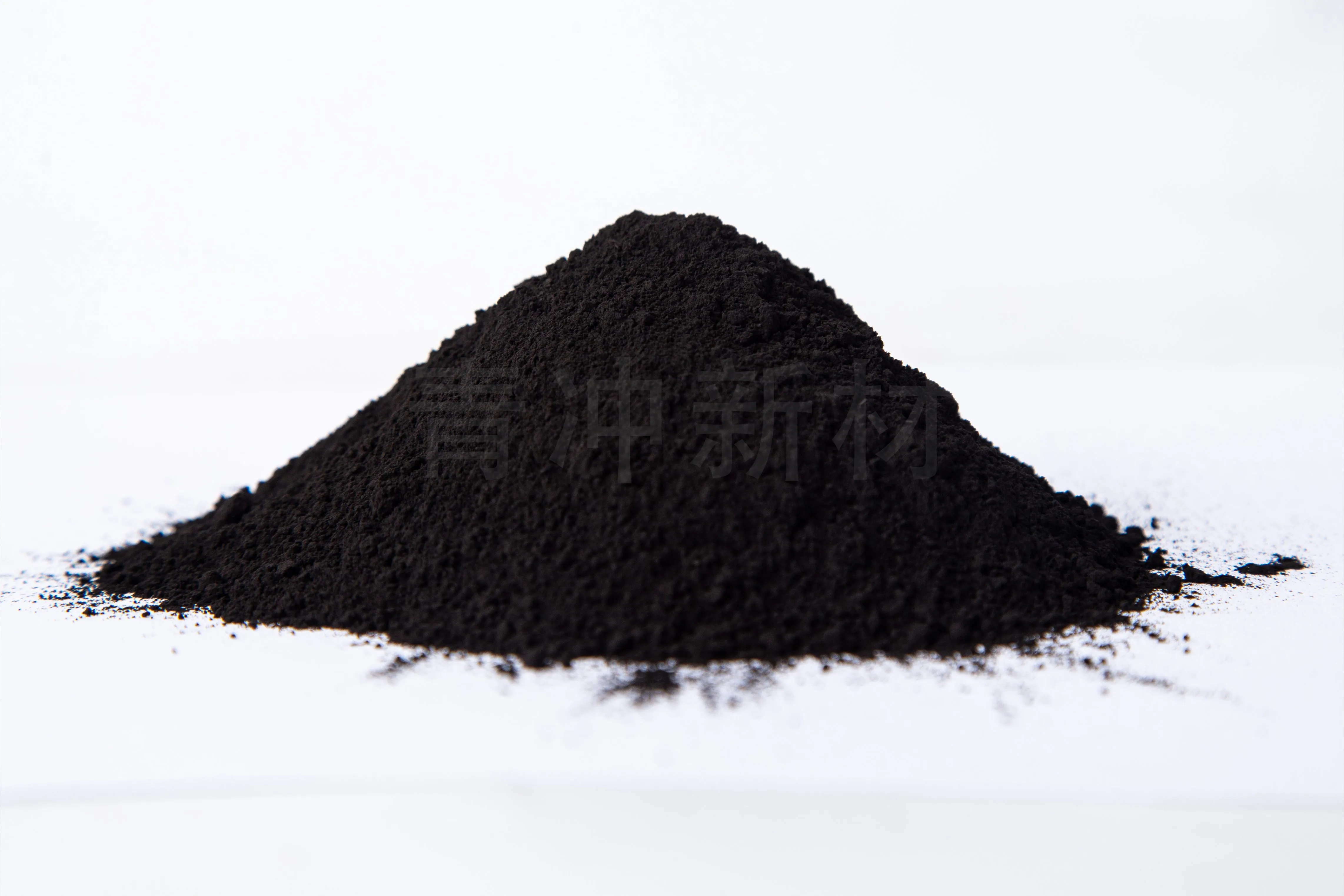
Electrolytic manganese dioxide, commonly abbreviated EMD, is produced through an electrolytic process and is used as a cathode active material in certain primary battery systems. In a button cell, its role depends on the cell chemistry: the cathode material participates in the cell’s electrochemical reactions as the battery supplies power. The material cannot be assessed independently of the rest of the design. Anode selection, electrolyte, electrode formulation, and cell construction all affect whether a given manganese dioxide grade is appropriate. This is why a general reference to “button cell battery” is not enough to establish compatibility. QingChong New Materials identifies manganese dioxide and manganese compounds as its manufacturing focus and integrates R&D with production and sales. However, no technical datasheet for a button-cell EMD grade was included in the supplied information. Buyers should request product-specific composition and test data before making claims about electrochemical performance. A supplier discussion can clarify which documented properties are available for review and whether they correspond to the intended cell chemistry. Treat EMD as one qualified component in a complete battery design, not as a drop-in material whose suitability can be inferred from its name alone.
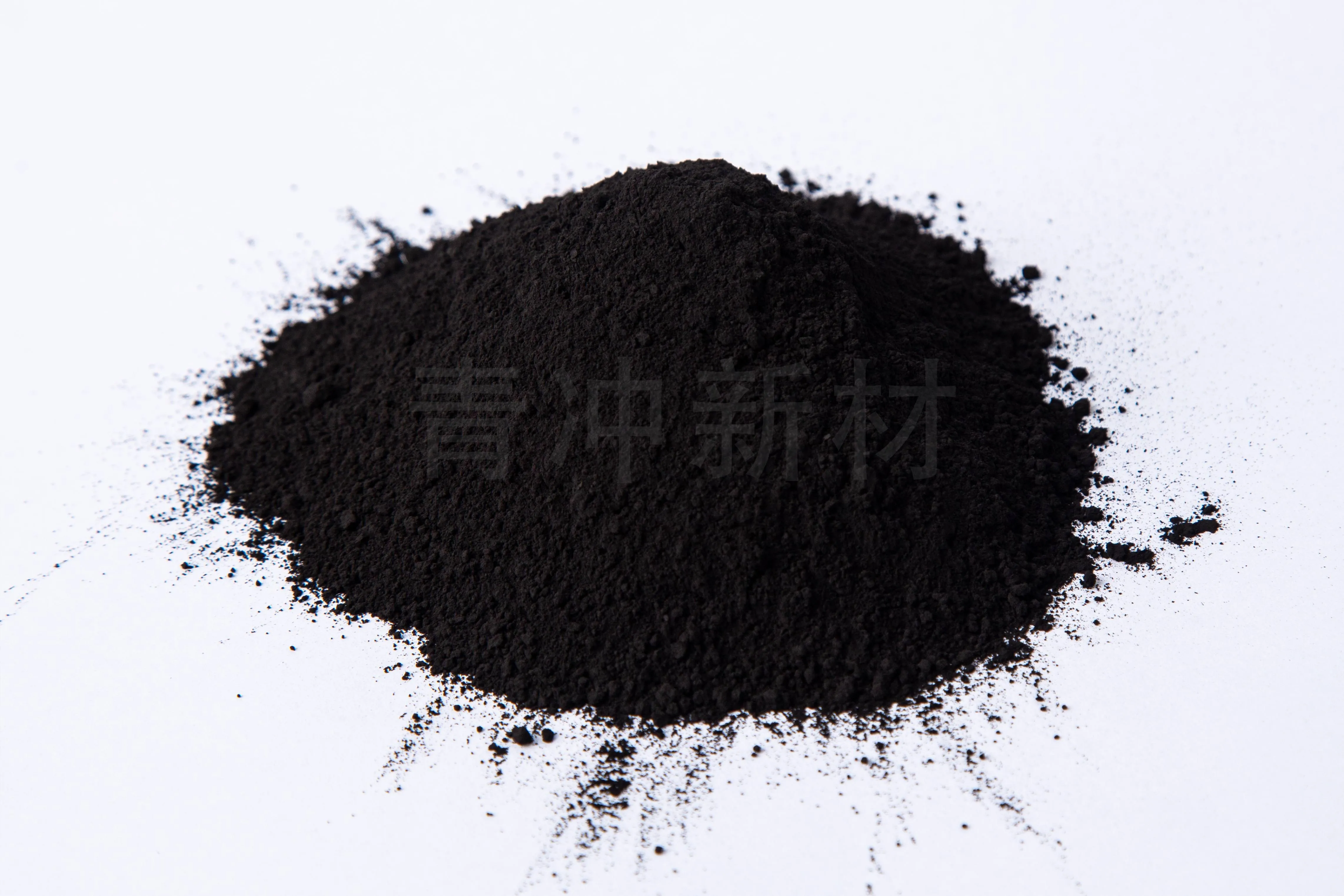
Electrolytic Manganese Dioxide (EMD)

Check Cell Chemistry and Operating Conditions Before Qualification

A button cell may be used in a low-drain memory backup, a small electronic device, or another compact application, but intended use alone does not determine whether a particular EMD grade will work. Start by identifying the exact cell chemistry and the material requirements set by the battery design. Then consider the expected discharge pattern, storage and operating temperatures, electrode formulation, and production process. These conditions matter because a mismatch between the material specification and the cell design may lead to inconsistent production results or performance that does not meet the manufacturer’s targets. The supplied information does not state QingChong’s EMD grade limits, temperature range, or button-cell application test results, so those must be confirmed rather than presumed. Ask whether the available grade has been evaluated against the relevant chemistry and what test methods support the reported values. If the use case involves demanding temperature exposure or a different discharge profile from an existing design, do not assume that qualification transfers automatically. A controlled review of documented specifications and cell-level validation provides a clearer basis for judging fit than relying on a broad application label.

Electrolytic Manganese Dioxide (EMD)

Prepare a Practical EMD Qualification Request

Before requesting a quotation or technical review, assemble information that lets the supplier assess the application without guessing. Include the button-cell chemistry, cell format, current material specification, and the properties your engineering team treats as acceptance criteria. Add relevant manufacturing conditions and any test protocol used to qualify cathode materials. Ask QingChong New Materials for the available grade documentation, including which properties are measured and how results are reported. The supplied company information confirms integrated R&D, production, and sales, but it does not list a specific EMD grade, customization options, or product test values. Those details should be verified directly. Compare the documentation with your own specification line by line; where a value or method is missing, mark it for clarification rather than treating it as compliant. If the material is being considered as a replacement for an incumbent source, plan a sample and cell-level evaluation under your established process before approving production use. This request structure helps purchasing and engineering teams work from the same requirements and reduces the risk of choosing material based only on a generic product name.

News

Industry updates

Products

Production modules

Why Choose Us

A Manganese Manufacturer with Integrated Operations

QingChong New Materials brings more than 20 years of manganese-industry experience from Xiangtan, a major manganese production base in China. Its business integrates R&D, production, and sales, giving buyers a direct route to discuss technical documentation and supply requirements with a manufacturer focused on manganese dioxide and related compounds. The company reports a strict quality control system and holds ISO 9001:2008 Quality Management System Certification, passed in July 2010. It was also certified as a National High-tech Enterprise in September 2019 and reports multiple invention patents obtained in cooperation with local universities. For international procurement teams, the company’s multilingual website supports 14 languages, reflecting an established focus on global markets. These company credentials provide context for supplier assessment, but they do not replace qualification of a specific electrolytic manganese dioxide grade for button-cell production. Buyers should request current product documentation and assess it against their own technical and quality requirements. QingChong’s stated principles—quality as the foundation of enterprise survival and integrity as the foundation of development—align with a documentation-led supplier review in which specifications, test evidence, and application fit are confirmed before approval.

FAQ

Common technical questions

What material data should I compare when reviewing EMD suppliers for button cells?

Compare the properties named in your battery specification and check that each supplier reports them using a clear test method. The information provided for QingChong does not include grade-specific values such as purity, particle size, or moisture, so request the current datasheet and supporting test records before comparing offers.

Can electrolytic manganese dioxide be used in every button-cell chemistry?

No. Suitability depends on the cell chemistry and electrode design. Confirm that the EMD grade is intended for the chemistry under review, then validate it using your established cell testing process. The supplied information does not identify a specific QingChong grade or list qualified chemistries.

How should a battery maker evaluate a new EMD material in production?

Use your existing material acceptance criteria and qualification protocol. Review the supplier’s product documentation first, then conduct sample and cell-level testing under the relevant manufacturing conditions. Do not approve production use based only on the generic term “electrolytic manganese dioxide.”

Does QingChong provide a specific button-cell EMD grade or customization?

The available company information describes manganese dioxide and compound manufacturing, but does not specify a button-cell grade or customization capability for this material. Ask QingChong directly which grades and documentation are currently available for your chemistry and requirements.

Need a solution for your project?

Share your product type, target capacity, and application requirements. Our team can review the details and recommend a practical next step.

Contact Us
Whatsapp
WeChat

CONTACT US

Office Address:21/F,Zhonghan Fortune Building,Ji'an Road, Yuetang District,Xiangtan,Hunan,China

Factory Address: Heling Town, Yuhu District, Xiangtan City, Hunan Province, P.R.China

WhatsApp: 8613786275365

Fax: 86-731-52326088

E-mail: [email protected]