 EN
EN
 CN
CN
 fr
fr es
es ar
ar ru
ru de
de pt
pt tr
tr vi
vi it
it ja
ja ko
ko hi
hi
How EMD Functions in an AAA Cell Cathode
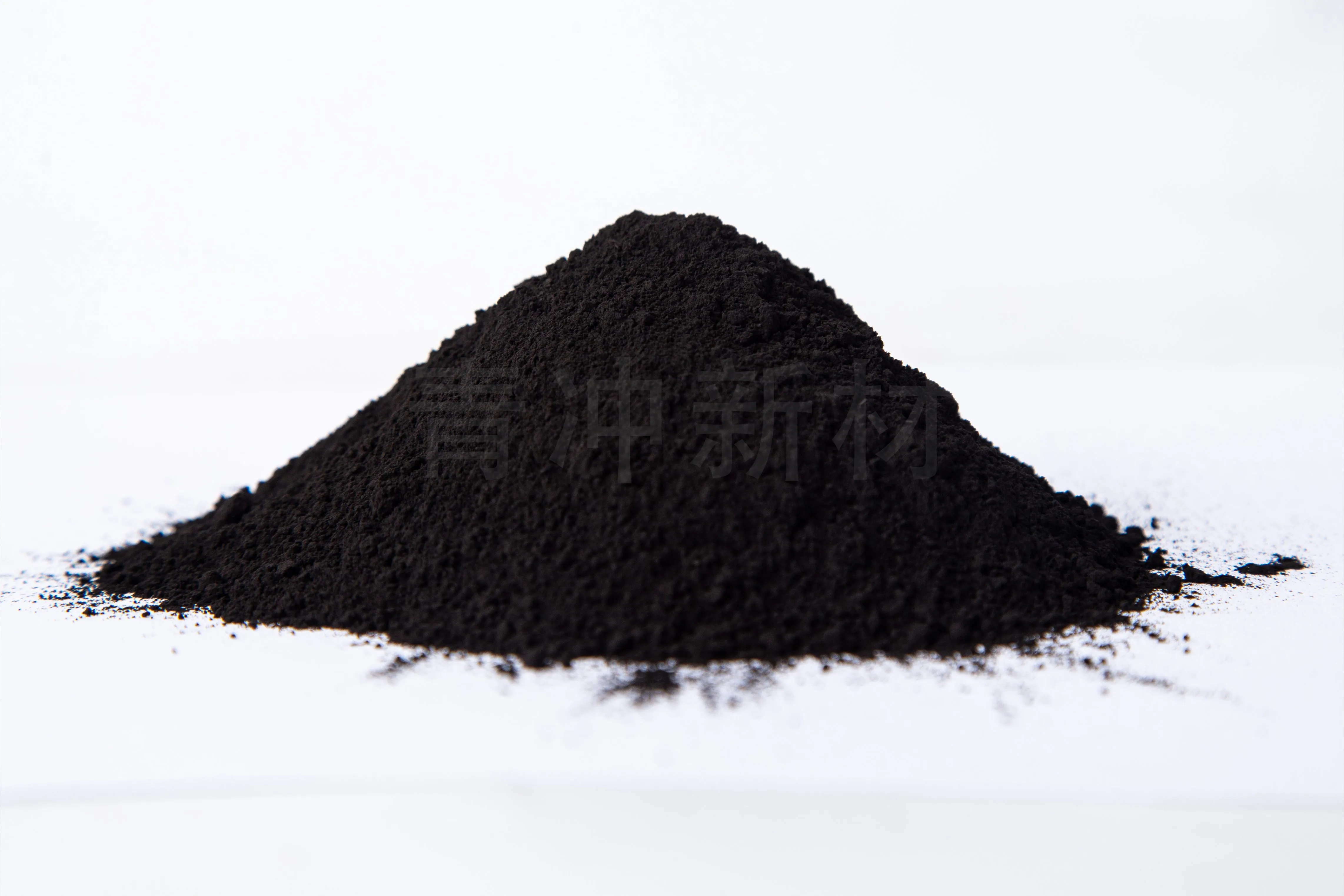
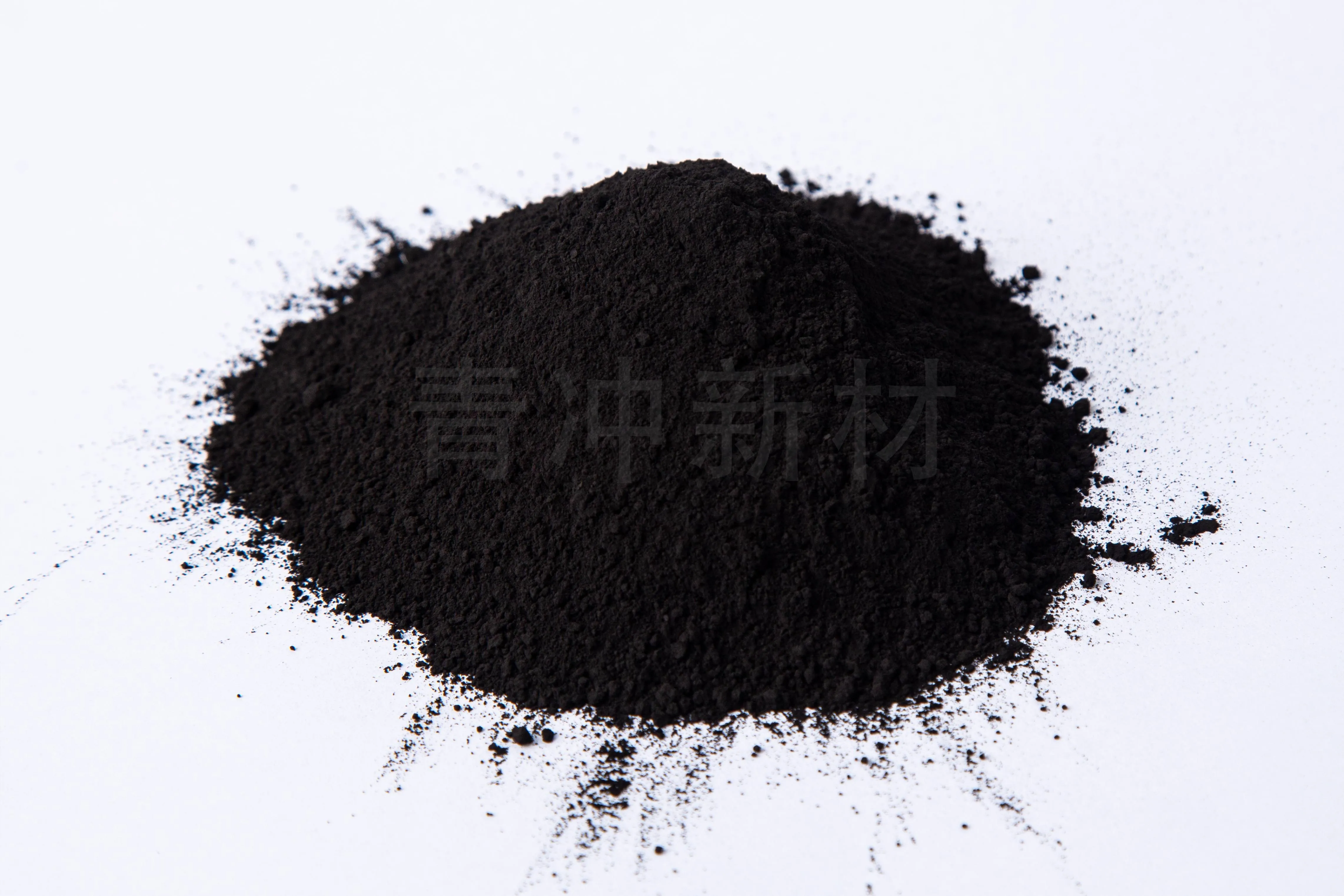
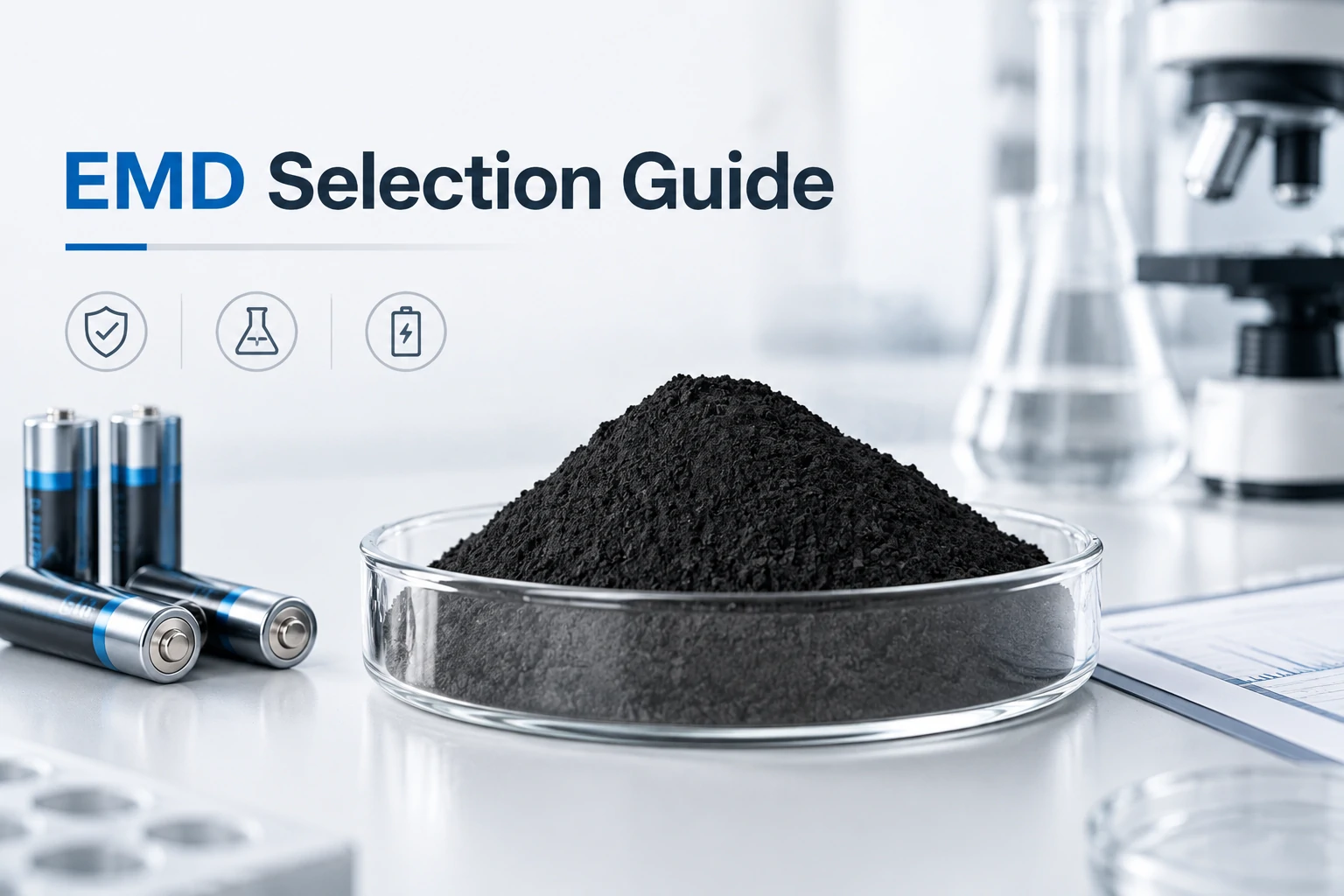
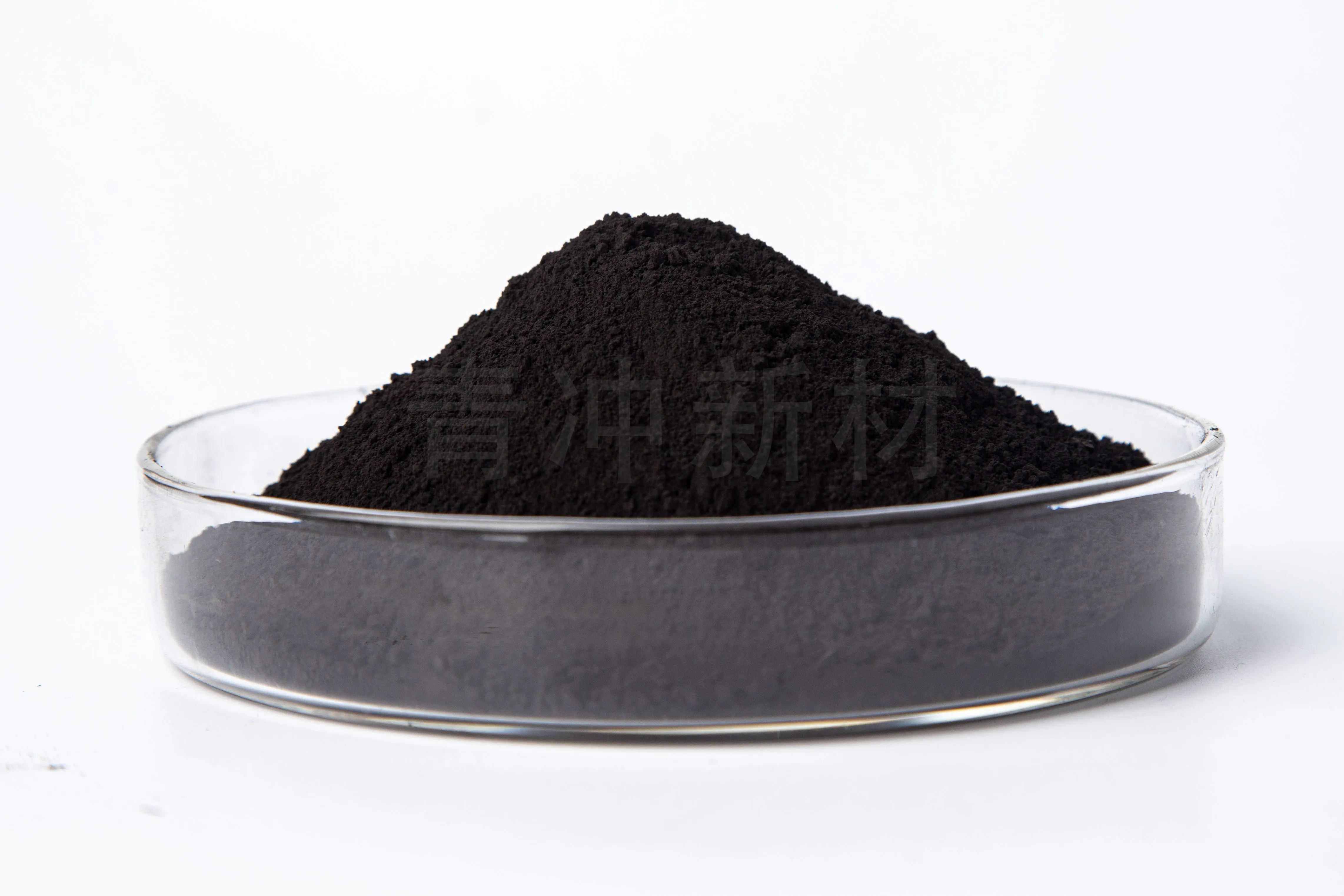
Electrolytic manganese dioxide, commonly abbreviated as EMD, is used as the active manganese dioxide component in many primary battery cathodes. During discharge, the cathode material participates in the electrochemical reaction with the cell’s anode and electrolyte. In an AAA cell, the material is not evaluated in isolation: its behavior depends on the cathode recipe, conductive additives, binder or forming method, electrolyte, separator, and discharge profile. This is why the phrase “for AAA cell” describes an application target, not a complete specification. A suitable EMD grade normally needs to be examined through both material data and trial-cell results. Relevant data may include chemical composition, moisture, physical characteristics, and electrochemical performance, but QingChong’s supplied information does not state values for these items. The manufacturer’s integrated R&D, production, and sales model can support a technical discussion around the intended formulation. Buyers should ask for the current grade documentation and clarify whether the proposed material is intended for alkaline, zinc-carbon, or another AAA cell chemistry before drawing conclusions.