productlist

Ceramic Electrolytic Manganese Dioxide for Ceramic Buyers

ceramic electrolytic manganese dioxide

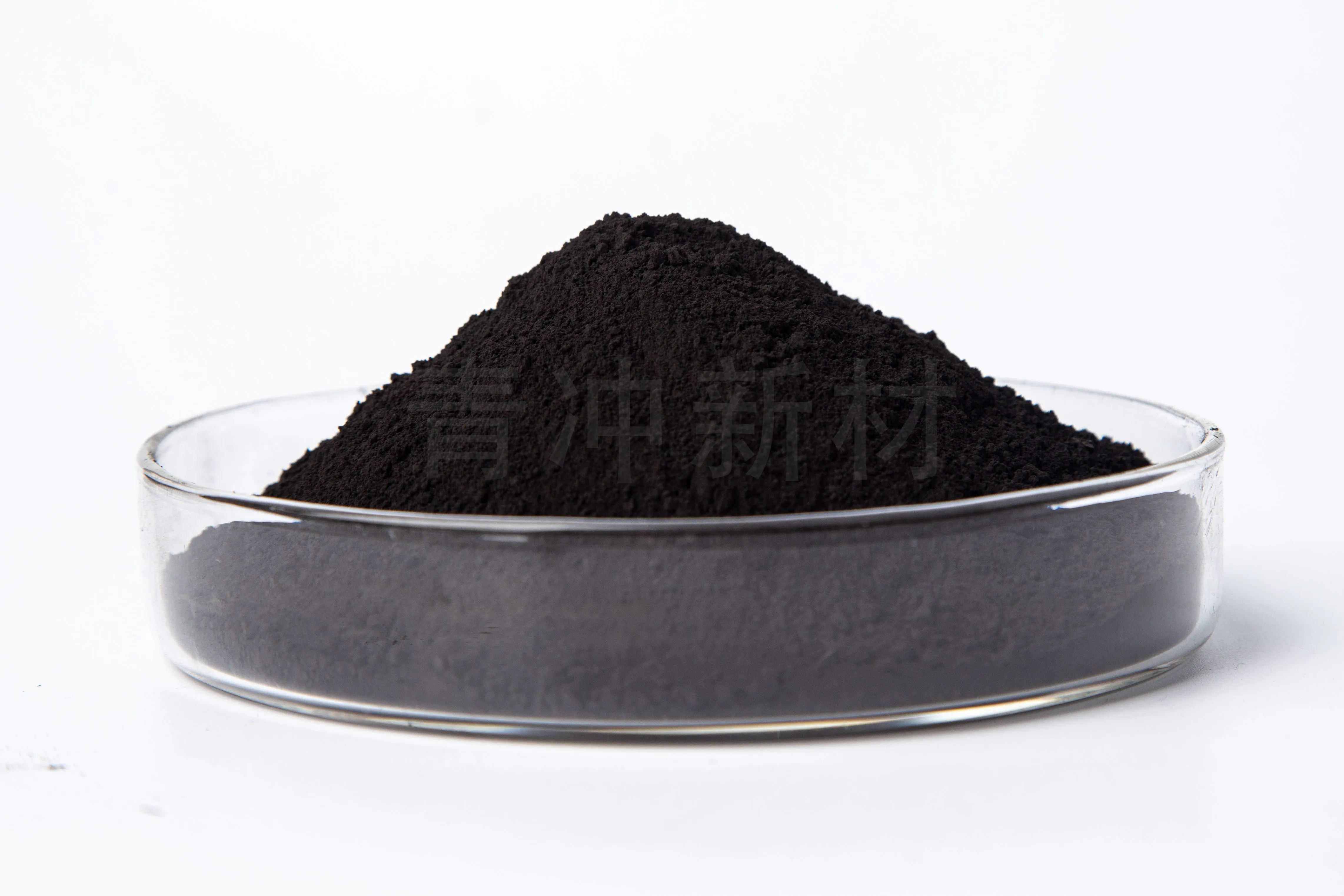
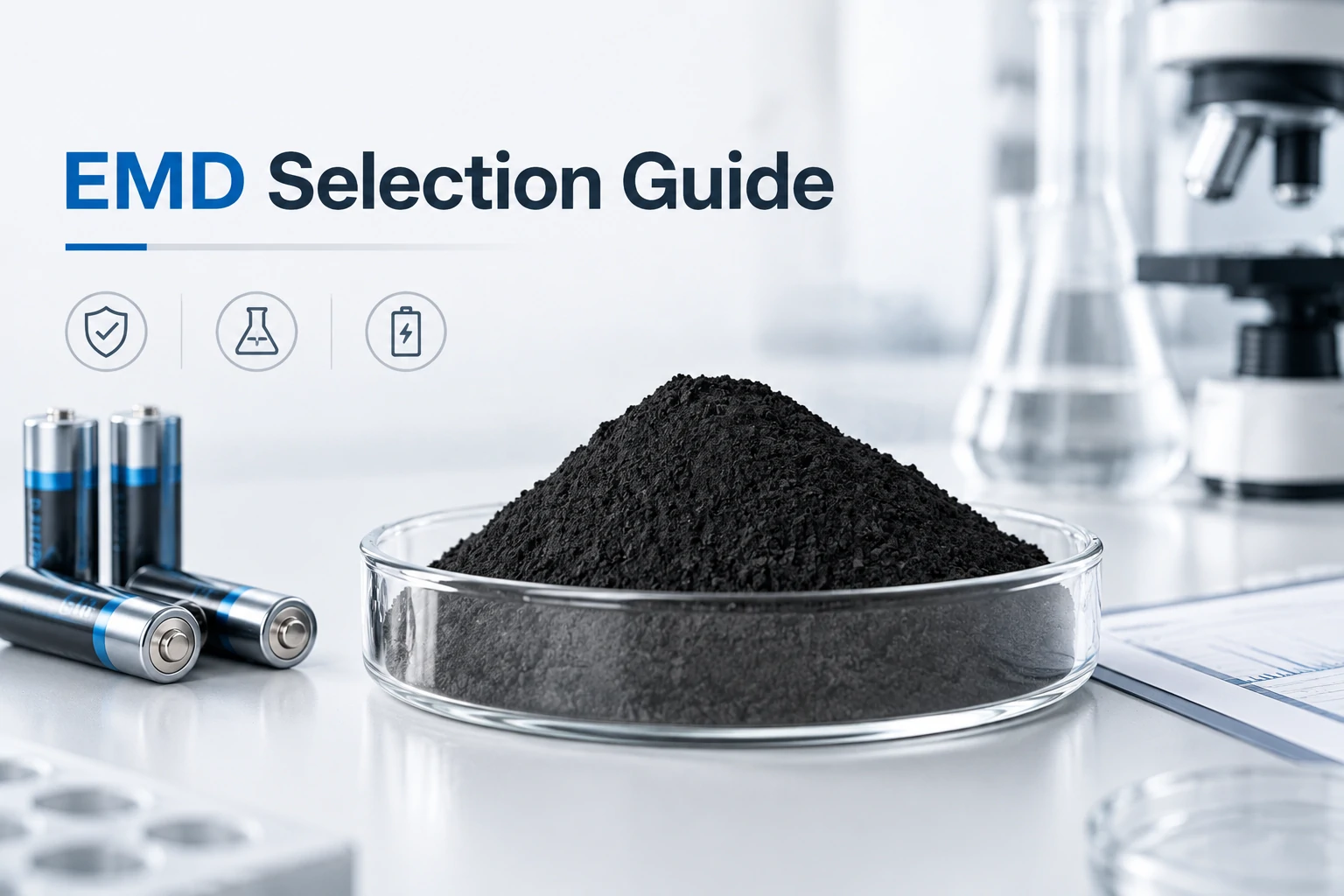
A ceramic buyer searching for ceramic electrolytic manganese dioxide is usually trying to answer a practical question: will this material behave consistently in a particular body, glaze, or firing process? Electrolytic manganese dioxide, often shortened to EMD, is manganese dioxide produced through an electrolytic process. The search term identifies a material of interest, but it does not establish a ceramic grade or guarantee a particular fired result. Those points need evidence from the material offered and trials in the buyer’s own formulation. QingChong New Materials is a Chinese manganese chemical manufacturer integrating R&D, production, and sales. For ceramic producers, formulators, and purchasing teams, the useful starting point is a clear description of the intended use: where the manganese compound enters the recipe, how the material is processed, and which result must remain consistent. A technical discussion can then focus on the current product specification and sample evaluation. This page outlines what the term means, where suitability needs testing, and what information to prepare before requesting a quotation.

Technical Detail

Configured around process stability, mold life, and long-term uptime.

QingChong New Materials operates in Xiangtan Manganese Mine, a major Chinese manganese production base, and brings more than 20 years of manganese industry experience to discussions with industrial buyers. Its stated business integrates R&D, production, and sales, with a strict quality control system. These are useful supplier credentials, but they are not substitutes for a specification for ceramic electrolytic manganese dioxide. No product-specific assay, particle-size distribution, impurity limits, packaging details, or ceramic performance data have been provided here. Consequently, this page does not present the material as an established ceramic grade or promise a particular firing outcome. For a buyer, the immediate value of supplier documentation is traceability between the material being discussed and the material available for evaluation. Ask for a current technical data sheet or other available specification, clarify how a proposed sample relates to regular production, and check whether the stated test methods match the information your process requires. If your purchasing team controls incoming materials against approved limits, share those limits for review rather than assuming that a general manganese dioxide description is sufficient. QingChong’s quality-driven positioning makes this a reasonable conversation to initiate; acceptance should still rest on the documented material and your own qualification results. That distinction matters particularly when a familiar chemical name is being used in a new ceramic formulation.

Electrolytic Manganese Dioxide (EMD)

What the Electrolytic Route Tells You About the Material

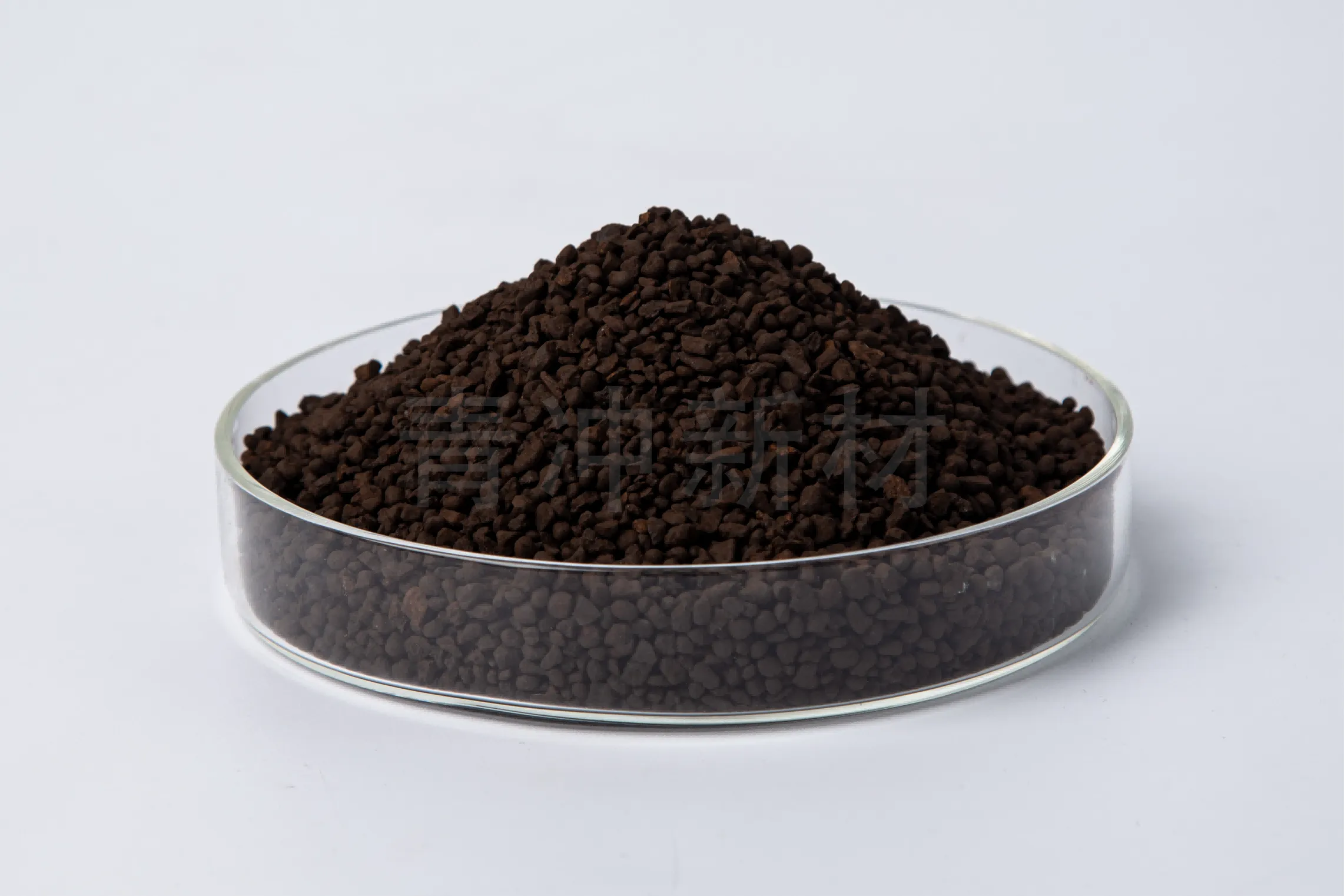
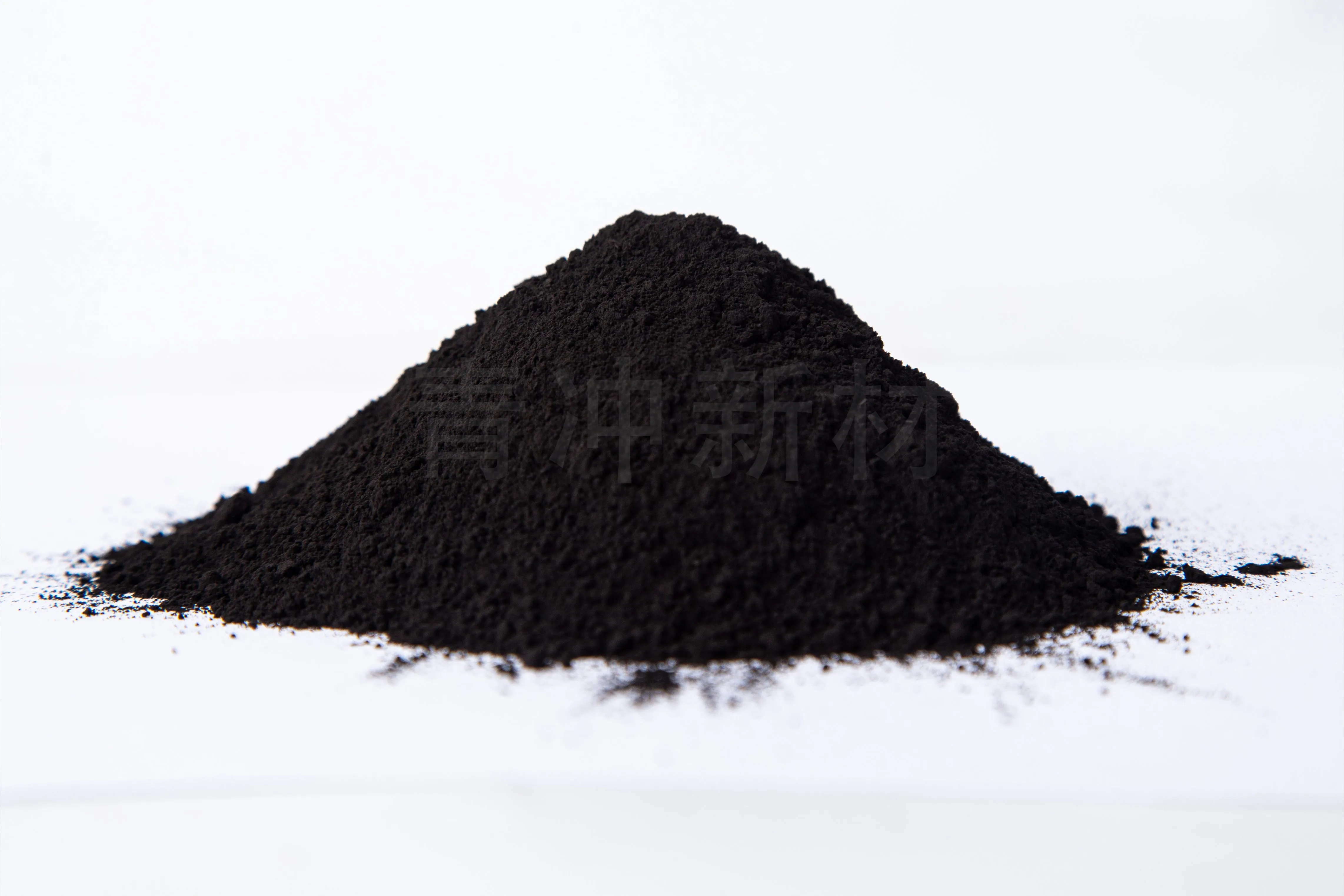
The word “electrolytic” describes a production route for manganese dioxide. It does not, by itself, describe how a powder will disperse into a ceramic mixture or how a fired piece will look. Chemical identity is only one part of the material description a ceramic laboratory may need. Depending on the formulation, particle characteristics, the amount and identity of other constituents, and the material’s behavior during processing can all affect the observations made in a trial. These are questions to investigate, not specifications established by the keyword. The term “ceramic” in a search likewise indicates intended use rather than a verified grade designation. Treat those two parts of the phrase separately: confirm what manganese dioxide product is being offered, then determine whether its documented characteristics are relevant to the ceramic process under review. QingChong’s R&D, production, and sales operations provide a point of contact for that discussion, but no product-specific technical figures were supplied for this page. A current specification and representative sample are the appropriate basis for comparing the offered material with an existing approved input.
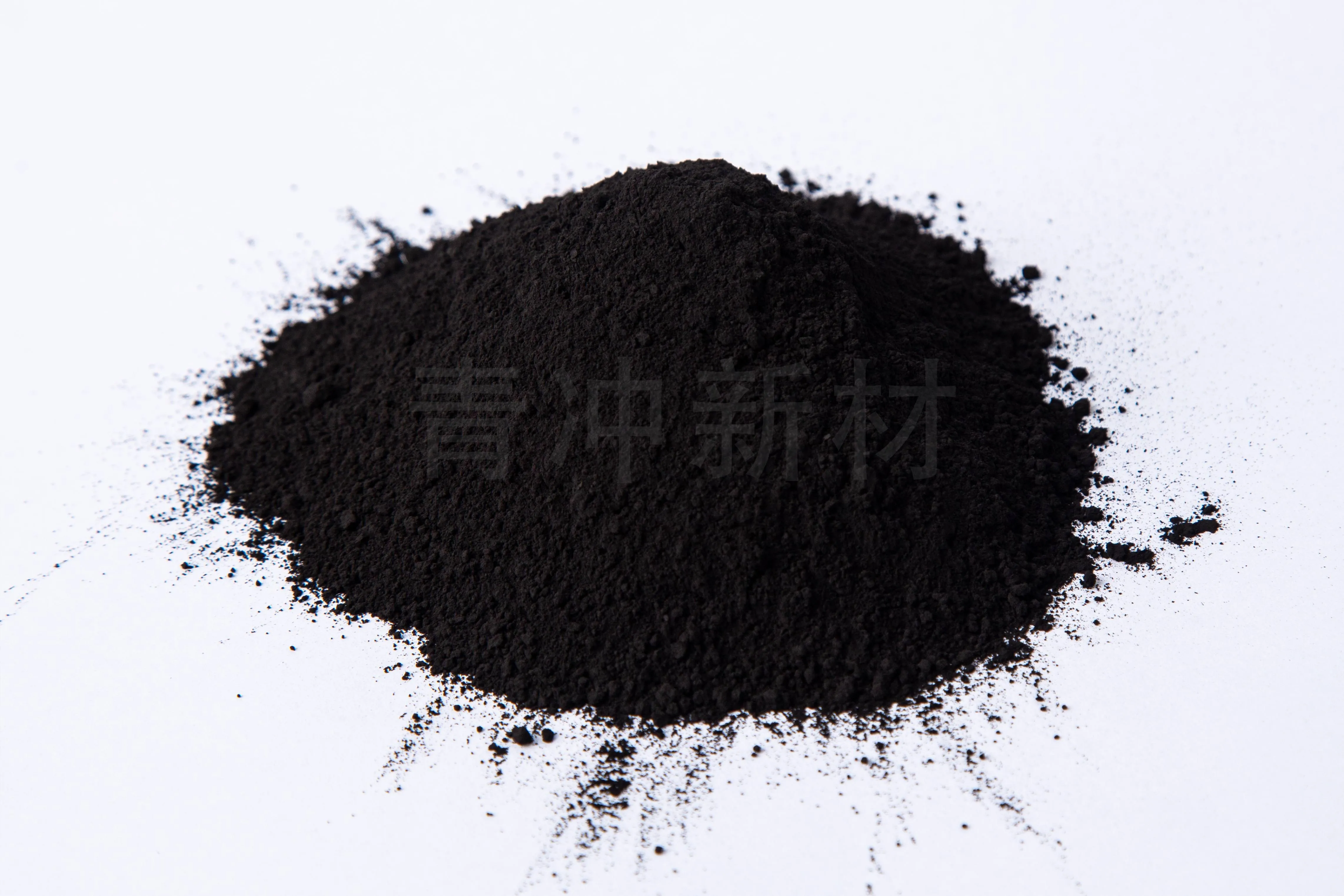
Electrolytic Manganese Dioxide (EMD)

Where Ceramic Process Conditions Change the Assessment

Suitability depends on what the material must do in your operation. A glaze trial and a ceramic body trial may use different addition methods and be judged against different finished-product requirements. Wet mixing can make dispersion and settling behavior important; dry handling may raise different questions about powder handling and blending. Firing atmosphere, temperature profile, and the other ingredients in the recipe can also influence the result, so a conclusion from one formulation should not automatically be carried into another. Start by defining the existing process window and the defect or variation you cannot accept. Then test the proposed material under the same conditions used to qualify other raw materials, with an appropriate comparison sample where one is available. If the application requires particular impurity limits or particle characteristics, request evidence for those limits before treating the material as suitable. QingChong describes a strict quality control system, but no ceramic-use limits or application results have been supplied. The relevant judgment is therefore conditional: suitability follows from documented properties and a successful process trial, not from the product name alone.

Electrolytic Manganese Dioxide (EMD)

Information to Prepare Before Requesting a Quote

A useful enquiry for ceramic electrolytic manganese dioxide starts with the intended application and the criteria for accepting the material. Tell QingChong whether it will enter a glaze, body, or another ceramic formulation, and identify the stage at which it is added. Provide any existing raw-material specification, required test methods, and limits that your purchasing or technical team already uses. If you are seeking an alternative to a current input, describe the properties you need to match without assuming the two materials are interchangeable. State the trial quantity you are considering and your anticipated purchasing volume so the supplier can understand the scope of the enquiry; these figures are your requirements, not a claim about QingChong’s minimum order quantity. Request the current product specification, available sample details, packaging information, and a quotation for the defined requirement. Ask how the quoted material will be identified in subsequent documentation. QingChong has multilingual online channels serving global markets, but availability, commercial terms, and any technical support for a specific enquiry should be confirmed directly. Keep approval of the material separate from approval of its price.

News

Industry updates

Products

Production modules

Why Choose Us

Why Discuss Ceramic Manganese Dioxide with QingChong

QingChong New Materials offers an established manganese-industry context for a ceramic sourcing discussion. The company is based in the Xiangtan Manganese Mine area and reports more than 20 years of industry experience. Its integrated R&D, production, and sales structure gives buyers a clear starting point for questions that span material characteristics and supply requirements. The company also describes a strict quality control system, a relevant consideration when incoming-material consistency matters to a production line. On organizational credentials, QingChong passed ISO9001:2008 quality management system certification in July 2010 and was certified as a National High-tech Enterprise in September 2019. Those are historical facts; buyers who require current certification status or a particular compliance document should request up-to-date evidence. QingChong also reports invention patents obtained in cooperation with local universities, although no patent or product-specific performance claim is made here. Its 14-language website supports access for international buyers. Together, these details explain why the company may be worth contacting, while leaving the final material decision where it belongs: with a current specification, agreed requirements, and a ceramic trial.

FAQ

Common technical questions

Does electrolytic manganese dioxide always have the same particle size as other manganese dioxide materials?

No. The name identifies a production route, not a particle-size specification. Request current particle-size information, if available, and compare it using the test method required by your process.

Can I evaluate this material in a glaze as well as in a ceramic body?

You can discuss either application with the supplier, but suitability has not been established for either one here. Test it in the specific formulation and firing conditions you intend to use.

What should I check if a trial batch shows uneven distribution?

Check the addition point, mixing method, and how the powder enters the recipe. Record the conditions used in the trial, then compare them with your normal process before attributing the result to the raw material.

What should I send if I need to replace an approved manganese dioxide input?

Send the existing material specification and identify which limits and finished-product results must be maintained. Request documentation for the proposed material and qualify a sample before approving a substitution.

Need a solution for your project?

Share your product type, target capacity, and application requirements. Our team can review the details and recommend a practical next step.

Contact Us
Whatsapp
WeChat

CONTACT US

Office Address:21/F,Zhonghan Fortune Building,Ji'an Road, Yuetang District,Xiangtan,Hunan,China

Factory Address: Heling Town, Yuhu District, Xiangtan City, Hunan Province, P.R.China

WhatsApp: 8613786275365

Fax: 86-731-52326088

E-mail: [email protected]