productlist

activated carbon and manganese dioxide: Media Selection Guide

activated carbon and manganese dioxide

A buyer searching for activated carbon and manganese dioxide may be considering two different treatment materials, not a single standardized product. Activated carbon is generally used to adsorb certain dissolved organic substances and reduce taste or odor concerns. Manganese dioxide is associated with oxidation and filtration processes for contaminants such as dissolved iron and manganese. Their roles can be complementary, but performance depends on the water chemistry, the media form and the way a treatment system is operated. QingChong New Materials is a manganese chemical manufacturer with integrated R&D, production and sales operations. The information supplied here does not identify a specific manganese dioxide treatment grade, an activated carbon product or a premixed formulation. For buyers designing or sourcing a treatment system, that distinction matters: a manganese chemical suitable for one industrial use should not be assumed suitable for contact with drinking water. Water-treatment equipment manufacturers, engineering contractors and industrial water teams can use this page to frame a technical inquiry. The next step is to provide the intended application and operating conditions, then confirm the available product grade, documentation and compatibility before specifying either material.

Technical Detail

Configured around process stability, mold life, and long-term uptime.

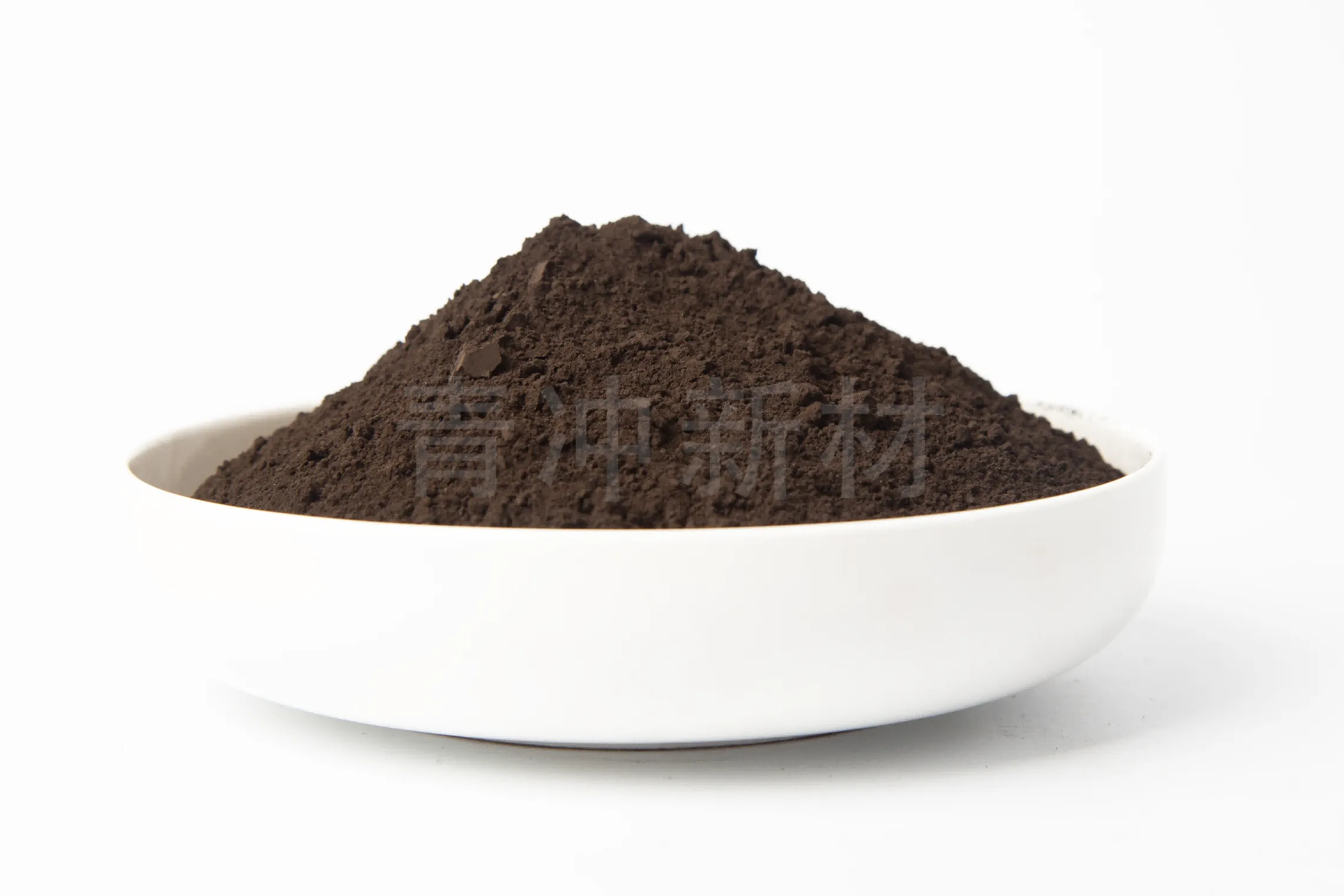
The phrase activated carbon and manganese dioxide often appears in treatment discussions because the two materials address different parts of a water-quality problem. It should not, however, be treated as the name of a verified QingChong blend. QingChong is identified as a manufacturer of manganese dioxide and manganese compounds, with R&D, production and sales operations based in the Xiangtan Manganese Mine region. The supplied information does not specify an activated carbon offering or a manganese dioxide grade intended for filtration. Buyers should therefore ask for product-specific documentation before writing either material into a bill of materials. A useful purchasing distinction is between sourcing a manganese dioxide material and sourcing a complete media package. The latter may require activated carbon from another supplier, equipment design and separate suitability checks; none of those items is established by the available product information. QingChong’s stated 20-plus years of industry experience and strict quality control system provide context for a supplier discussion, but they do not substitute for a grade specification. Its ISO9001:2008 quality management certification, passed in July 2010, concerns the management system; it is not evidence that any particular material meets potable-water requirements. Ask which manganese dioxide forms are available and request the relevant specification and test documents. This keeps a treatment proposal tied to identifiable materials rather than an assumed combination or an unsupported performance claim.

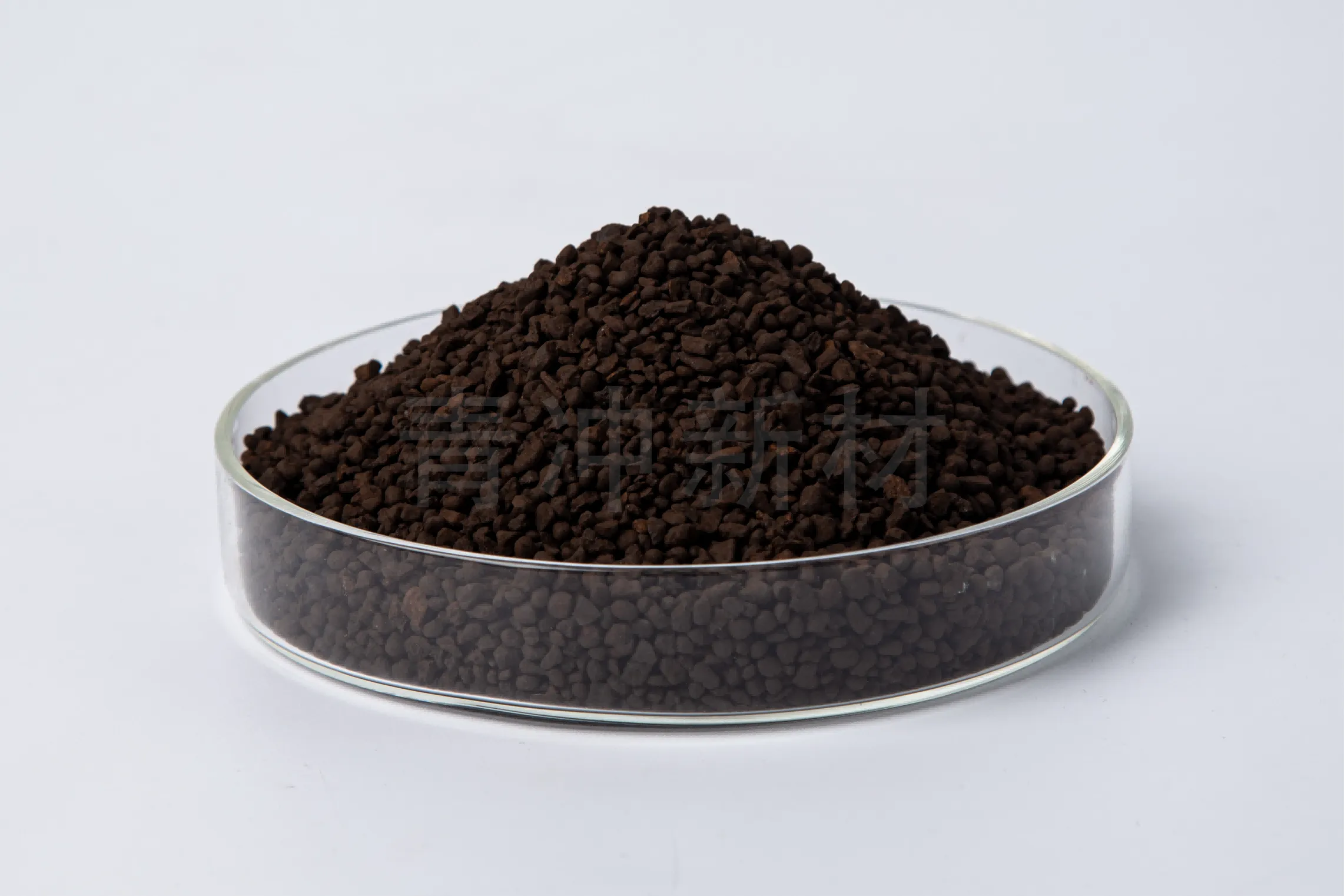
Activated Manganese Dioxide (ACMD)

How the Two Materials Perform Different Jobs

Activated carbon works primarily through adsorption: substances in a fluid contact its porous surface and some are retained there. Manganese dioxide can participate in oxidation-related treatment and may serve as a component of certain filtration media. These mechanisms are different. A system intended to address dissolved metals and an organic taste issue might consider both, but the presence of both problems does not establish that they should be mixed in one vessel. Contact time, pretreatment and media arrangement can affect what happens in practice. Material identity also matters. The manganese dioxide named in an inquiry could refer to a chemical raw material rather than a filter-ready medium with an established particle form. QingChong’s supplied profile identifies manganese dioxide and compound manufacturing but gives no particle-size distribution, form or filtration performance for a specific product. Likewise, it provides no activated carbon specification. Treat the two names as separate material categories until actual grades are identified. That distinction helps engineering and procurement teams read technical documents correctly: a chemical composition alone does not describe how a material will behave inside a working filter. Any proposed treatment mechanism should be checked against the supplied grade documents and the process design.
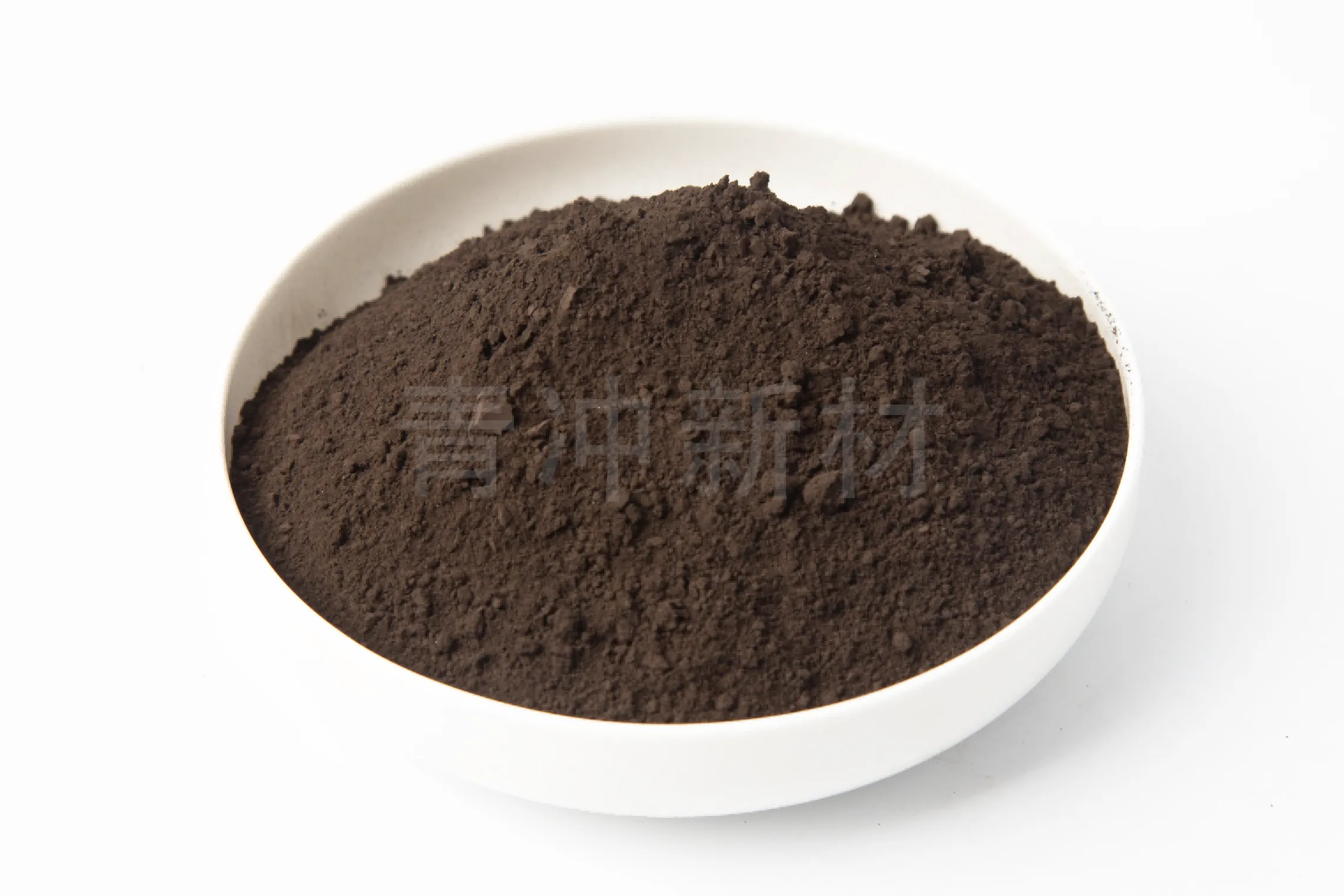
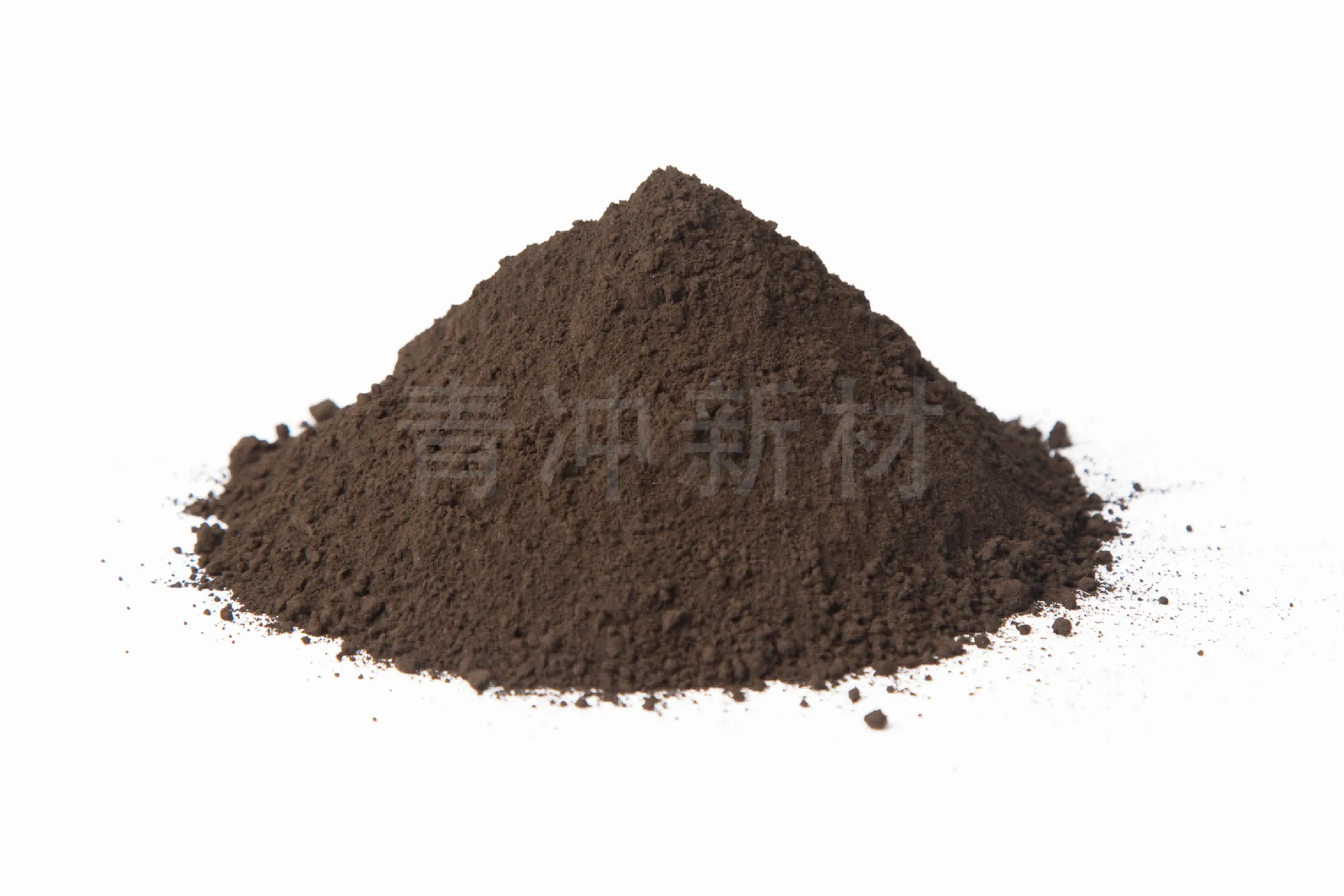
Activated Manganese Dioxide (ACMD)

Where a Combined Treatment Approach Needs Testing

The case for using activated carbon alongside manganese dioxide starts with the incoming water, not with a generic media list. For a water-treatment project, identify the contaminants of concern and measure their incoming concentrations. Record pH, flow, temperature and any upstream treatment that could change the water before it reaches the media. If the goal includes dissolved iron or manganese removal, the conditions that support oxidation and solids capture need to be assessed. If organics, taste or odor are the concern, an activated carbon assessment addresses a different question. In either case, other constituents in the water may affect results. A combined approach should be evaluated against the required treated-water quality and the equipment’s operating limits. It may be inappropriate to assume that placing two materials together will resolve both issues under the same operating conditions. QingChong’s supplied information does not provide a certified water-treatment grade, operating range or removal data for its manganese dioxide. Those omissions are decision points, not minor details. Buyers should request grade-specific evidence and, where performance is uncertain, arrange testing under representative conditions before approving a design or making a use claim.

Activated Manganese Dioxide (ACMD)

What to Confirm Before Requesting a Quote

Send QingChong a concise description of the intended use of the manganese dioxide, including whether it would contact process water, drinking water or another fluid. State whether you need a chemical raw material or a media form suitable for a particular piece of equipment. Attach the available water analysis and identify the treatment target, expected flow and any design constraints. This gives the technical team a basis for discussing a relevant grade rather than guessing from the phrase activated carbon and manganese dioxide. Request the product specification, available test documentation, physical form and any application-specific compliance information needed in your market. If activated carbon is also part of the project, define its requirements separately and confirm its supplier; the provided QingChong profile does not establish that carbon is supplied by the company. For a planned mixed-media or sequential system, share the proposed vessel arrangement and operating method so material compatibility can be reviewed. Do not assume that a grade offered for another manganese chemical application is interchangeable with filtration media. Once the grade, intended use and required evidence are aligned, procurement can ask for commercial terms against an identifiable specification.

News

Industry updates

Products

Production modules

Why Choose Us

Why Discuss Manganese Dioxide Sourcing with QingChong

QingChong New Materials brings a defined manganese-chemical focus to a discussion that can otherwise become blurred by the broad phrase activated carbon and manganese dioxide. The company describes itself as a Chinese manufacturer integrating R&D, production and sales, with more than 20 years of industry experience. Its location in the Xiangtan Manganese Mine region connects its operations to an established manganese production base. For a buyer, those details offer a starting point for questions about material identity, production control and the documents available for a particular grade. The company states that it uses a strict quality control system and reports ISO9001:2008 quality management system certification passed in July 2010. It was certified as a National High-tech Enterprise in September 2019 and reports invention patents obtained in cooperation with local universities. These credentials speak to organizational capability; they do not verify performance or regulatory approval for an unspecified water-treatment product. QingChong also presents information in 14 languages and identifies global export capability, which may help international teams begin a technical exchange. The sound reason to engage is the opportunity to verify a manganese dioxide option with a specialist manufacturer, while keeping activated carbon sourcing and application approval as separate questions.

FAQ

Common technical questions

Is activated carbon and manganese dioxide one premixed QingChong product?

No premixed product is identified in the supplied information. QingChong is described as a manganese chemical manufacturer; ask for a specific manganese dioxide grade and confirm activated carbon sourcing separately.

Can I use the manganese dioxide in a drinking-water filter?

Do not assume so. The supplied information does not identify a potable-water grade or application-specific approval. Provide the intended use and jurisdiction, then request documentation for the exact grade before considering it for that application.

How does the choice of activated carbon compare with the choice of manganese dioxide?

They are chosen against different treatment targets. Activated carbon is typically assessed for adsorption-related tasks, while manganese dioxide is assessed for its role in an oxidation or filtration process. Compare grade-specific documents and representative test results rather than treating the two as interchangeable media.

What should operators check when performance changes after startup?

Review incoming water quality, flow and any upstream process changes first. Inspect the system against the equipment supplier’s operating instructions; do not assume that replacing one material will correct a problem without identifying its cause.

Need a solution for your project?

Share your product type, target capacity, and application requirements. Our team can review the details and recommend a practical next step.

Contact Us
Whatsapp
WeChat

CONTACT US

Office Address:21/F,Zhonghan Fortune Building,Ji'an Road, Yuetang District,Xiangtan,Hunan,China

Factory Address: Heling Town, Yuhu District, Xiangtan City, Hunan Province, P.R.China

WhatsApp: 8613786275365

Fax: 86-731-52326088

E-mail: [email protected]