productlist

EMD Technical Grade: Confirm the Right Specification

EMD technical grade

An inquiry for EMD technical grade can stall at one deceptively simple question: what does “technical grade” mean for the intended process? EMD stands for electrolytic manganese dioxide, but the grade label alone does not establish a universal composition, particle profile, or performance threshold. Two materials described with the same label may be assessed against different test methods or acceptance limits. For a buyer, the useful starting point is the application and its measurable requirements, not the grade name in isolation. Identify whether the material will be processed as a powder, incorporated into a formulation, or evaluated for an electrochemical use. Then note the properties that could affect that use, the required reporting units, and any limits imposed by downstream equipment. QingChong New Materials is a Chinese manganese chemical manufacturer with integrated R&D, production, and sales operations. No product-specific EMD technical grade data sheet has been supplied for this page, so the figures needed to approve a material must be requested and checked against the buyer’s own specification. The guidance below sets out what to ask and how to evaluate the answer.

Technical Detail

Configured around process stability, mold life, and long-term uptime.

The distinction between EMD technical grade and a grade intended for a tightly specified end use should be made from documented requirements, not from the wording on a product label. “Technical grade” does not, by itself, disclose a guaranteed purity level, particle-size distribution, moisture limit, or electrochemical performance. Nor does it establish that one supplier’s material can replace another’s. A meaningful comparison places the buyer’s acceptance limits beside a supplier’s stated specification and checks whether both sides use comparable analytical methods. If test conditions differ, apparently similar numbers may not be directly comparable. This is particularly important when purchasing teams receive a general product description while process engineers are working from a detailed incoming-material standard. QingChong New Materials brings more than 20 years of manganese-industry experience and integrates R&D, production, and sales. The company describes a strict quality control system and operates from the Xiangtan Manganese Mine area, an established manganese production base. Those are useful grounds for a technical discussion, but they are not substitutes for an EMD technical grade specification. Before treating a proposed material as equivalent to an existing one, request the relevant data sheet and agree which results constitute pass or fail. If batch-level evidence is needed, state that requirement explicitly. This approach keeps the comparison tied to verifiable material properties while leaving room for the supplier to clarify what its actual EMD offering, if available, covers.

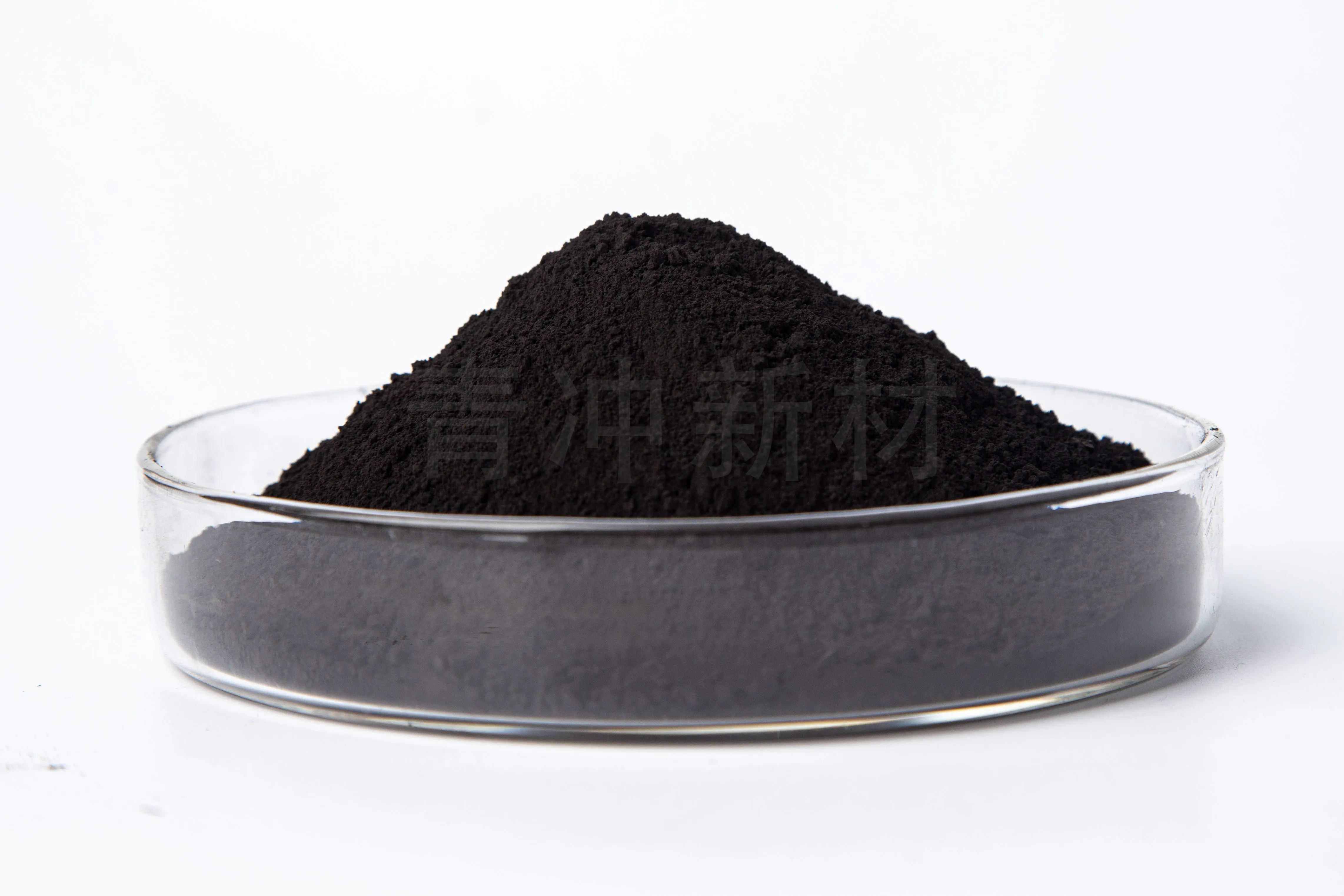
Electrolytic Manganese Dioxide (EMD)

What EMD Test Results Actually Describe

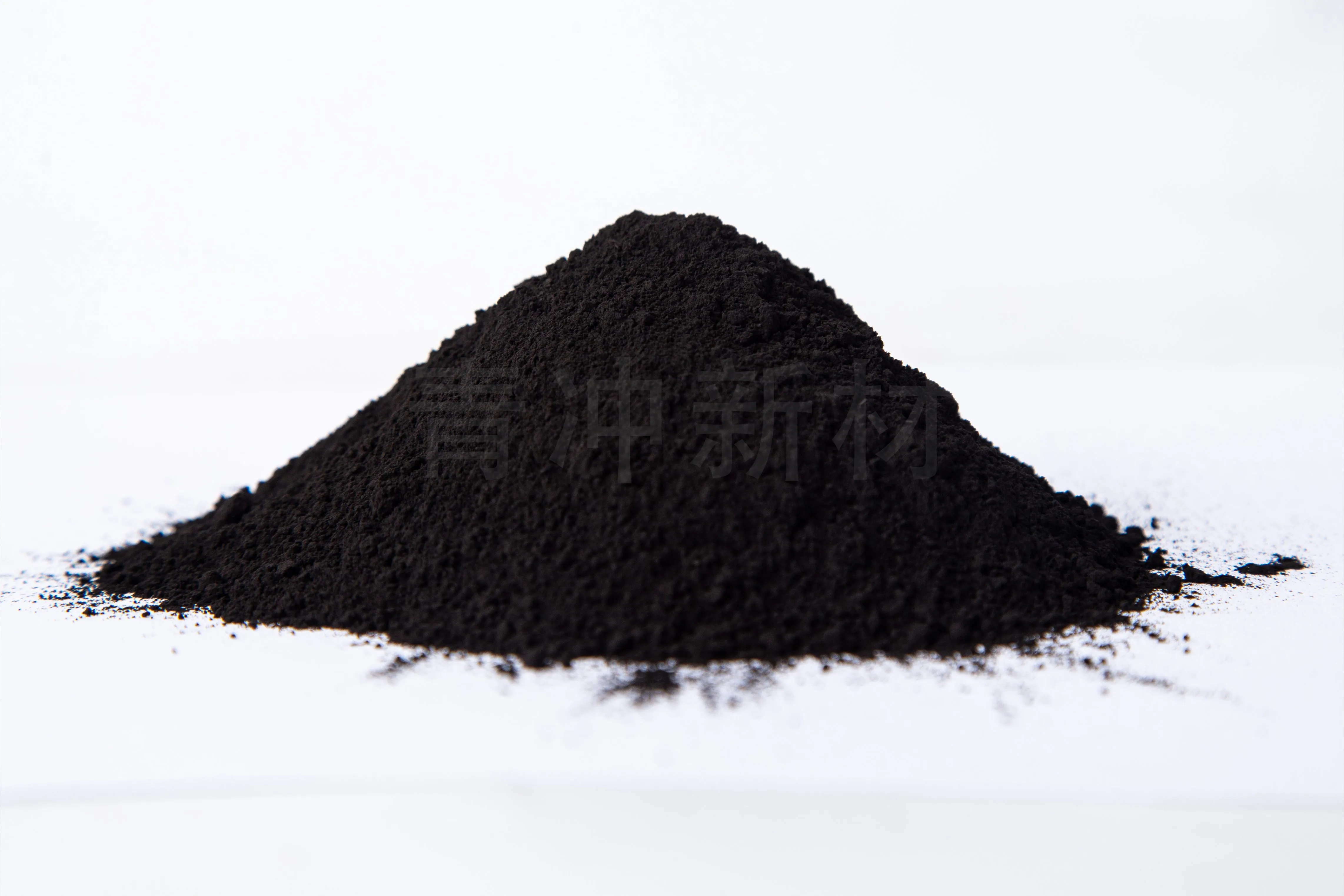
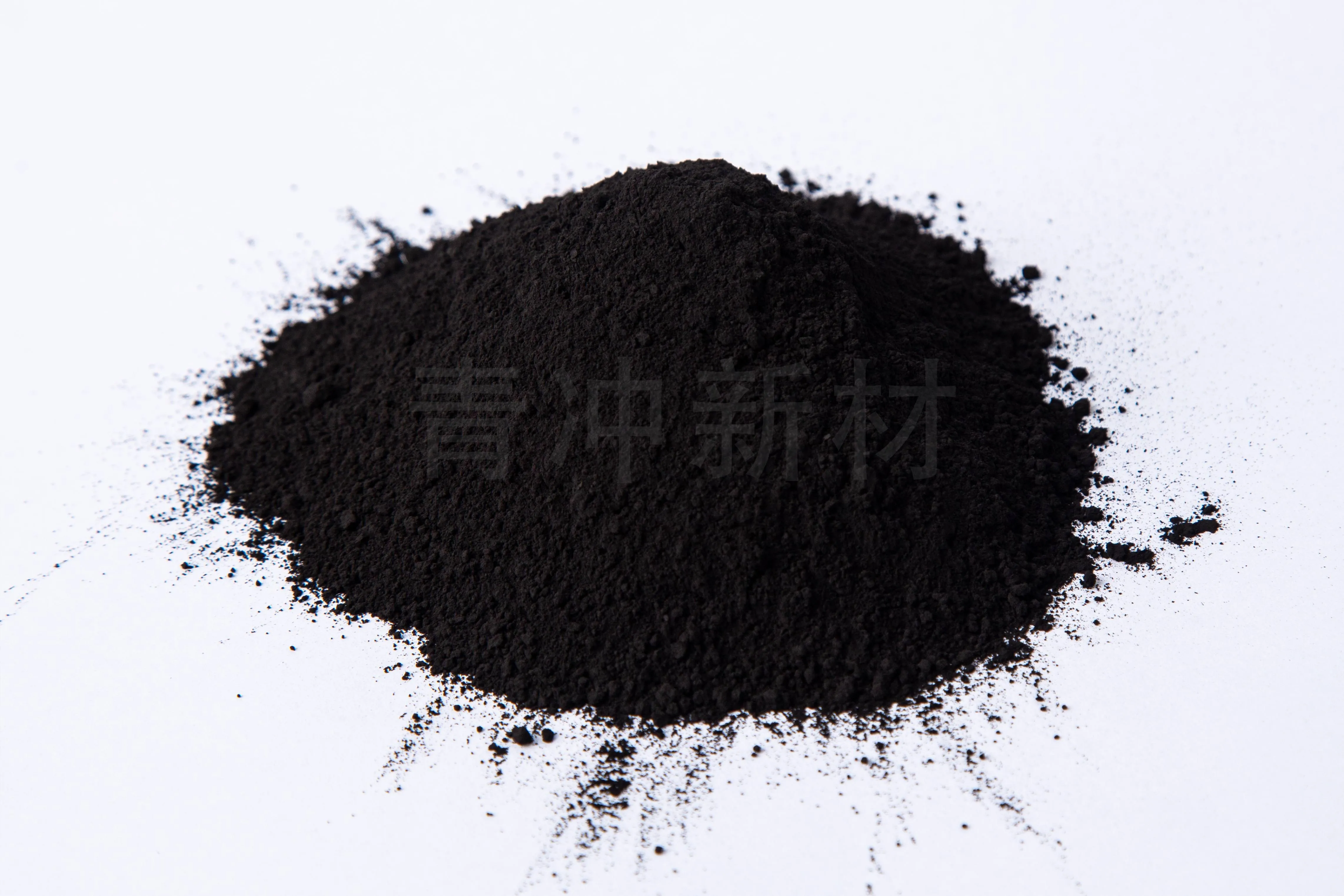
EMD is manganese dioxide produced by an electrolytic process. Its name describes the production route, while a useful specification describes the material delivered. A reported manganese dioxide content is a composition measure; it does not describe powder flow or how the material behaves in a formulation. Moisture can affect weighing, storage, and downstream processing. Particle-size information describes the distribution of particles rather than a single universal size, and the chosen measurement method matters when comparing reports. Depending on the intended use, buyers may also need information on relevant impurities, bulk density, or performance tests. These are examples of properties to discuss, not stated specifications for a QingChong product. Units, sample preparation, and test methods belong beside each result. A value reported on a dry basis may differ from one reported on the material as received. Likewise, a particle-size figure without the distribution metric or measurement method is difficult to interpret. QingChong’s integrated R&D and production operations provide a context for technical discussions, but no EMD-specific test results were provided here. Ask for a documented specification before assigning numerical limits to this grade.
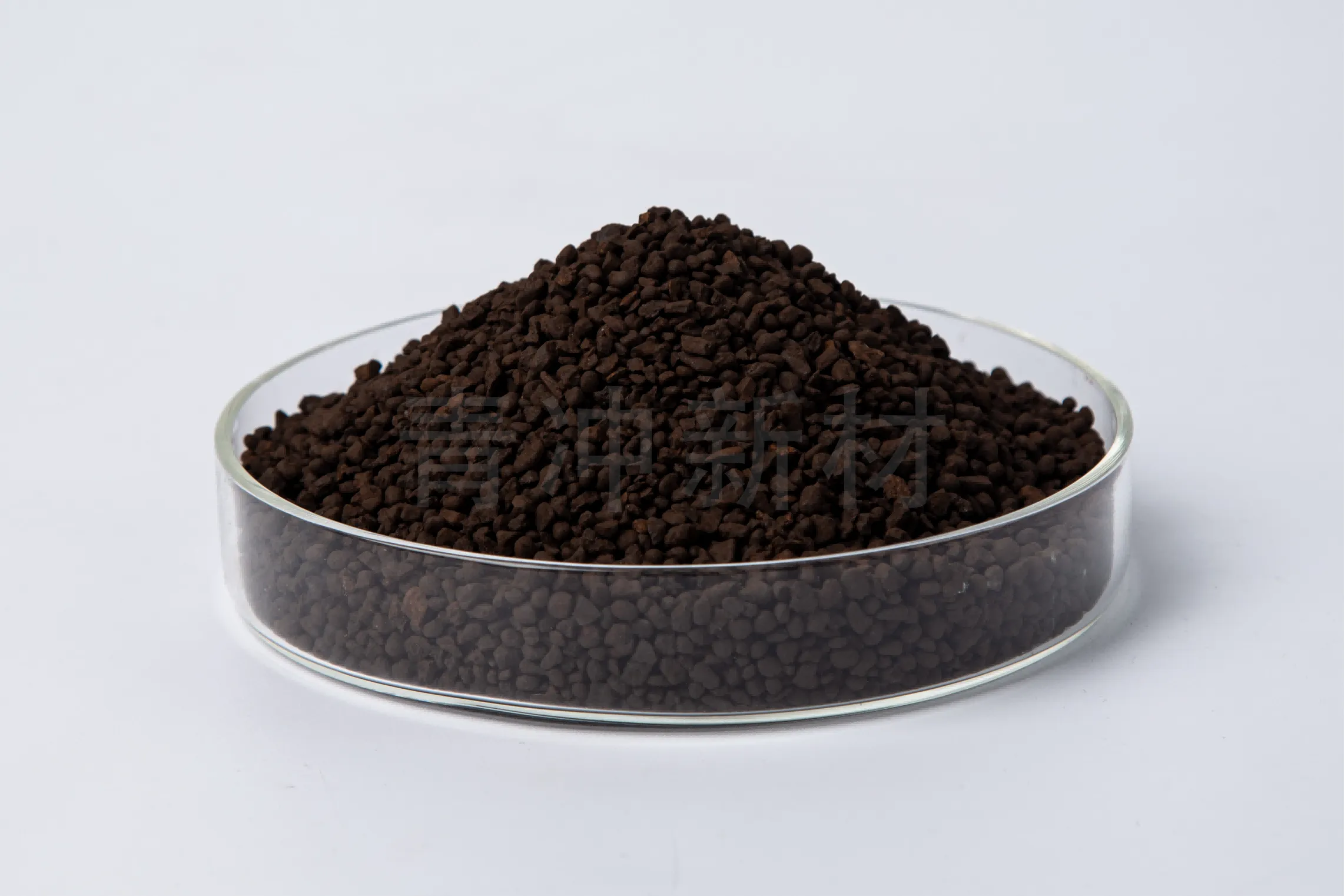
Electrolytic Manganese Dioxide (EMD)

Match Material Data to the Process That Will Use It

Suitability depends on what the process is sensitive to. In a powder-handling step, particle distribution and moisture may affect feeding consistency; a formulation may instead be limited by impurities or changes in the solids balance. Electrochemical applications can require their own performance and impurity criteria. None of these uses should be approved solely because a material is called EMD technical grade. Build the assessment around the failure modes of the actual process: What happens if the powder is finer than expected? Which contaminant would interfere with a reaction or final product? Does incoming material need to meet an as-received limit, or will it be dried before use? The answers establish which results are essential and which are only informative. Compare those requirements with the supplier’s stated limits using the same units and testing basis. If a reported result is close to an acceptance boundary, clarify the method and sampling approach before making an equivalence decision. QingChong’s stated strict quality control system is relevant to this review, but it cannot establish application fitness without an EMD-specific specification and, where appropriate, testing under the buyer’s own process conditions.

Electrolytic Manganese Dioxide (EMD)

Information to Include in an EMD Grade Inquiry

Send QingChong New Materials the intended application and the existing incoming-material specification, if one is available. Mark each requirement as mandatory or preferred. Include the required composition limits, controlled impurities, moisture basis, particle-size metric and measurement method, plus any density or application-specific tests your process uses. State the units and test methods for every numerical criterion; otherwise, a supplier may return figures that cannot be compared with your current material. If replacing an established source, provide the relevant specification for the incumbent material rather than relying on its grade name. Ask which proposed EMD material, if any, matches the requirements and request its current data sheet for review. Where purchasing approval requires batch-level evidence, ask whether a certificate of analysis can be provided and which tests it reports. Confirm packaging or handling constraints if they affect your equipment, without assuming a particular format is offered. QingChong integrates R&D, production, and sales and has export experience, so the inquiry can address both technical fit and the documentation needed by an overseas buyer. Final approval should follow a review of the actual supplied specifications and any application testing your process requires.

News

Industry updates

Products

Production modules

Why Choose Us

Why Discuss EMD Specifications with QingChong

For an EMD technical grade inquiry, a useful supplier conversation must connect laboratory results with manufacturing and purchasing requirements. QingChong New Materials combines R&D, production, and sales within a manganese-chemical business, which provides a basis for discussing material requirements across those functions. The company reports a strict quality control system and more than 20 years of industry experience. These capabilities are relevant when a buyer needs clear specification language and a consistent basis for comparing test results, although they do not establish an EMD grade’s individual limits. QingChong also has a global-market focus and a multilingual website covering 14 languages, useful context for buyers coordinating technical questions across borders. Its documented credentials include passing ISO9001:2008 quality management system certification in July 2010 and receiving National High-tech Enterprise certification in September 2019. Those dated milestones should not be read as proof of a currently valid certificate or as product-specific EMD approval; request current documents where qualification rules require them. QingChong has also obtained invention patents in cooperation with local universities. For this inquiry, the practical reason to engage is the opportunity to compare a buyer’s stated requirements with verifiable, current material information rather than infer performance from a broad grade label.

FAQ

Common technical questions

Is EMD technical grade the same as battery grade?

Do not assume so. Grade names do not provide a universal equivalence rule. Compare the actual limits, test methods, and any application-specific performance requirements before treating two materials as interchangeable.

Can I use EMD technical grade in an electrochemical application?

That depends on the application’s impurity and performance requirements and on the proposed material’s documented results. Obtain the current specification and conduct the qualification tests required by your process; the grade name alone is insufficient.

Should I compare moisture results on a dry basis or as received?

Use the basis specified by your incoming inspection procedure, and make sure the supplier reports on the same basis. If the bases differ, clarify the method before comparing the numbers.

What should I do if a particle-size result differs from our current supplier’s report?

First check whether both reports use the same size metric, sample preparation, and measurement method. Then assess the difference against your process limits rather than assuming either result indicates an unsuitable material.

Need a solution for your project?

Share your product type, target capacity, and application requirements. Our team can review the details and recommend a practical next step.

Contact Us
Whatsapp
WeChat

CONTACT US

Office Address:21/F,Zhonghan Fortune Building,Ji'an Road, Yuetang District,Xiangtan,Hunan,China

Factory Address: Heling Town, Yuhu District, Xiangtan City, Hunan Province, P.R.China

WhatsApp: 8613786275365

Fax: 86-731-52326088

E-mail: [email protected]