productlist

EMD for AA Cell Production: Application Guidance

EMD for AA cell

EMD for AA cell production is selected for its role as the cathode material in alkaline and other manganese dioxide-based battery systems. For battery manufacturers, the decision is not simply whether a manganese dioxide material is available; the material must match the cell chemistry, electrode process, discharge profile, and quality-control requirements of the finished AA battery. QingChong New Materials is a Chinese high-tech manganese chemical manufacturer integrating research and development, production, and sales. Its location in Xiangtan Manganese Mine, known as the Manganese Capital of China, provides a strong connection to China’s manganese industry. This page focuses on practical application questions: where EMD may fit, which operating conditions should be reviewed, and what information buyers should prepare before requesting technical support. Because no product-specific grade, specification sheet, or test data has been provided, final suitability should be confirmed against the manufacturer’s current technical documentation and the buyer’s electrode formulation. That step helps reduce risks such as unstable processing, inconsistent electrochemical performance, or an unsuitable material choice for the intended AA cell design.

Technical Detail

Configured around process stability, mold life, and long-term uptime.

QingChong New Materials supplies manganese chemical solutions for global markets and has more than 20 years of industry experience. The company combines R&D, production, and sales rather than treating material supply as a standalone trading activity. For buyers evaluating EMD for AA cell manufacturing, this integrated structure can support technical communication from initial application discussion through product documentation and quality review. QingChong operates in Xiangtan, one of China’s important manganese production bases, and follows a quality-driven approach expressed through its principle that quality is the foundation of an enterprise’s survival. The company passed ISO9001:2008 Quality Management System Certification in July 2010 and was recognized as a National High-tech Enterprise in September 2019. It is also listed on the Hunan Equity Exchange Center under equity code 600362HN. Multiple invention patents were obtained in cooperation with local universities. These credentials describe the manufacturer’s operating and development background, but they do not replace grade-specific battery data. Buyers should request the applicable EMD specification, test methods, lot information, and compatibility guidance before approving the material for an AA cell line.

Electrolytic Manganese Dioxide (EMD)

How EMD Fits an AA Cell Cathode

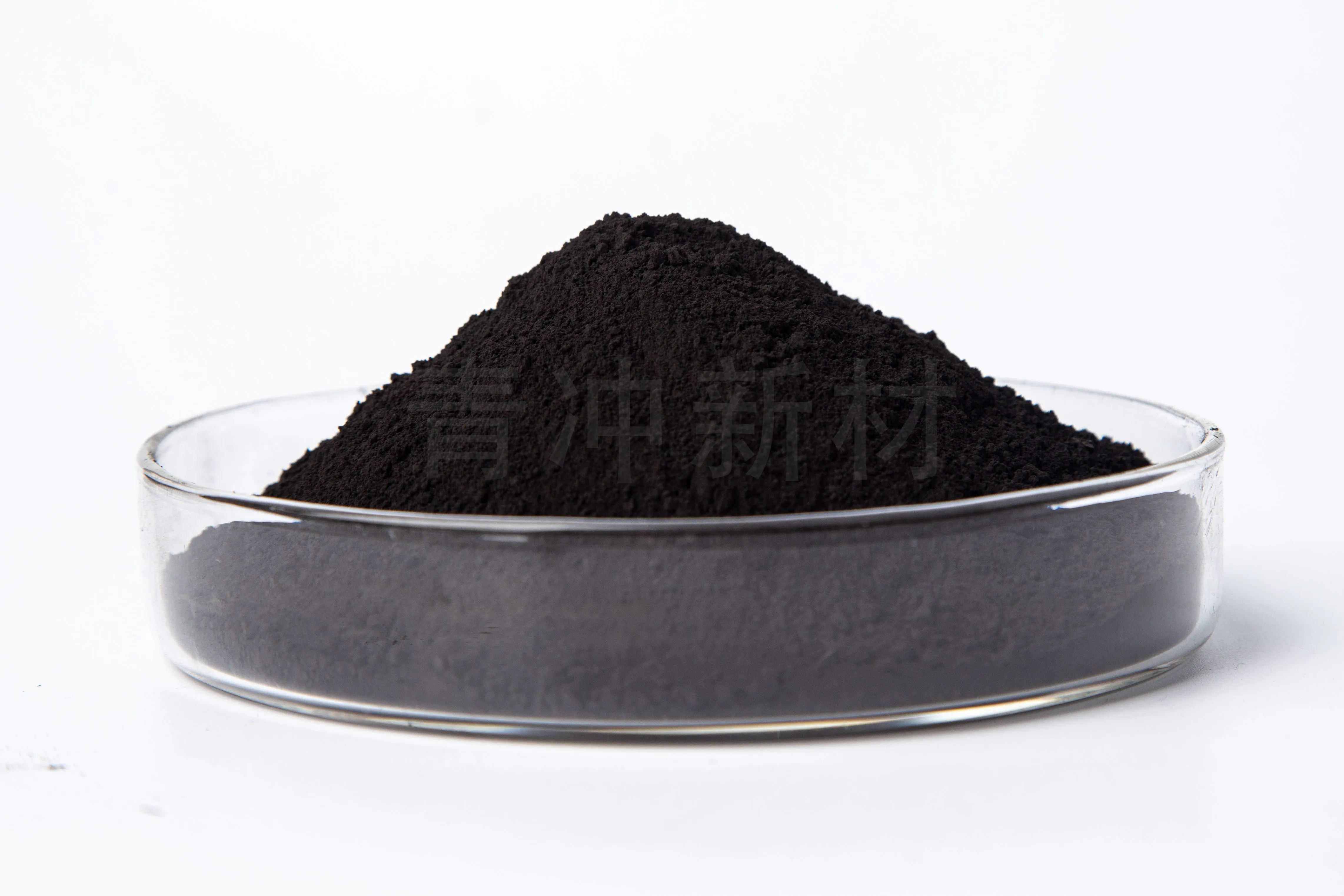
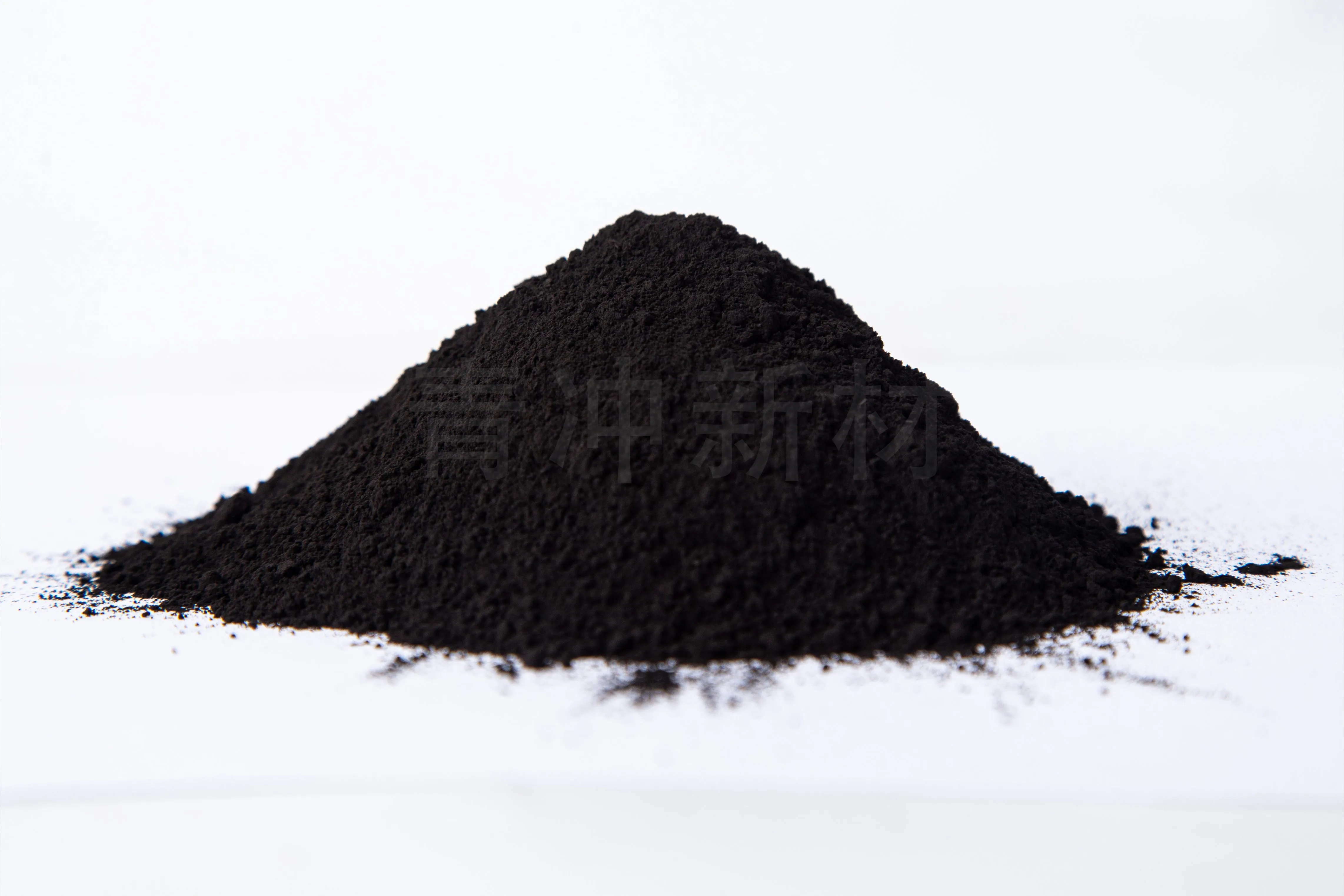
In a typical manganese dioxide-based AA battery, EMD serves as the active cathode material and participates in the electrochemical reaction during discharge. Its suitability is therefore connected to more than the material name. The battery maker must consider how the manganese dioxide behaves within the cathode mix, how it interacts with conductive additives and electrolyte, and whether the prepared mixture can be processed consistently. Particle characteristics, moisture condition, purity profile, and electrochemical behavior are commonly reviewed during qualification, but no QingChong grade-specific values have been provided here. EMD should also be distinguished from manganese dioxide materials intended for non-battery uses; a material can be chemically related while being unsuitable for a particular cell process. The correct technical discussion begins with the intended AA chemistry, cathode formulation, mixing method, compaction or filling process, and target discharge requirements. QingChong’s R&D and production background can be included in that discussion, while the final decision should rely on current product documentation and application testing rather than on the generic term EMD alone.
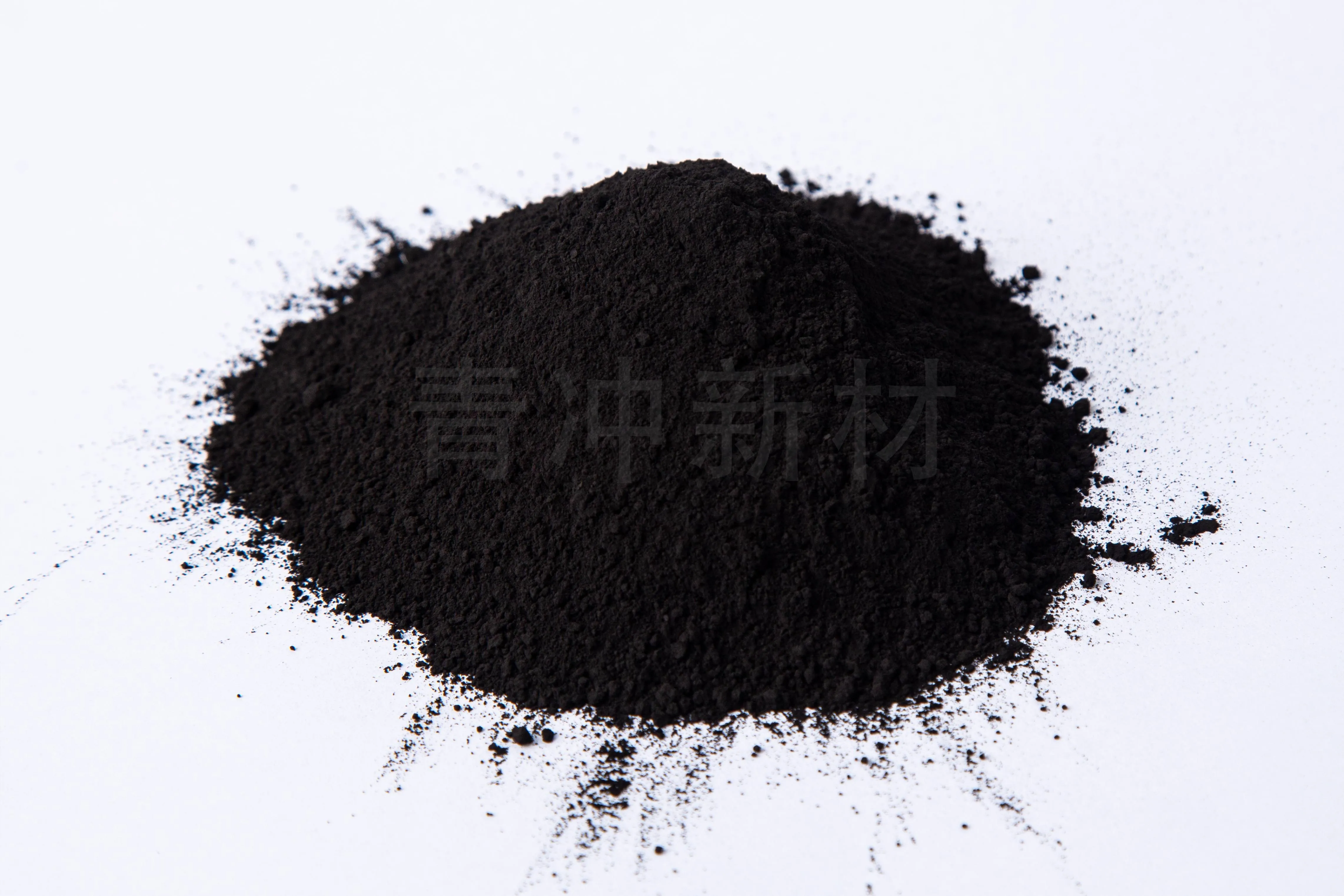
Electrolytic Manganese Dioxide (EMD)

Check Cell Conditions Before Approval

EMD for AA cell production is most likely to be appropriate when the proposed material matches the battery chemistry and the manufacturer’s existing cathode process. Review the full operating environment: storage humidity, material handling conditions, mixing temperature, electrolyte system, cathode density, and the discharge profile expected from the finished cell. These conditions can affect process stability and electrochemical results. The same EMD may not deliver the same outcome if a buyer changes the binder or conductive system, uses a different compaction method, or targets a different shelf-life and discharge requirement. An application review should also distinguish laboratory screening from continuous production. A small-batch result does not by itself confirm stable performance across production lots. Wrong selection can lead to difficult mixing, variation in cathode loading, lower usable capacity, poor discharge consistency, or additional qualification work. Since no product-specific limits or performance figures are available, buyers should ask QingChong to assess the intended formulation and operating conditions against the relevant grade documentation before placing the material into routine production.

Electrolytic Manganese Dioxide (EMD)

Prepare a Practical EMD Qualification Request

A useful inquiry for EMD for AA cell production should describe the application clearly enough for a technical review. Include the AA cell chemistry, cathode formulation, production scale, mixing and forming method, electrolyte type, target discharge conditions, packaging or storage constraints, and the tests used for incoming material approval. State whether the request concerns laboratory samples, pilot qualification, or regular manufacturing so that the discussion remains focused. Ask for the current technical data sheet, certificate of analysis format, recommended storage and handling conditions, available quality records, and any application notes that apply to battery-grade EMD. Do not assume that a general manganese dioxide specification answers battery-performance questions. QingChong can then determine which information is available for the relevant material and identify any gaps requiring customer-side testing. Before approval, compare agreed test items with the buyer’s internal acceptance criteria and retain representative sample records. This creates a traceable basis for deciding whether the material is suitable for the intended AA cell process.

News

Industry updates

Products

Production modules

Why Choose Us

A Manganese Manufacturer Built for Technical Qualification

QingChong New Materials brings together several factors relevant to an international EMD inquiry. The company has more than 20 years of manganese industry experience and operates from Xiangtan, a major Chinese manganese production base. Its R&D, production, and sales functions are integrated, which gives buyers a single manufacturer contact for discussing application requirements, documentation, and quality communication. A strict quality-control approach is supported by ISO9001:2008 certification passed in July 2010. QingChong was recognized as a National High-tech Enterprise in 2019 and has developed multiple invention patents in cooperation with local universities, providing a documented basis for its technology-oriented positioning. The company also serves global markets through a multilingual website available in 14 languages. These points do not establish that every EMD grade fits every AA cell formulation; battery qualification still depends on grade-specific evidence and customer testing. They do, however, give procurement and technical teams a clear starting point for a structured material review with a manganese chemical manufacturer.

FAQ

Common technical questions

Is EMD automatically suitable for every AA battery formulation?

No. AA cells can use different formulations and process conditions. Confirm the intended chemistry, cathode mix, electrolyte, forming method, and discharge requirements against the specific EMD grade documentation and qualification results.

What information should be shared when requesting EMD for AA cell production?

Share the cell chemistry, cathode recipe, production stage, mixing and compaction method, target discharge profile, storage conditions, and incoming inspection criteria. These details help the supplier assess application fit more accurately.

How should EMD be handled before it enters the cathode process?

Follow the storage, packaging, moisture-control, and handling instructions provided for the selected grade. Do not set internal drying or conditioning procedures without checking how they may affect the material and the cathode formulation.

What can happen if a non-matching manganese dioxide grade is selected?

Possible problems include unstable mixing, inconsistent cathode loading, variable discharge behavior, lower usable capacity, or extended qualification time. The actual risk depends on the material and the battery process, so testing is required.

Can QingChong confirm EMD suitability from the keyword or product name alone?

No. A reliable assessment requires the relevant product specification and the buyer’s process information. QingChong’s technical and sales teams can use those details to identify the appropriate documentation and next qualification steps.

Need a solution for your project?

Share your product type, target capacity, and application requirements. Our team can review the details and recommend a practical next step.

Contact Us
Whatsapp
WeChat

CONTACT US

Office Address:21/F,Zhonghan Fortune Building,Ji'an Road, Yuetang District,Xiangtan,Hunan,China

Factory Address: Heling Town, Yuhu District, Xiangtan City, Hunan Province, P.R.China

WhatsApp: 8613786275365

Fax: 86-731-52326088

E-mail: [email protected]