 EN
EN
 CN
CN
 fr
fr es
es ar
ar ru
ru de
de pt
pt tr
tr vi
vi it
it ja
ja ko
ko hi
hi
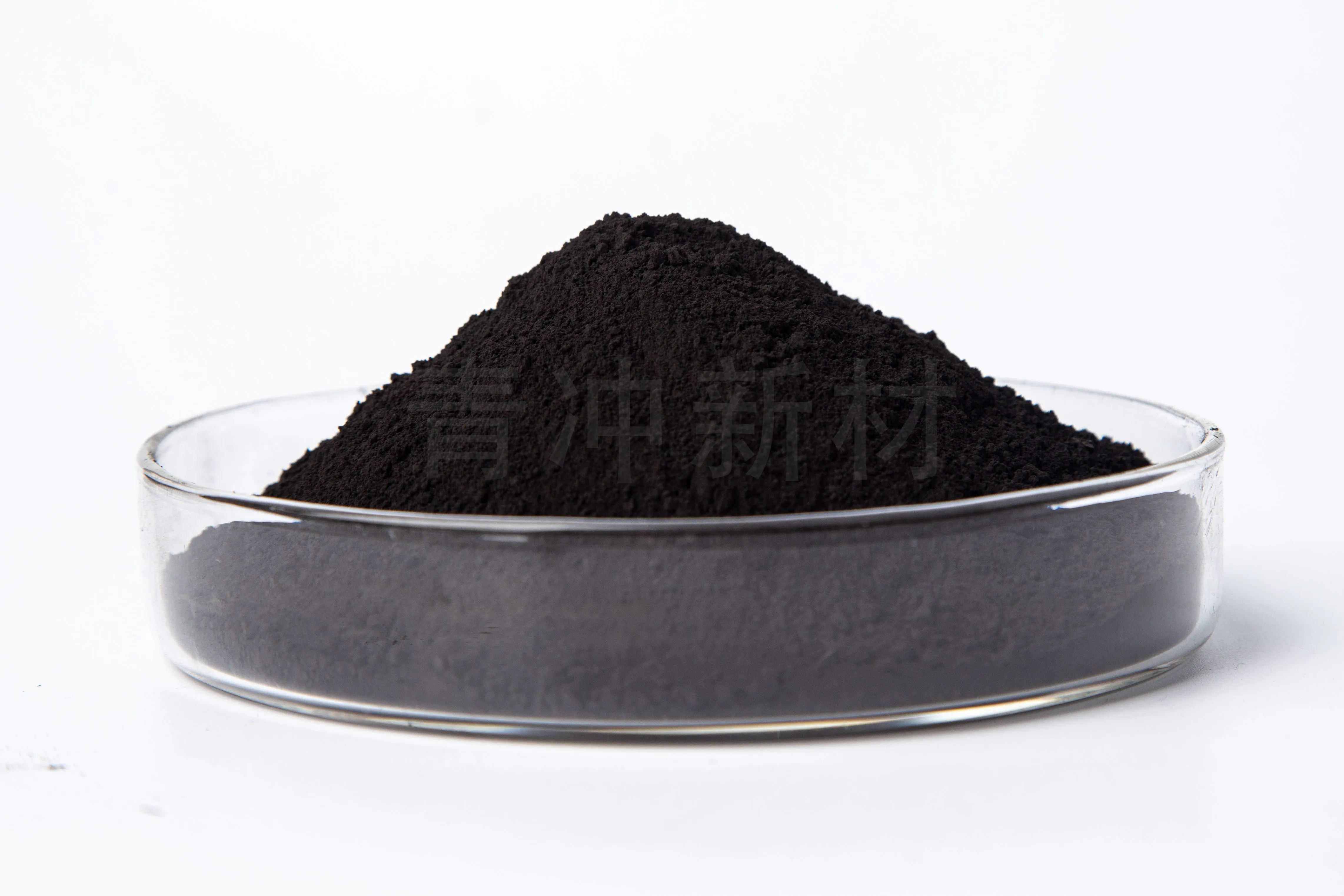
How Electrolysis Produces Battery-Grade Manganese Dioxide
In the conventional EMD process, manganese dioxide is deposited at an anode from a manganese-containing electrolyte under controlled electrolysis conditions. The deposited material is then removed and processed for its intended use. This describes the product category, not a disclosed QingChong production route: no EMD process sheet was provided for the company. EMD matters in a battery because manganese dioxide participates in the cathode reaction during discharge. Its behavior is influenced by more than the chemical name on a purchase order. Crystal structure, surface characteristics and the way the powder packs within a cathode mix can affect how a cell performs. Processing after deposition also matters; washing and powder preparation can change properties a buyer will see during manufacturing. These mechanisms explain why two materials both sold as EMD need not behave identically in the same formulation. QingChong's stated research and production capabilities provide a basis for technical discussion, but buyers should request evidence for any claimed structure or performance characteristic of a proposed grade. Without grade-level documentation, the term EMD establishes the material family, not a guaranteed battery result.